It’s that time of year again with the 2016 ARIA Awards just around the corner. We’d like to extend a huge congratulation to all of this year’s nominees, and give a shout out to the amazing artists we have worked with who’ve made the list. We’d also like to give acknowledge the extraordinary efforts of our Studios 301 engineers who worked on many of those projects.
Below is a list of nominees and their works that our Studios 301 engineers have contributed to;
Senior Mastering Engineer Leon Zervos leads the pack mastering NINE nominated projects:
Guy Sebastian ‘Black & Blue’ – 2 nominations (single master)
Gang Of Youths ‘Let Me Be Clear’ – 2 nominations (EP master)
Olympia ‘Self Talk’ – 1 nomination (album master)
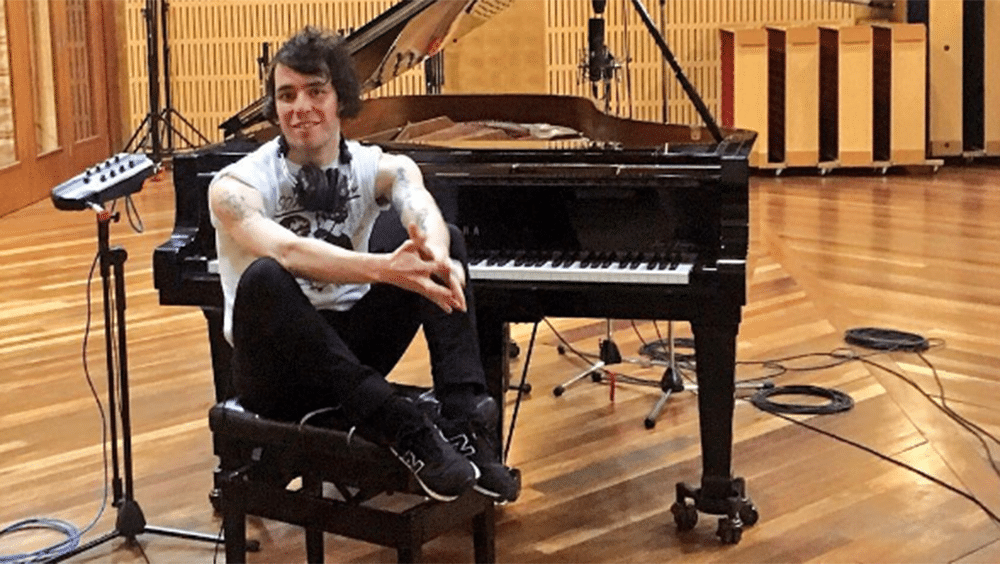
Joe Chindamo & Joe Black ‘The New Goldberg Variations’ – 1 nomination (album master)
Bob Evans ‘Car Boot Sale’ – 1 nomination (album master)
Nominated credits by our Studios 301 producers and recording / mixing engineers:
Illy ‘Papercuts (Feat. Vera Blue)’ (Best Pop Release)
Vocal production – Simon Cohen. Recorded in studio 6.
Illy was also nominated for Best Male Artist & Best Video
Peter Garrett ‘A Version of Now’ (Best Alternative Album)
Assistant Engineer – Dan Frizza
Mastering Engineer – Steve Smart
Urthboy ‘The Past Beats Inside Me Like A Second Heartbeat’ (Best Urban Album)
’Second Heartbeat’ feat. Sampa The Great and Okenyo’
Vocal production – Simon Cohen
Emma Pask ‘Cosita Divina’ (Best Jazz Album)
Recorded and mixed by Simon Cohen in Studio 1
Stu Hunter ‘The Migration’ (Best Jazz Album)
Recorded in Studio 1. Assistant Engineer Simon Cohen and Owen Butcher
Finally, a MASSIVE shout out to our on-again-off-again tenants and buddies RUFUS for being nominated for Telstra Album Of The Year, Best Australian Live Act, Best Dance Release, Best Group and Best Cover Art!
In April we launched our I Am Indie competition and we’re very happy to say that we have since been swamped with an amazing amount of unreal applicants. We’ve been well and truly blown away by all the high quality of entrants! (Well done guys) In order to provide such an amazing prize package we teamed up with our buddies at Ditto Music for everything that happens once you leave our studio (including a World Wide distribution package, Social media Starter marketing kit and a one-on-one consultation). For the benefit of those who want to know a little more about the team behind Ditto and what they do, we caught up with the manager of the Australian office, Sarah, to get the scoop and how they are enabling artists to release their music worldwide!
The Melbourne Ditto team: Anthony Barton, Sarah Hamilton & Vader Fame
Photo credit – Elleni Toumpas
What is your role at Ditto and what do you guys do?
As mentioned I am the manager of the Australian office – we are based in a fantastic music hub filled with other music companies in Collingwood, Melbourne. We are an international company with headquarters in Liverpool in the UK, and offices in London, Nashville and San Diego. We have a small but wonderful team here in Oz. I do a range of different things from helping artists and labels with questions they have, to project managing international and local release campaigns, to organising partnerships with other companies in the music industry, to pitching for coverage with Spotify and the other stores, to educating artists on how they can best get their music heard. It’s a mixed bag and I absolutely love it – the digital world is always changing and never boring.
How do you help artists realise their dreams?
In 2016, independent artists have access to a lot of the same opportunities that major label artists have. This is both exciting and challenging – exciting because you can get added to a Spotify playlist next to Sia and get a million plays in a week, and your career has taken off. (just one example of many). You can crack the ARIA charts and iTunes charts as an independent artist, and still own 100% of your music. You can control and create and experiment with your own music and get it out there.
Simultaneously, it’s challenging because every artist has access to these opportunities. To be successful as a musician you need to make the music you want to make, decide on your priorities and pathways, educate yourself and continue learning and get a team of professionals around you who also believe in what you’re doing. It’s not easy but it’s more attainable than ever, and people will always love music – that will never change.
What is the biggest challenges you think artist face?
This relates to what I said above but expanding on that, it’s being heard above the noise of all of the other bands out there! There are millions of songs, thousands of blogs, social media is constantly in our faces (if we choose for it to be) so things are fragmented, and it’s hard to cut through it all.
Also the obvious challenge for most bands is a lack of funds. People just don’t buy music like they used to – sales are still just going down further. Streaming and paid subscriptions are on the rise but there is still an enormous gap and artists usually have to support their music careers with a second job.
Artists have to figure out where to prioritise their funds, and it’s tricky. I would love to see artists supported financially so that they can do what they do best – make music.
What specific services do you offer and what excites you about your role and working with artists?
Our services include digital distribution to online stores like Spotify, iTunes, Apple music, Shazam etc, and setting up of VEVO channels for artists and labels. We can help with release strategy, pre-orders on iTunes, We also offer services like publicity, social media campaigns, pitching for playlists, and will soon be launching our record label in a box product here in Oz which means that people have access to everything they need to start their own label. It’s launched in the UK and US and it’s so exciting seeing the labels that are being set up – really cool to see. (https://www.dittomusic.com/record–label-in-a-box)
The thing that excites me about working with artists is just listening to all of the amazing and unique music that we have coming through. It’s astounding the talent that is out there!
I also just love talking to people who are passionate and excited themselves. Musicians are just generally interesting and hard-working people who have stuck at something and made their vision a reality. I love talking with people about what they’re doing and their vision – it never gets old and I don’t think it ever will.
How did you got involved in the I Am Indie competition with 301?
We’ve always been a fan of Studios 301 and the name is synonymous with a top-class recording studio in Australia. A heap of Ditto artists from Sydney have recorded at Studios 301, and after meeting with Lynley (Studios 301 Mastering Manager) at BigSound last year I was keen to work with Studios 301 in some way. When the guys approached me with the idea of the ‘I am Indie’ competition there was no question.
We love being able to offer a great package to artists in Oz and help them achieve their goals.
Can’t wait to hear the winner!
For more information and to enter the I Am Indie competition – Please click below.
Highlights of what’s been happening in the studios:
Nicole Millar in Studio 9 with Simon Cohen engineering
Illy in Studio 9 with Simon Cohen engineering
Horrorshow in Studio 9 with Simon Cohen engineering
Japanese Wallpaper in Studio 1 with Antonia Gauci engineering
Jonti in Studio 5 working on his new project Midnight Mutants with Jack Prest mixing and producing
Chong Lim in Studio 1 with Guy Gray with engineering and Owen Butcher assisting
Middle Kids, Gang of Youths, Steve Kibley and Thelma Plum in Studio 1 for XPN World Cafe live recording with Owen Butcher engineering and Dave Taylor assisting
The Jezabels in Studio 1 for Pandora Live Sessions with Owen Butcher engineering and Antonia Gauci assisting
Sydney Childrens’ Choir in Studio 1 with Antonia Gauci assisting
Gideon Benson working with Jack Prest producing
The Veronica’s in Studio 2 with Dan Frizza assisting
Anatole in Studio 4 with Antonia Gauci engineering
Omar Musa in Studio 5 cutting vocals with Jack Prest
Crooked Colours in Studio 6
Derrick Hodge listening party in Studio 1
Sound Design by Jack Prest for Dark Water – Installation Experience a part of The Unconformity festival in Queenstown Tasmania
String soundtrack for the SBS documentary Deep Water recorded by Guy Gray and Owen Butcher
Malaysian superstar Anuar Zain works on his first album in five years at Studios 301.
After a five year-long wait, fans of award-winning Malaysian singer and multi-award winner Anuar Zain are finally being gifted with a brand new album. Released on Oct 1st this is the crooners 5th studio self-titled album, mixed by 301’s very own Guy Gray in Studio 1 and mastered by Leon Zervos.
Malaysia’s much-loved entertainer made his new project a truly international affair by working on several of the songs with the Budapest Scoring Orchestra and the City of Prague Philharmonic Orchestra as well calling on a select handful of Indonesian and Malaysian composers. Anuar Zain dedicates this album to his fans and music lovers.
In the studio: Guy Gray, Owen Butcher, Anuar Zain and Leon Zervos.
Anuar had this to say about the album:
“every album produced is in line with my team and my experience. Alhamdulillah, with the experience gained in producing albums… we are much wiser now in our selections and we hope that we are able to continue producing better albums in the years to come. Other than the quality of album recording, we also focused very much on the production…”
“In making this album we have been working patiently, and carefully handpicked the best people to work alongside us. Contributions of beautiful songs came from many different talented parties hence taking us more time than usual in the song selection process.”
The album will be available at stores across Malaysia, and on Spotify and iTunes.
Watch the music video for the single here.
Anuar Zain – Andainya Takdir
For details on Anuar’s album and tour, visit www.mydin.com.my, or Anuar’s Instagram or Facebook account (@anuarzainnetwork).
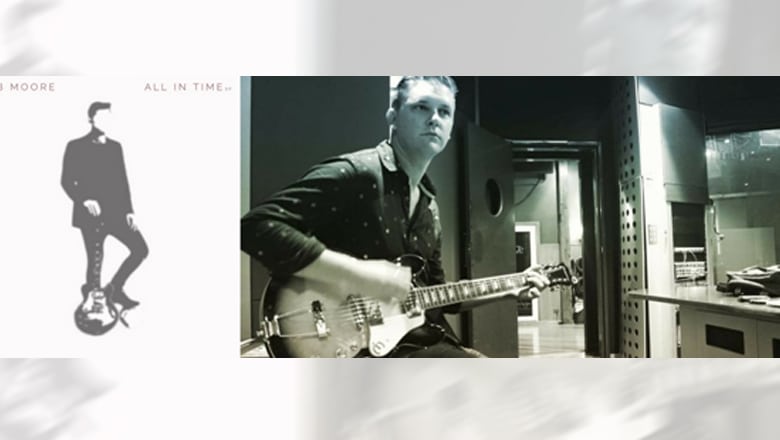
What do you get when you mix 50’s soul and RnB, and put them with textured and atmospheric electronic sounds? Sydney artist Jacob Moore and his EP, ‘All In Time’.
We caught up with former 40 hours competition winner recently and here’s what he had to say about his journey of tirelessly putting his EP together and working at 301 with Jack Prest.
On winning 40 Hours comp:
On the side of performing & producing for a bunch of rad Sydney based acts over the years, I had been building up a broad range of songs on the side that I really liked but had not yet found a home. I had a strong urge to establish something that pertained a vintage soul-blues flavor yet utilized today’s electronic leaning ‘bedroom producer’ ideals as this method was how I had been handling my producer duties over the years – literally creating band music from home & only entering the studios to put the finishing touches on my older work. One of these tracks ‘return to me’ fitted this template so I entered it in Studio 301’s 40 Hours songwriting competition & was announced as one of the winners in August 2015. This enabled me to work with Producer Simon Cohen on a very vocal heavy track ‘infinity’ – Simon was really fun to work with & I felt he ‘got’ the sound I was aiming for. We ended up doing a soft release of this track as my first solo single to give people of taste of the work I was preparing in the back end.
On working with Producer Jack Prest:
After releasing my first solo track ‘infinity’, I felt that we had established the musical ‘colour palette’ I wanted to present to the world. I was ready to take things further so after brainstorming a few ideas for my other new tracks with Abbey & the team at 301, we decided to enlist Producer Jack Prest who is renowned for his prowess in electronic music & as a ‘finisher’. We could then fuse all my acoustic & electric home recorded noodlings. take it to one of the big studios at 301 and really beef it up using Jack’s knowledge & production ideas. A couple of the sessions we brought in some musical friends of mine to play some extra instrumentals so I could take more of a directors chair approach. Working with Jack was super rad – he was very informative, could always share a laugh with me (very important!) & would always throw up a second opinion which I always found to be very valuable. I can’t wait to be able to come back and work with Jack & the team at 301.
On Saturday 13th AugustStudios 301 hosted Music NSW for Women In Electronic Music Masterclasses, with our very own Antonia Gauci leading the Engineering Basics masterclass in Studio 1. Also on the bill we had Looping and Pedals with Rainbow Chan and Songwriting Basics with Buoy. The day was a great success with inspiring and talented students and teacher coming together sharing ideas and practices.
Thank you all who applied and attended. Follow Music NSW for further announcements and classes/panels/events to come.
Studios 301 are excited to announce that we have teamed up with the MusicOz Foundation to be an official partner of this year’s Australian Independent Music Awards. The AIMA’s are an amazing platform which help recognise and highlight Australia’s most talented independent musicians and artists.
We are proud to be a part of this platform for independent artists which in previous years has boosted such names as Bliss N Eso, Blue King Brown, Porcelian, Sick Puppies, Cog, Mammal, Felicity Urquhart, Blue Juice, The Fumes, Stone Parade, Fiona Joy Hawkins, Art Vs Science, The Jezabels and many more.
To celebrate, MusicOz have extended the entry date until midnight this Sunday 21st August.
Enter the awards at the MusicOz website here now
As an exclusive offer MusicOz & Studios 301 are giving away a Rhode NT1-A Microphone to ONE lucky handpicked applicant next week. To go in the draw simply enter now.
Good luck with your entries folks!
ABOUT The MusicOz Foundation – Australian Independent Music Awards
Musicoz is a national initiative dedicated to improving the quality of original music culture in Australia. For over a decade Musicoz has been developing the music industry at the grass roots level by seeking out, recognising & encouraging the talents of unsigned and independent artists and providing them with much needed development support and opportunities as they carve out their careers.
The awards cover 18 genres of music with over 5000 entries each year.
Plugins have come a long way, so much so that many people are now working purely ‘in-the-box’. While some of the big name developers are selling plugins for hundreds if not thousands of dollars, there are a tonne of great indie developers releasing plugs for free.
The following is by no means a comprehensive list, just a selection of my personal favourites:
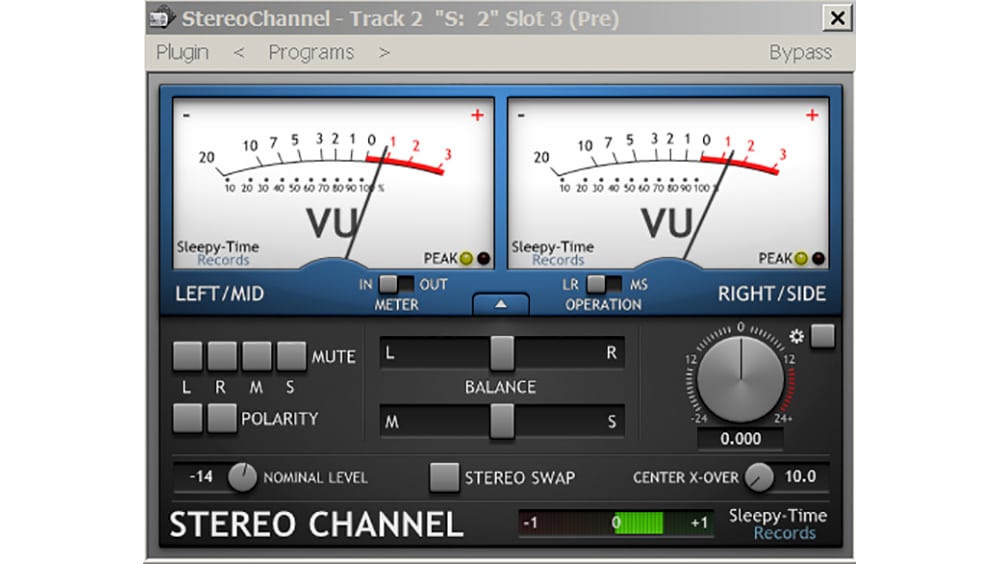
1. SleepyTime DSP StereoChannel
Learning how to read VU meters is invaluable for mixing and mastering. The way the needles move can tell you things about the mix that other types of meters can’t, yet finding good hardware VU boxes isn’t easy.
SleepyTime DSP’s StereoChannel is an excellent software alternative with nice big clear meters, and the ability to set a nominal level. It also sports very handy stereo based features
such as M/S and L/R balancing and muting, emulating features found on monitor controllers.
It’s one of those plugins that goes on the master channel of every project.
2. Reaper Free Plugins
I’m a Reaper convert. I love it’s flexibility, open and moddable nature that makes most other DAWs feel needlessly restrictive in comparison. Like every DAW Reaper, it comes with a bunch of built in plugins and they offer those plugins as free VSTs to use in other hosts if you prefer. While they won’t win any graphic design awards, they sound great and offer a lot of utility. You get the standards, a compressor, an EQ, delay, gate and multi-band compressor, but the really interesting pieces in the package are ReaStream, ReaFIR and ReaJS.
ReaStream lets you stream audio over a network. Put ReaStream in send mode as a VST insert on a track (you can also use it in multichannel mode), then on another computer on
your network open your DAW and insert ReaStream in receive mode. Hitting play on the sending computer will stream the audio to the receiving computer. It’s really simple to setup and very useful. Just make sure you know the IP of the receiving computer otherwise you could inadvertently DDOS your network.
At first glance ReaFIR looks like a standard EQ, though it’s anything but. I’ve found it useful to use in “subtract” mode for quick and easy noise reduction. Take a noise print then hold
CTRL and click on the graph to raise or lower the threshold of reduction, and you’ll have a surprisingly good and very light on CPU noise reducer (increasing FFT size will increase accuracy of the noise reduction). This can be great when you are working on multiple channels of audio that need noise reduction as more specialised plugins like Izotope RX can really tax your CPU load. You can also use it as a sound mangler using the compress and gate modes. It’s fun to grab a curve of a sound in the subtract “build noise print” mode, then carry that curve over to compress or EQ mode and essentially force that print onto a different sound. Things can get crazy sounding pretty quickly.
ReaJS is for the aspiring DSP programmers out there. You can use it to make or modify your own plugins in JavaScript. There’s a community of people out there making and sharing their own JS plugins, thus installing ReaJS opens up a whole world of more free plugs:
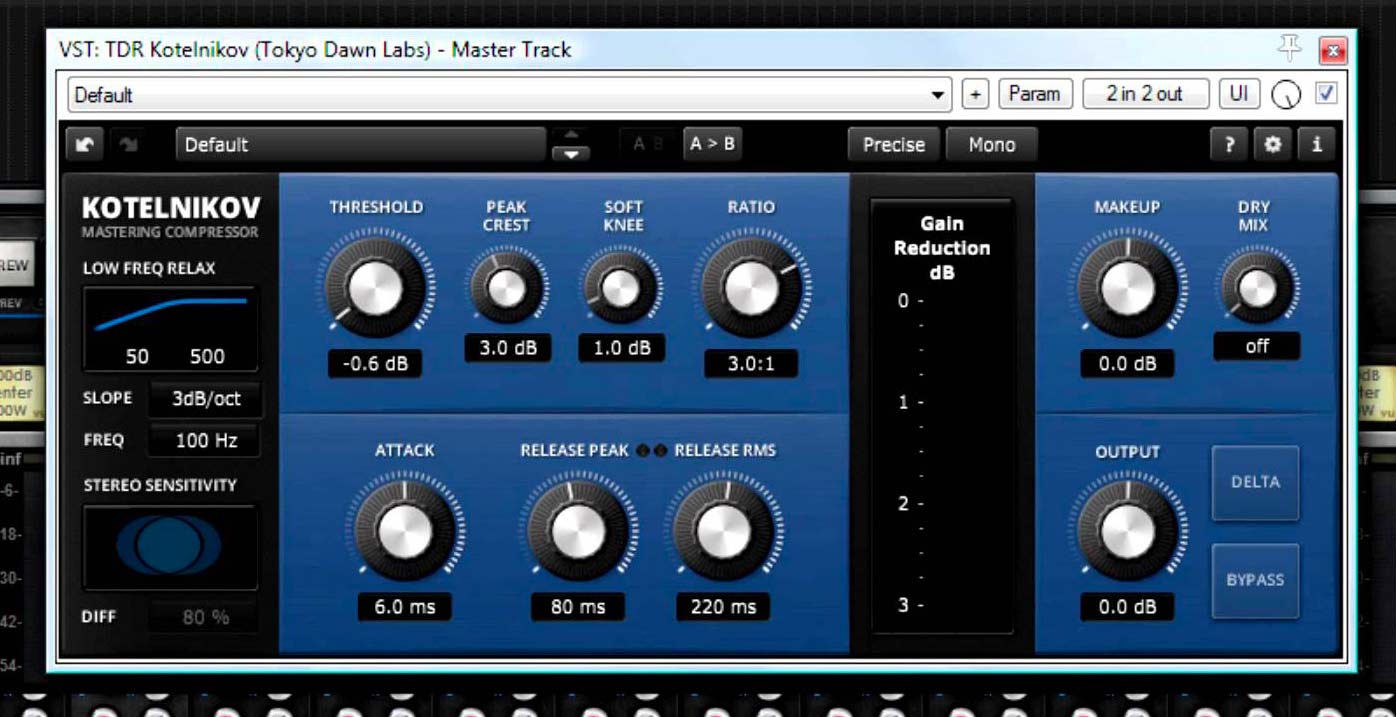
Tokyo Dawn Records is a record label with the unique distinction of also creating and distributing plugins, a lot of them free. They have a raft of amazing stuff, like the collaboration with Variety of Sound that resulted in the most excellent SlickEQ (http://www.tokyodawn.net/tdr-vos- slickeq/). My favourite is their buss compressor Kotelnikov which comes in both free and paid (albeit still cheap) versions. The free version is not as gimped as you might expect, and is preferable in some cases due to it stripping out a lot of the advanced features that you probably won’t need a lot of the time.
It works by using two thresholds and two releases, one for the peak and one for the RMS of the signal which results in an extremely clean and transparent sound. Kotelnikov works great as a master buss compressor due to the way it handles complex material.
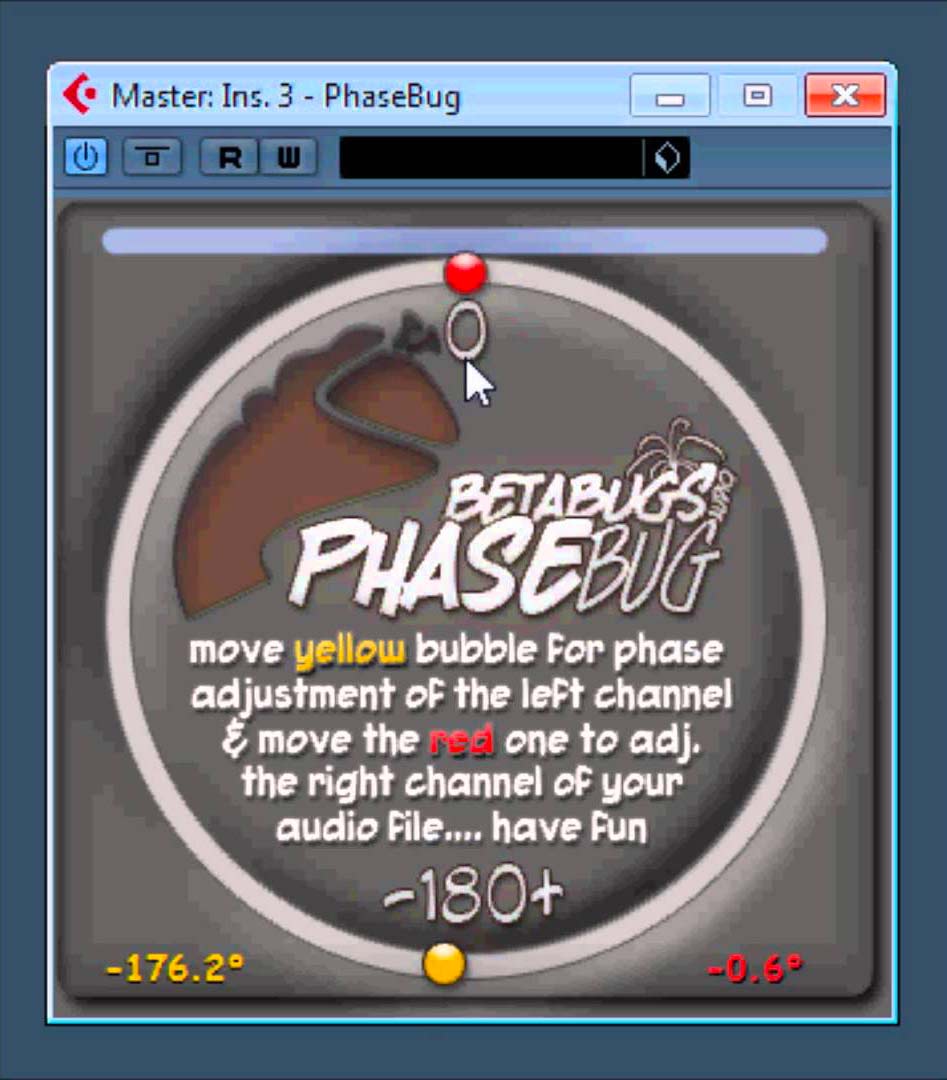
4. Phase Bug
Every DAW comes with an invert phase button, however you are usually limited to two choices, 0 or 180. Phase Bug by BetaBugs is a free plugin that lets you change the phase
on a piece of audio by degrees. It’s a simple concept, you have a wheel and you spin it. The mono version of the plugin is useful to use on things that have multiple sources as you can dial in a tone you like very quickly. For instance, when you have Bass Mic and Bass Di tracks: put Phase Bug on one of the tracks and spin the wheel around to listen to the tone
change as you go.
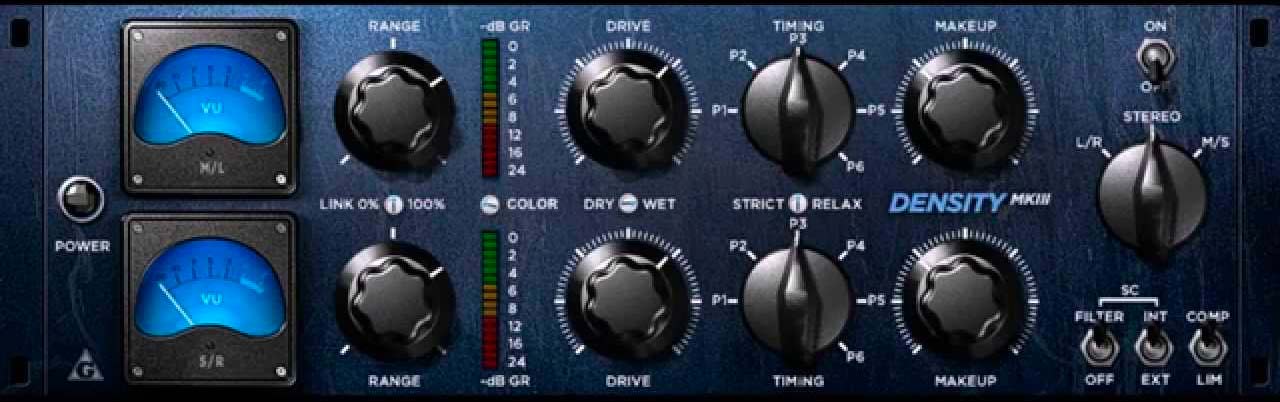
5. Variety of Sound Density mkIII
Variety of Sound offers a whole suit of awesome plugins, all for free. One I use fairly often is Density mkIII, a very nice buss compressor with an apt name. While it works pretty well on the master buss I like it on instrument sub-groups such as guitars to even out the level and add a bit of saturation with the colour knob. So there you have it, five of my favourite free plugins. There are many more great ones out there by the developers I’ve mentioned and ones I haven’t. If you like any of these I would highly recommend digging a little deeper as there is a whole community of passionate indie developers releasing great plugs for little to no cost.
We managed to get a quick interview in with the winners of our I AM INDIE competition, Phantastic Ferniture, after a weekend recording in Studio 2 with Tim Carr and working on their forthcoming EP. Speaking to Holly our Studios Coordinator, here’s what they had to say.
Studios 301: How was it recording at 301?
Ryan: It was nice not having to record ourselves. Everything we’ve done before has been me or the band having to do it. It was quite relaxing for me not to be yelling at everyone telling them to do things.
Liz: And it was also nice for us not getting yelled at by Ryan.
Julia: It was cool just being at a studio space like Studios 301. We haven’t really done that before.
Liz: It felt a lot easier than usual. It’s hard to make things go smoothly when you’re recording yourself. And also having that external opinion (from Tim Carr) being able to bounce your ideas off, instead of just us.
Ryan: We don’t get to use spaces like that everyday, with nice gear and big rooms.
Julia: Or have that much time.
Liz: It was nice doing things in normal daytime hours. Normally we’re still going at 1am. It was also good to have so much space to set everything up and easily go back to instruments, instead of having to do say guitars, then pack it up, then do drums. You can easily go back to things.
Studios 301: Do you feel like you played better because of it?
Collectively: yeah, I reckon.
Studios 301: How did you find working with Tim?
Ryan: Tim’s great because the just lets us figure out what we want to do, and then he’ll put one little idea out there and it take it from good to really good.
Liz: He’s also such a fast worker. I was quite astounded how quickly he mixed things between takes.
Julia: He’s obviously so experienced and he’s knows exactly what he needs and he just does that while we’re recording.
Studios 301: I guess that’s the skill as a producer, being quick and making one suggestion that takes the music somewhere else.
Ryan: Normally the four of us have such strong opinions so it nice to have someone listening to our opinions and taking it on.
Julia: I think the great thing about working with Tim was because we all do have strong opinions, if we were working someone also with strong opinions as well it might have been difficult.
Ryan: We would literally be throwing stuff across the room.
Julia: He was super accommodating and really listened to what we wanted.
Studios 301: So what’s the future hold for Phantastic Ferniture?
Julia: Just mainly finishing the EP, releasing it and seeing if people like it and going from there.
Ryan: We’ve only got two songs released so far. We’ve also already thought about video clips. That’s half of what we do in the studio. Just spending time figuring out what we’re going to wear and what clip’s going to look like.
Studios 301: What are the plans for the video clip? Can you give anything away?
Liz: It’s going to involve dancing.
Julia: And people that are playing us, but not us
Studios 301: Any cameo’s?
Julia: We’re definitely trying to get celebrity cameos
Ryan: Hopefully over 50’s
Liz: Or under 50’s
Julia: So basically anyone (laugh’s)
Keep an eye out for Phantastic Ferniture’s movements at
Since we last checked in with Antonia Gauci her work on Tinker’s single “Fill The Field” was getting some major kudos from triple j’s Richard Kingsmill.
Since then she’s gone on to work and create with artists such as LISHI, Vallis Alps, Jays Ways, Anatole, Kimchi Princi, and continues to cultivate her sound as an engineer, writer and producer to be reckoned with.
This month, as well as being part of our exclusive Independent music package promotion, Antonia is a featured presenter for the upcoming Women In Electronic Music program, giving her very own masterclass at Studios 301.
We had a quick catch up with Antonia between sessions to talk about her current buzz.
You’ve got a masterclass coming up this month as part of Music NSW’s Women In Electronic Music program. Can you tell us a little more?
Antonia: I’m really excited and a little nervous as this is my first one! I’m currently liaising with Hannah and Emm from Music NSW and we’re putting together something really cool for the applicants. The basis of the masterclass is engineering basics, but I’m hoping I get to go deeper than that. I’m looking forward to showing everyone how the studio works and my recording/working process.
How was the buzz from the last Tinker single you worked on?
Antonia: I believe it showed what I can do as a Mix Engineer and also portrays the type of sound I’m going for at the moment. It was a refresher in people’s minds about what I’m doing/working on and it’s really opened me up to people in this genre because they’re now even more aware of my mixing (and engineering) skills.
Since then I’ve also mixed Tinkers remix of Woode’s track “Daggers & Knives” and we’ve continued to talk about finishing off more music together.
Various artists have gotten in contact about collaborating which is super cool. People seem to like what I’m doing!
A standout track I’ve been working on is one with an artist called LISHI. I’ve been involved in the creative process from the ground up, writing alongside her, co-producing and mixing the track. I’m excited for its release ‘cause this project has helped me realise what sounds I like and the direction I definitely want to head in with my production.
So what is it that you really like working on?
Antonia: Someone asked me this recently and the answer I gave was “anything that makes me feel”. If I hear something in its early stages and it gets a reaction out of me then I’m hooked and would love to continue to work on that. Harness that energy, increase it ten fold – make it big, make it lucious, make it slick.
How does it feel for people to be seeking you out to do more engineering and producing?
Antonia: It’s satisfying! Having spent so long working towards this goal, it’s great to be seeing the shift and making the transition into more recording, writing, mixing, producing and creating. I’ve had some really phenomenal projects come my way recently and when they are released I hope they do really well for the artists and myself.
Just over two months on from releasing his debut record, Cut Love Pt. 1, Hayden Calnin releases ‘Cut Love Pt 2’ album – Co-produced & mixed by Tim Carr, mastered by Andrew Edgson
Melbournian post-punks Gold Class join forces with Sydney DIY goth-poppers Mere Women to deliver a split 7″ – Mere Women – Recorded & mixed by Tim Carr
Eddie Boyd ‘Stoned’ single – Produced & mixed by Tim Carr
Brisbane band The Creases release their first new single for the year ‘Impact’ to coincide with their east coast tour – Mastered by Steve Smart
Sydney’s Middle Kids release their debut single ‘Edge Of Town’- Mastered by Steve Smart
Spookyland bring back their brand of swinging rock n roll with their new album ‘Beauty Already Beautiful’ – Mastered by Leon Zervos
Following a number of impressive EP’s Sydney band Ocean Alley release their debut album ‘Lost Tropics’ – Mastered by Steve Smart
Melbourne indie-pop trio Halcyon Drive unleash their new EP ‘Untethered’ – Mastered by Steve Smart
22 year old Sydney-via-Canowindra musician Gordi delivers her elegant big pop EP ‘Clever Disguise’ – Mastered by Leon Zervos
Valerie delivers her EP ‘Valerie’ featuring the single “I’ll be loving you” – Mastered by Leon Zervos
Gang of Youths release their brash brand new single ‘Strange Diseases’ off their upcoming EP – Mastered by Leon Zervos
Midnight Oil frontman and aussie legend Peter Garrett releases his long awaited solo single ‘Tall Trees’- Mastered by Steve Smart
Kiwi buzz artist MAALA releases his ‘Kind Of Love’ single – Mastered by Leon Zervos
Dustin Tebbutt releases “First light” the first single off his highly anticipated debut album – Mastered by Leon Zervos
Sydney trio True Vibenation take a slight detour from their usual sound with their new single ‘The World Is Ours’ – Mastered by Ben Feggans
Paul Conrad releases his new single ‘The Rest Of Your Life’ – Co-Produced & mixed by Tim Carr
Sydney soul lady Wallace delivers the future soul single ‘Is It You’ – Mastered by Andrew Edgson
Recurring TV soap guest star Jai Waetford releases his ‘Heart Miles’ EP – Mastered by Leon Zervos
Rising pop powerhouse Montaigne releases her new single ‘Because I Love You’ – Mastered by Leon Zervos
Australian emerging producer, songwriter and rising star PON CHO releases single ‘Lonely Walls (feat. Paige IV)’ – Mastered by Leon Zervos
Sydney indie surf-rockers Wild Honey release their bangin’ new single ‘Pull It Together’ – Mastered by Andrew Edgson
Ngaiire releases what is arguably her most confronting and passionate collection of music yet, her second album ‘Blastoma’ – Mastered by Ben Feggans
Angus Stone debuts his new musical project DOPE LEMON ‘Honey Bones’ album – Mastered by Leon Zervos
Bob Evans releases his acoustic rooted album ‘Car Boot Sale’ – Mastered by Leon Zervos
One of the key tools in the mix engineer’s toolbox is EQ (I’m going to presume if you’re reading this you know what that stands for). Used for subtle cleaning of sounds right up to heavy sculpting, getting your EQ right is the key ingredient to getting a mix that’s got definition and clarity. Here’s my quick run down of 5 EQ plug-ins that I use on every mix.
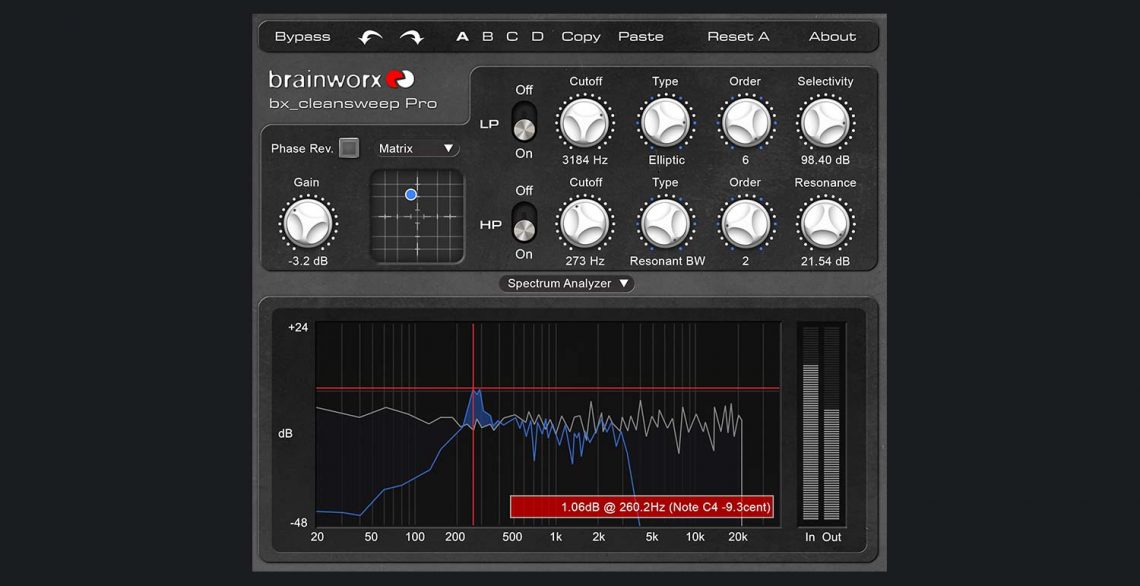
Brainworx Cleansweep Pro
Although technically a filter set rather than an EQ, ever since it’s release this plugin has been getting a solid workout. It enables me to remove the unwanted parts of a sound with great transparency, leaving everything I want retaining a really musical quality. The Chebyshev and Elliptical filters also allow for some pretty wild sound design possibilities.
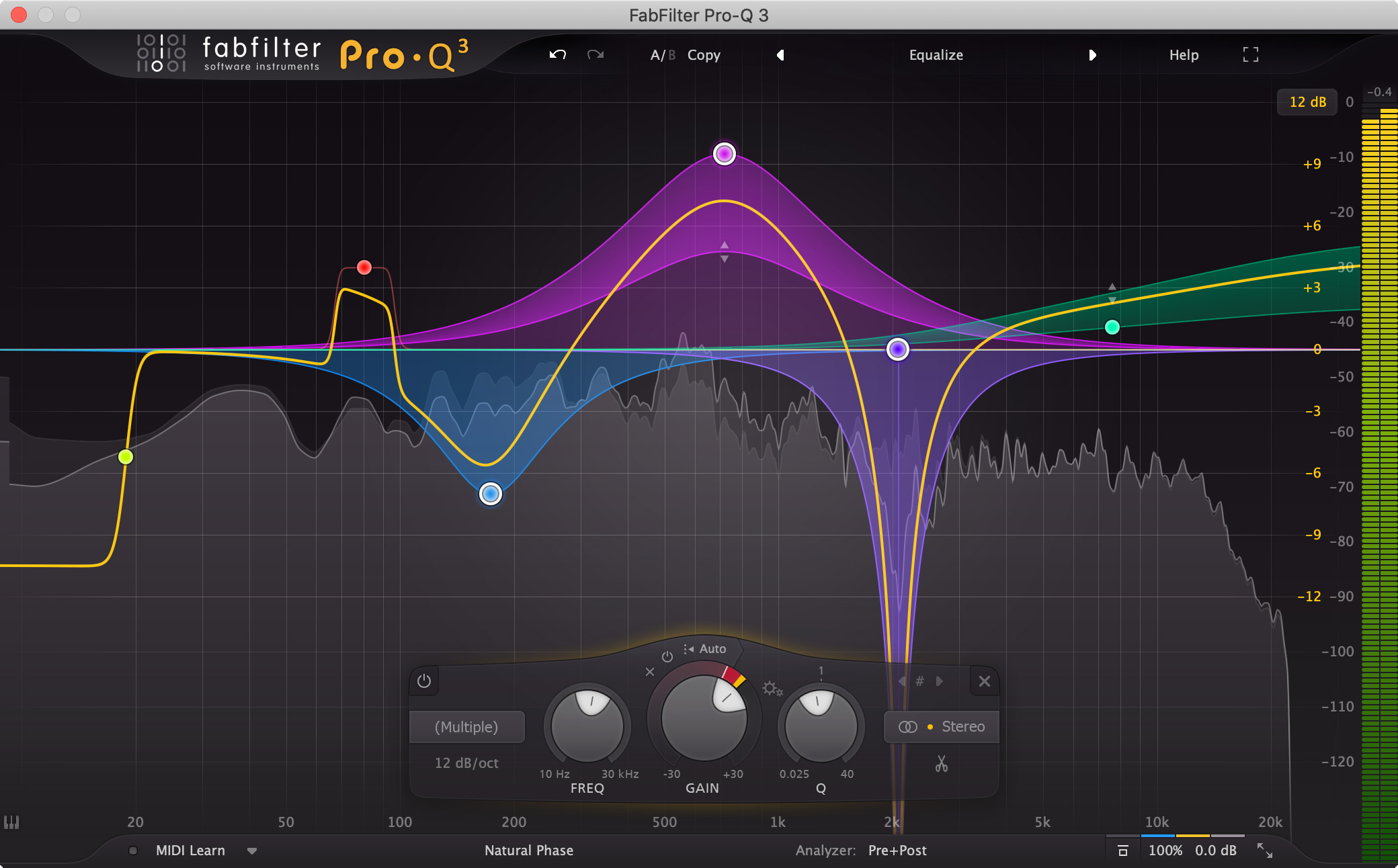
Fabfilter Pro-Q2
This EQ is pretty much my go to and will end up on nearly every track in one of my mixes. It’s incredibly flexible and the built in spectrum analyser and the intelligent solo mode enable you to quickly and easily find problem frequencies. The fact you can go up to 24 bands means you can tweak till your hearts content.
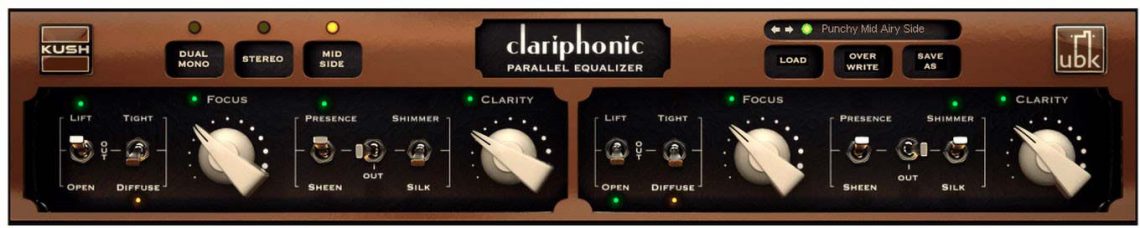
Kush Audio – Clariphonic DSP-MkII
This is one of those magic plugins, put it on tweak the knobs and listen as everything sounds amazing! Be careful though it’s easy to overdo it with this one. It’s especially good on synths, pianos and anything that needs a little extra sparkle.
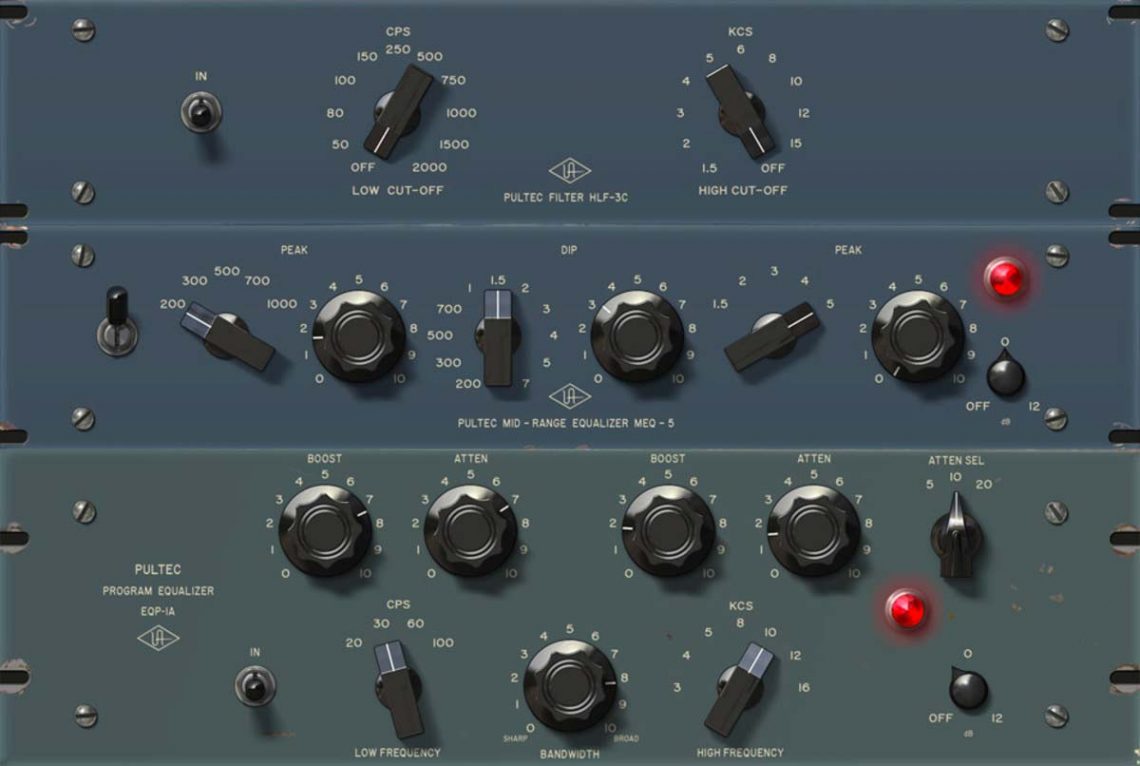
UAD – Pultec Passive EQ Collection
This is hands down the best analog emulation EQ, IMHO. The EQP-1A is amazing on bass and kicks and the MEQ-5 is great on guitars, vocals and pretty much anything else. You can even just drive the output of these for some extra harmonics.
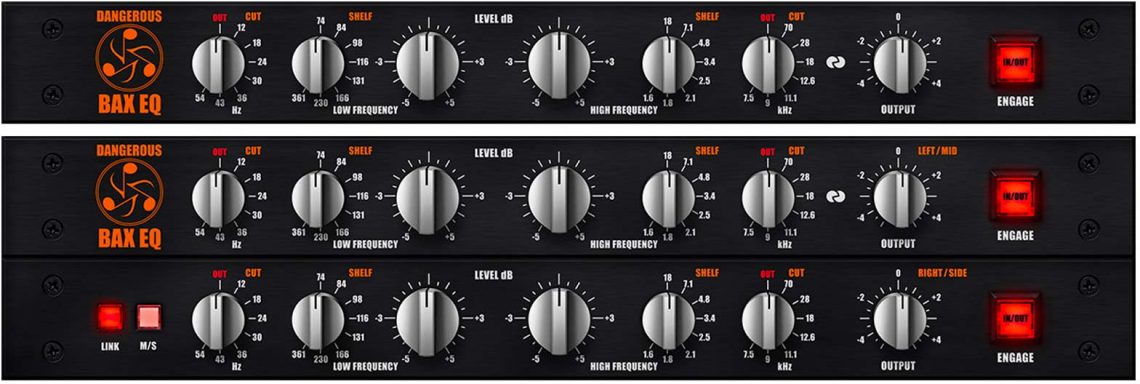
Dangerous – Bax EQ
This has been a staple on my mix bus for a while now. I love the high and low pass filters and the ability to make subtle changes to the frequency balance of the mix. It also makes everything sound bigger and wider just by passing audio through it. Makes things sound a little less in the box.
Mastering is an important step in the music production process, and perhaps the most misunderstood. Once you have your songs written and they are ready to be released to the world, the process could simplistically be represented as:
Recording/Tracking -> Mixing -> Mastering
The recording and mixing stages are fairly self explanatory, at the end of mixing you will have the final stereo mixdowns of your tracks, which often people think is the end of the music production line. You can play these mixes back on your car stereo, on your phone, on your computer, and they sound like a finished song. So what is the point of mastering?
A mix engineer will take the multi-tracked audio from the recording sessions and will focus on creating a coherent mix out of them. Mastering is about then taking that mix and optimising it for the destined playback format. Contrary to popular belief, it isn’t just “making it louder”.
Let’s say you record 10 songs for an album. When you arrange those songs into a sequence you might find, for example, that the songs vary in volume or that some have more treble than others. Mastering will smooth out the differences and make your album a coherent listening experience from start to finish.
Mastering engineers also make sure that your tracks will sound good on all range of speaker systems and playback methods, from the smallest iPod earbuds through to big PAs. Often what comes out of the mixdown stage might have an overload of sub-bass frequencies and uneven overall dynamics, or any number of potential issues. It might sound good on the speakers that they were mixed on but when listened to on different speakers in different rooms they do not sound as intended. Mastering engineers work in highly calibrated and precise listening environments to ensure that your tracks “translate” as evenly as possible on all playback systems.
Releasing music can sometimes be a confusing business. There are codes to take care of, like ISRCs and UPCs, and there are a variety of different formats to service such as DDPs, MFiTs and WAVs. A professional mastering studio will be able to guide you through this process and advise you on what’s right for your project.
But why do we have specialist mastering engineers for this? Why can’t it all be taken care of by the mix engineer?
The key is specialisation. Mastering has it’s own specific gear, a mastering console for example is very different to a online mixing console. A mastering suite has very distinct requirements different to that of a mixing room. While there may be considerable crossover in knowledge between mix and mastering engineers, gaining the experience and skills to operate the tools specific to mastering up to a professional standard takes time and dedication.
And yes, a mastering engineer will also be able to make your tracks bigger, louder and clearer.
Andrew Edgson is one of Studios 301’s new generation of mastering engineers. Over the last 10 years he has mastered for Aria Award winning and multi platinum selling projects including Matt Corby, Sarah McKenzie, Vance Joy, and The Griswolds just to name a few. Recently he has been working with a whole swag of tastemaker bands that have caught the eye of triple j and TheMadden Brothers. We caught up with Andrew to talk all things mastering, and to find out what he’s been working on lately.Can you tell us a bit about your recent work and what you’ve been up to?
The last 6 months have been really busy for me. I’ve been able to work with a broad range of artists including Matt Corby, Hayden Calnin, Bag Raiders, A.D.K.O.B, Chase Atlantic, Jack and The Kids, The Lulu Raes, Ben Gillies, Burrows, Drued, The Hamiltons, The Frankner, Warhawk, Georgia Mulligan, DMAs, Pepa Knight, The Great Awake, BRUVVY, Sydney Symphony Orchestra, The Song Company, Pinchgut Opera, The Australian Chamber Orchestra, and the list goes on…
There has been some industry hype surrounding a few of the artists you’ve been working with recently… I’m talking about the triple j Unearthed wins from both A.D.K.O.B, Jack and the Kids, and all the attention Chase Atlantic are getting from The Madden Brothers. Can you tell us what’s going on with these projects?
It’s great to see these bands getting the recognition they deserve, A.D.K.O.B were one of the winners of the triple j unearthed competition late last year, winning a slot on the St Jerome’s Laneway festival. In a similar vein Jack and The Kids won the more recently announced unearthed competition getting a spot on the Groovin’ the Moo festival. Chase Atlantic have been picked up by The Madden Brothers, and are currently in talks with international labels.
What these sessions were like?
All of the sessions were actually unattended, so in these cases I was working alone, simply hoping that any changes I made were helping bring the artist’s vision closer to fruition. It’s a tough call as to whether I prefer this way of working. In one way it’s great to not be on the clock, so if I want to listen to 30 mins of Beyonce mid session I can, however there is the issue of delayed feedback. In the end we are working on art, and that is something that shouldn’t be rushed for the simple point of saving a few dollars.
Wow that’s a big 6 months. How important is it to stay connected in the industry and have close ties with management and artists?
The international music industry is surprisingly small, so I try to keep relationships with people in all roles, at all levels, across the globe. I wouldn’t recommend spending too much time concentrating in one space, as it’s so easy to reach a point of diminishing marginal returns. This concept can actually be applied to a lot of things; for example why become an expert mixing engineer in a specific genre only to find a year later the genre is out of fashion, along with your career. Be smart with your time, it’s pretty much the most valuable thing you own.
Looking through your discography you have a keen interest in jazz and classical but also mastered all the way over to indie and dance. How do you manage to stay across genres and not get pigeonholed?
As much of a cliché this is; I honestly enjoy a broad range of music, the variety is what keeps things fresh for me.
How do mastering engineers get their work?
To a degree it is a popularity contest, but this is predicated on a consistent level of quality work. This platitude seems appropriate, “you’re only as good as your last record”.
Are you an analogue or digital guy?
My mastering is usually a combination of both digital and analogue. There are however certain genres and even specific recordings that benefit from an entirely digital approach, much in the same way there are some recordings that scream out for the vibe soaked analogue treatment. It’s a matter of assessing a recording on its merits and choosing the appropriate approach to bring out the best in the music.
How did you get into mastering?
It’s a matter of having good ears, a habit of working hard and a being in the right place at the right time. I have come up through the ranks at Studios 301, so I have a good understanding of how to do all of the jobs available in a recording or mastering studio. Mastering is where I found the right balance for my personality; it has absolutely developed into a passion of mine, and is something I would be happy to dedicate the rest of my life to. There is a great piece of advice I picked up along the way – happiness in life is finding something you really enjoy doing, and doing that every day for the rest of your life. For me, this is mastering.
You’ve been mastering at Studios 301 for 10 years, what are the biggest changes that you have seen happen in music?
The biggest change is the change in distribution strategies that are now open to artists. When I started out, CDs were the primary method of getting music out into the world, now there is a multitude of formats and file types. The relevance of this to a mastering engineer is we need to be across all the different codecs and how they impose their own sound onto a recording, and how best to get around their shortcomings.
What’s the biggest piece of advice you can give someone wanting to be a mastering engineer?
If you want to become a mastering engineer, get yourself setup with a good quality monitor controller, a great DAC, and a set of speakers that you think sound great in the space you have available to listen in. Your speakers are the tool that you make all your decisions through, so if they are not setup right you are already handicapped, and it will be very difficult (almost impossible) to produce results at the consistency you need to. Once you are setup in the speaker department, you need to spend as much time listening to music as possible; your aim is to teach yourself what sounds good and what doesn’t sound good, this should turn into a pursuit that lasts a lifetime. Lastly get practising on the tools, mainly EQ and compression, which should be developed to the point of being second nature. I think it’s worth pointing out that the brand of tool is almost irrelevant, it’s what you do with them that counts. Check out more on Andrew Edgson: www.triplejunearthed.com/article/dirt-mastering
You can make a mastering booking with Andrew instantly online here.
For many years as a songwriter, it never dawned on me that thousands of other songwriters were in the same predicament. That of being alone in my bedroom with instrument in hand, bent over a piece of paper, toying with phrases and melodies only to quickly abandon them and stare at the wall for a particularly long period of time. Like many other songwriters, I also share the desire to sit down, reflect, then create a soundtrack to that feeling. The process may vary between us, some of you may not stare at the wall as much as I do. Some of you may not even find the paper, however there is fundamental element in us that is the same. Aside from this comforting thought, the songwriting process can sometimes be a tormenting one. Here are some tricks I use to help push me to the finish line.
1. Name it
Creating a title for a song often leads to the song simply writing itself. If the juices aren’t flowing however, try looking through magazines where you can find interesting play on words or hyperboles. If magazines aren’t your bag, head to your local book store and straight to P for poetry. Draw from poetry titles. You’ll often find just entering a bookstore will inspire.
2. Gather what’s around you
Be in the moment and listen to the passing conversations around you. The random one-liners are often priceless. Play with these phrases and make up stories about the passers-by.
3. Carry your tools
You never know when inspiration may strike, so make sure you have your pen and paper on your person at all times. Record ideas on your phone too. Recording all ideas will make you realise your creativity is not as stagnant as you think.
4. Keep it all
Hang on to all your little ditty’s. That suitcase of ideas may come around and take you somewhere unexpected. Try not to be harsh on those ideas. They are all leading to something.
5. Write all the time
Keeping it constant will ultimately ease the creative process. It builds familiarity with yourself as a songwriter and an artist. Accept the good, the bad, the stunningly beautiful, and obscenely grotesque. Writing consistently keeps you working on what is inspiring you at any given moment. It doesn’t even matter if it fits your style.
6. Know your patterns
If you’re feeling blocked, it’s not because you don’t hear anything. It may be because you’re reverting to your old patterns in songwriting. Using the same phrases, chord progressions, lyrical content, so on and so forth. Identifying this is a useful step into breaking the regime.
7. Be kind to yourself
Self criticism can really get you down when trying to write a song. It’s only fear and it can be turned off. What’s the reason behind the fear? Is it because you think it’s not good enough? If you’re present and honest while writing that will always translate. Authenticity is key.
8. Ask for a helping hand
If a song has reached a point where it can go no further, don’t be shy in asking for help. Give yourself a timeframe to finish it solo, and once you’ve passed that point, reach out. Collaborating is always a learning curve.
9. Pick up another instrument
Find inspiration on a new instrument. The less you know how to play it, the better. Put yourself out of your comfort zone and mess around on something new. Drums are particularly good for finding new ideas.
10. Have a break, have a Kit Kat
Walk away for a while, eat something, make a tea. Listen to music, read something or go for a walk. I personally wouldn’t recommend turning on the TV. That’s often a downward spiral.
11. Draw ideas from your fave’s
Put on your favourite song and jam along with it. This sparks inspiration for all sorts of musical ideas, from chord progressions, song structures, dynamics and lyrics. All artists appropriate from each other. Your interpretation makes it your own. I also asked some of our engineers and resident artists what there thoughts are on overcoming writer’s block. Antonia Gauci, resident Studios 301 producer / engineer / songwriter, shared her thoughts:
“I collaborate with other people. I take things outside. The other day I went for a walk in the bush with my friends and took a mini recorder. I meditate. I get off social media. The biggest thing is to try not to put so much pressure on yourself, and don’t be afraid to make an idiot of yourself!”
Cam & Joey from GLADES, EMI’s most recent signing and 301 production studio tenants, had this to say: “Keeping the space and environment that you are in creative is most important. There’s so many times where you hit a wall and that’s the time where you have to break. It’s time to play table tennis, and go for lunch. We normally take about 2-3 breaks per day, it’s really important to refresh your mind. If we had to summarise it would be to go and do something that’s not writing.”








 Learning how to read VU meters is invaluable for mixing and mastering. The way the needles move can tell you things about the mix that other types of meters can’t, yet finding good hardware VU boxes isn’t easy.