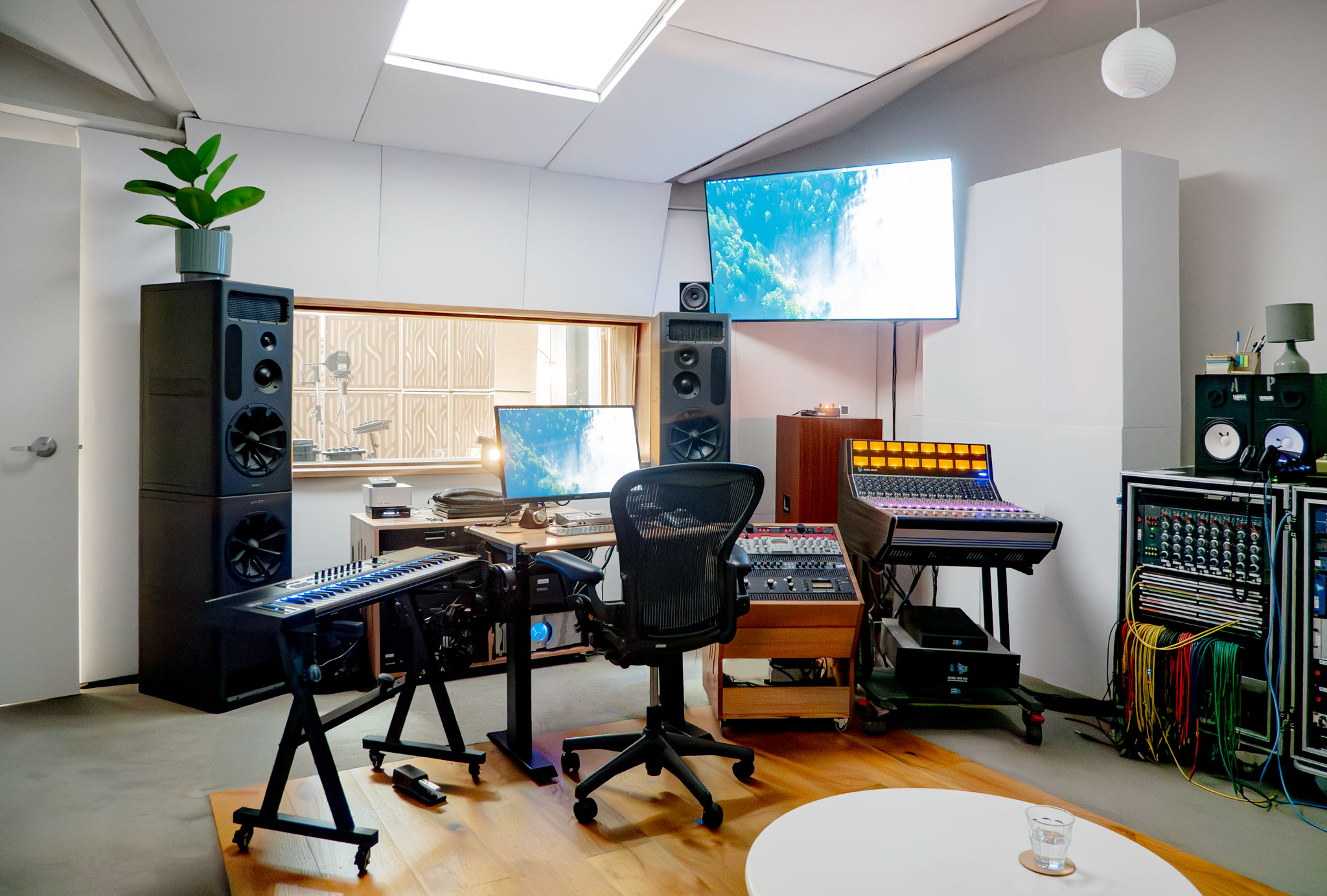
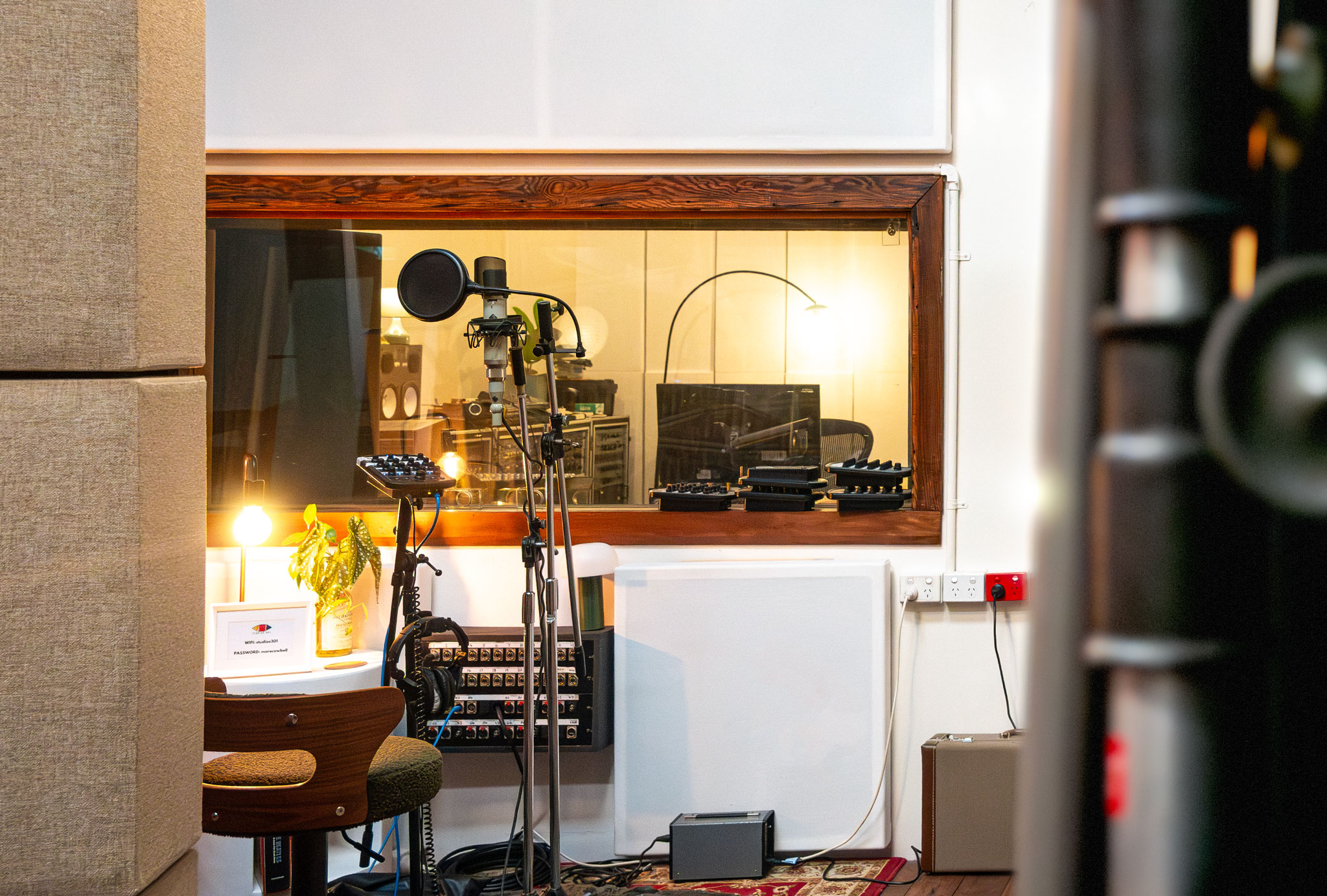
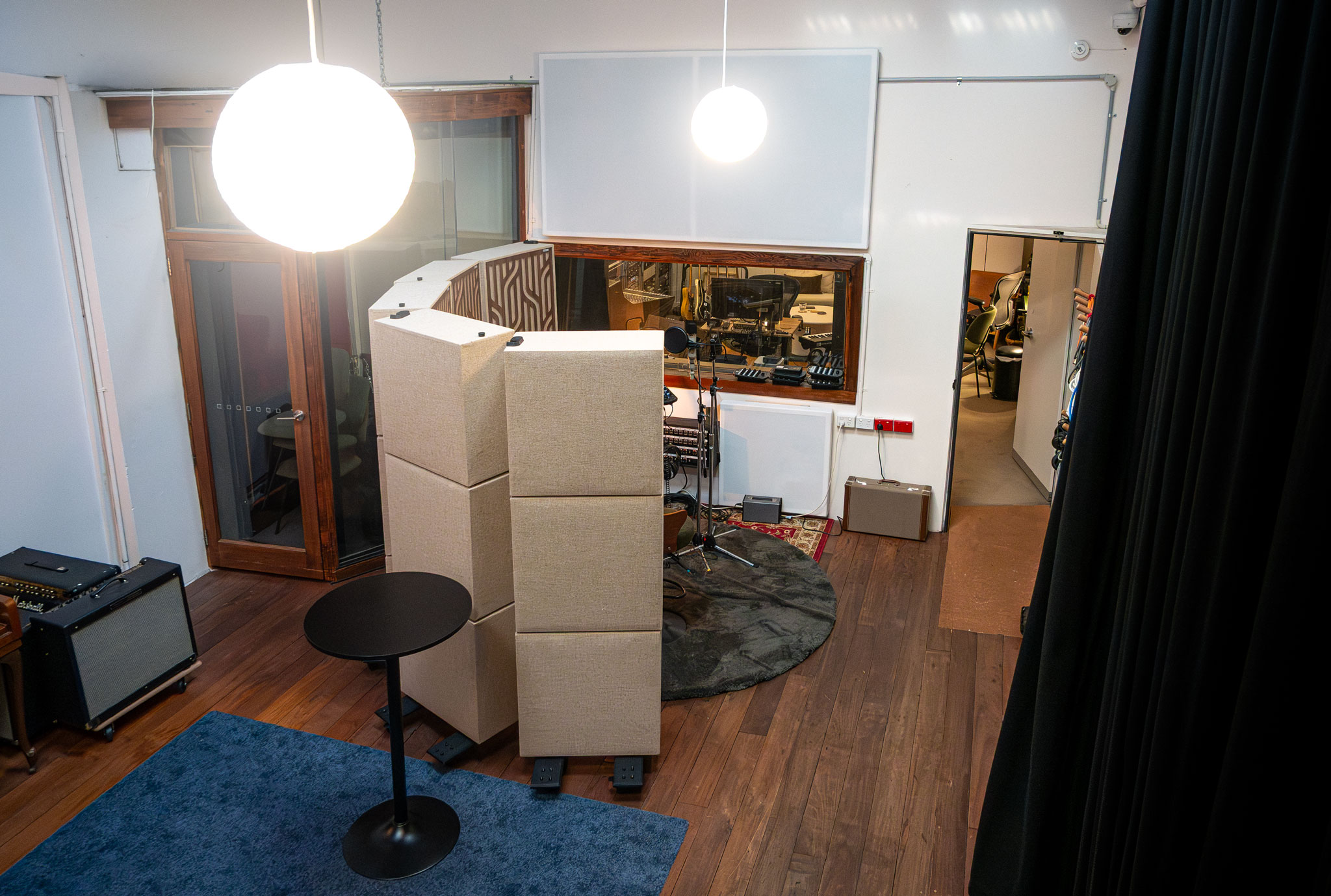
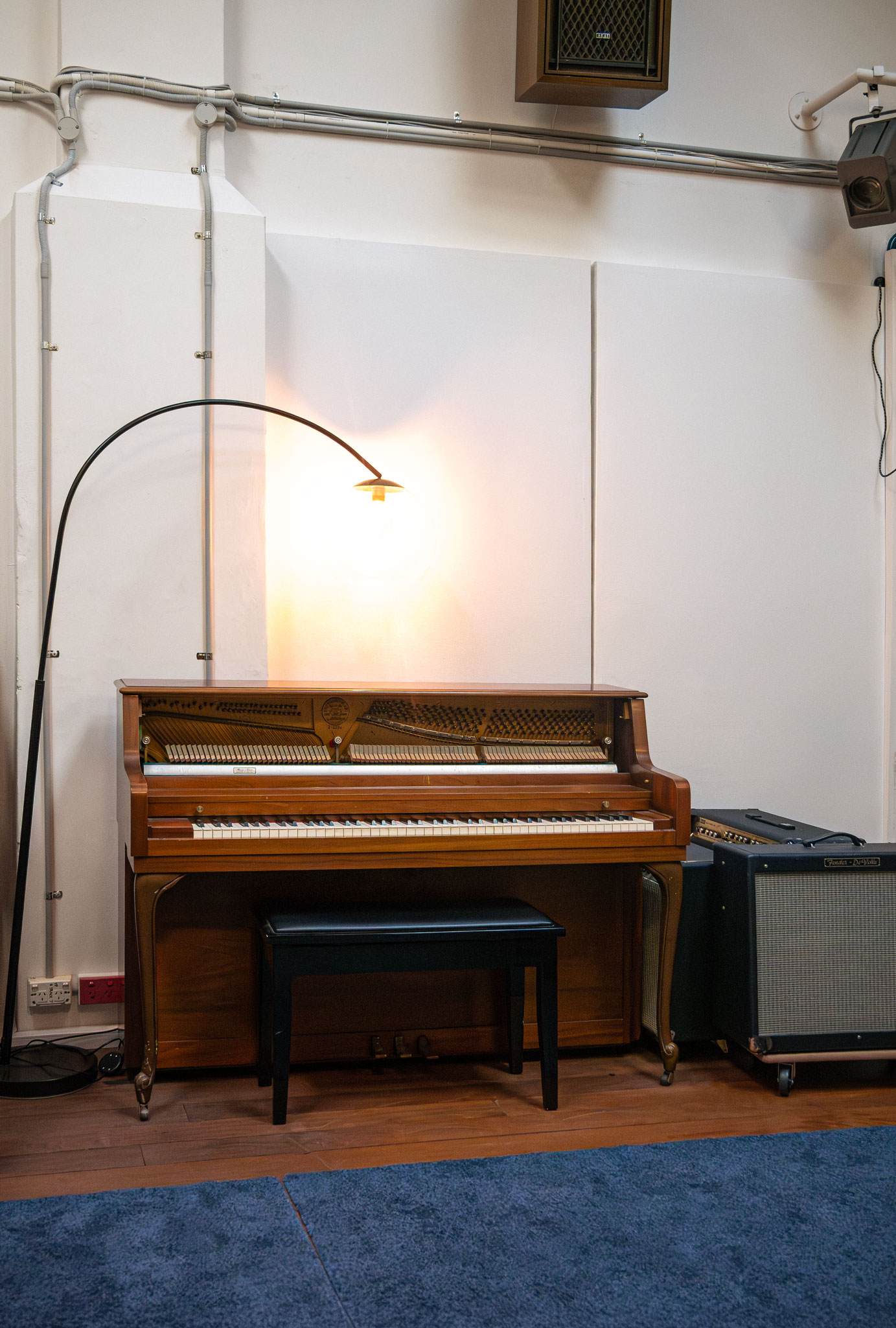
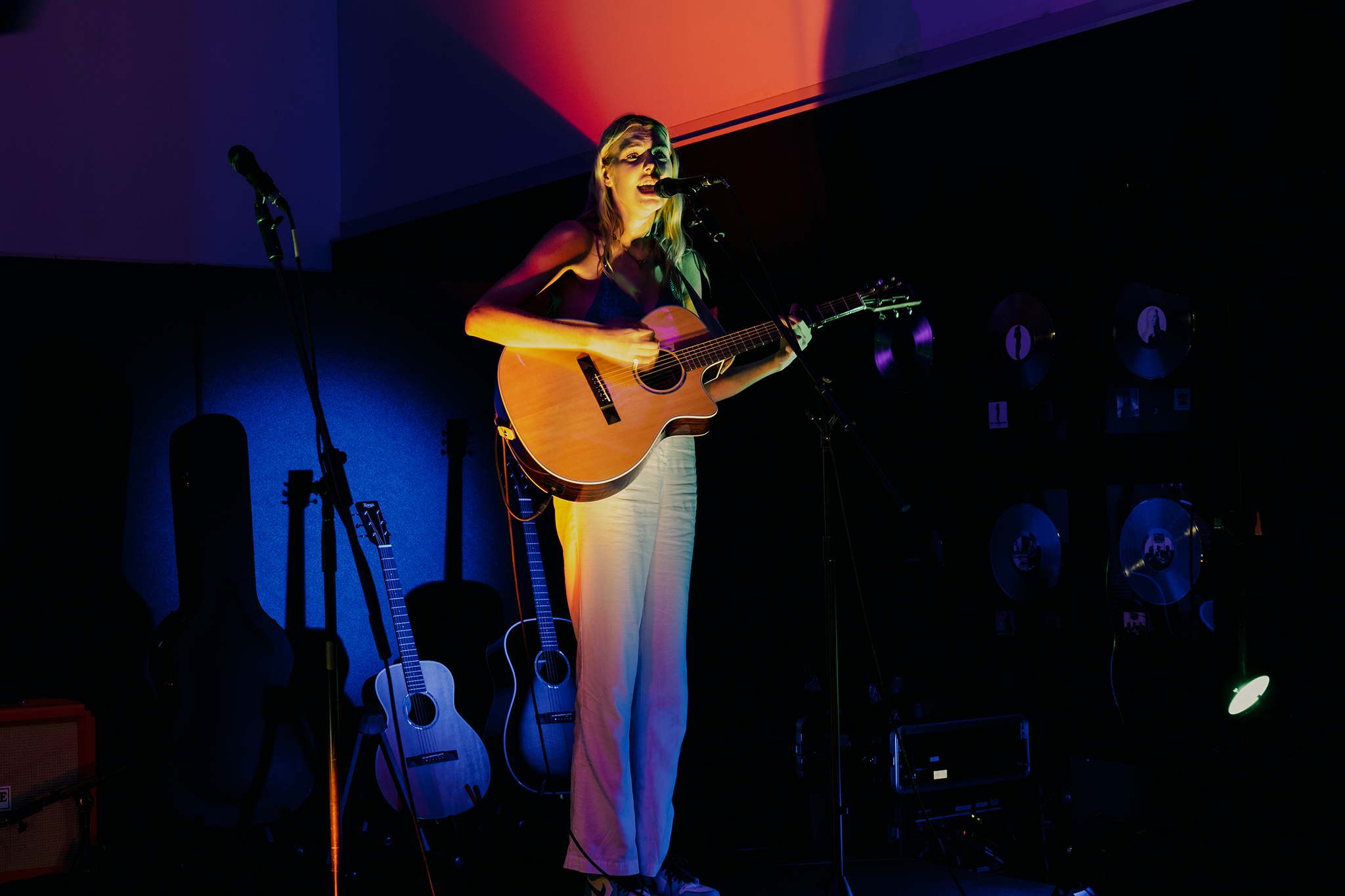
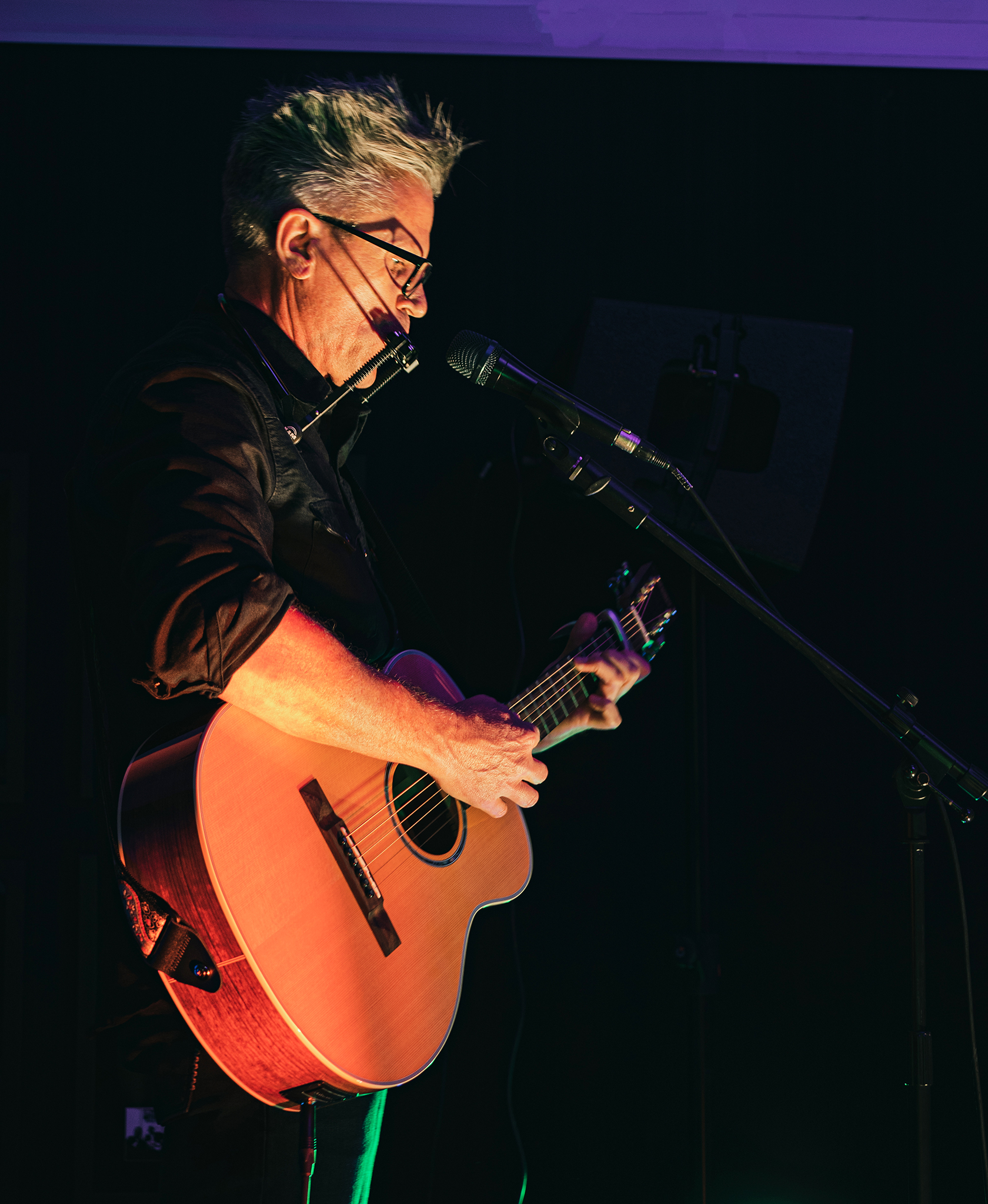
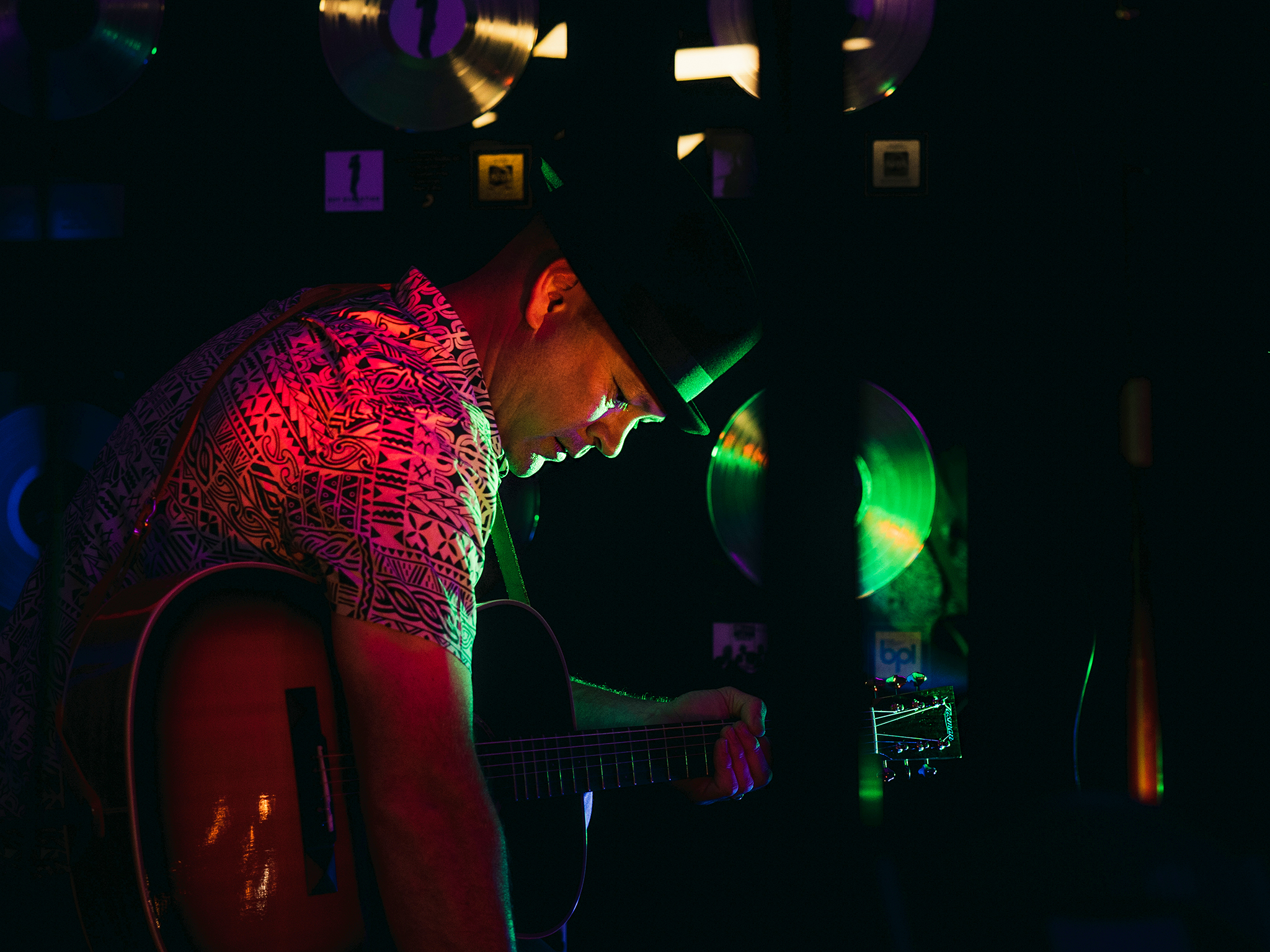
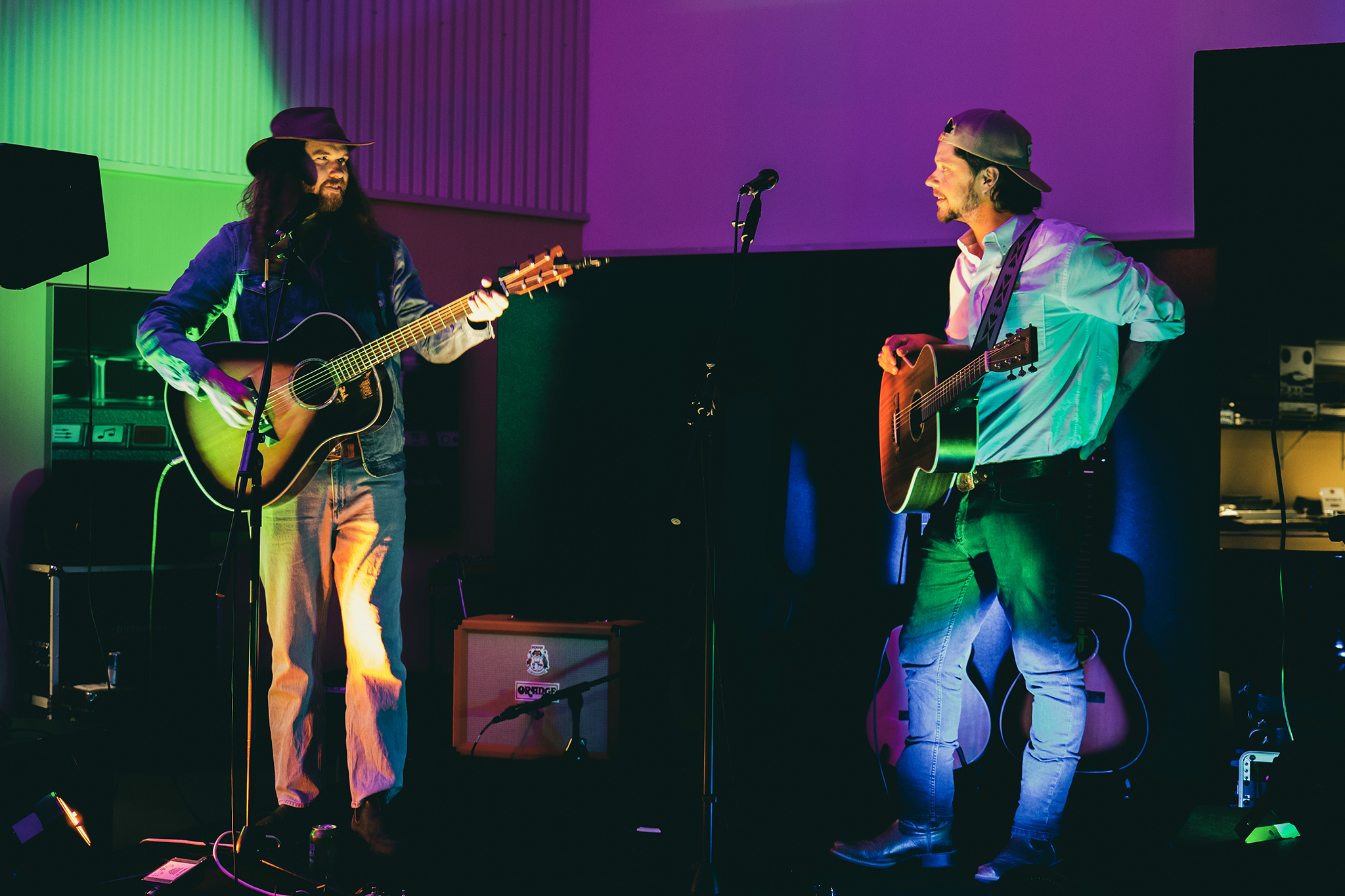
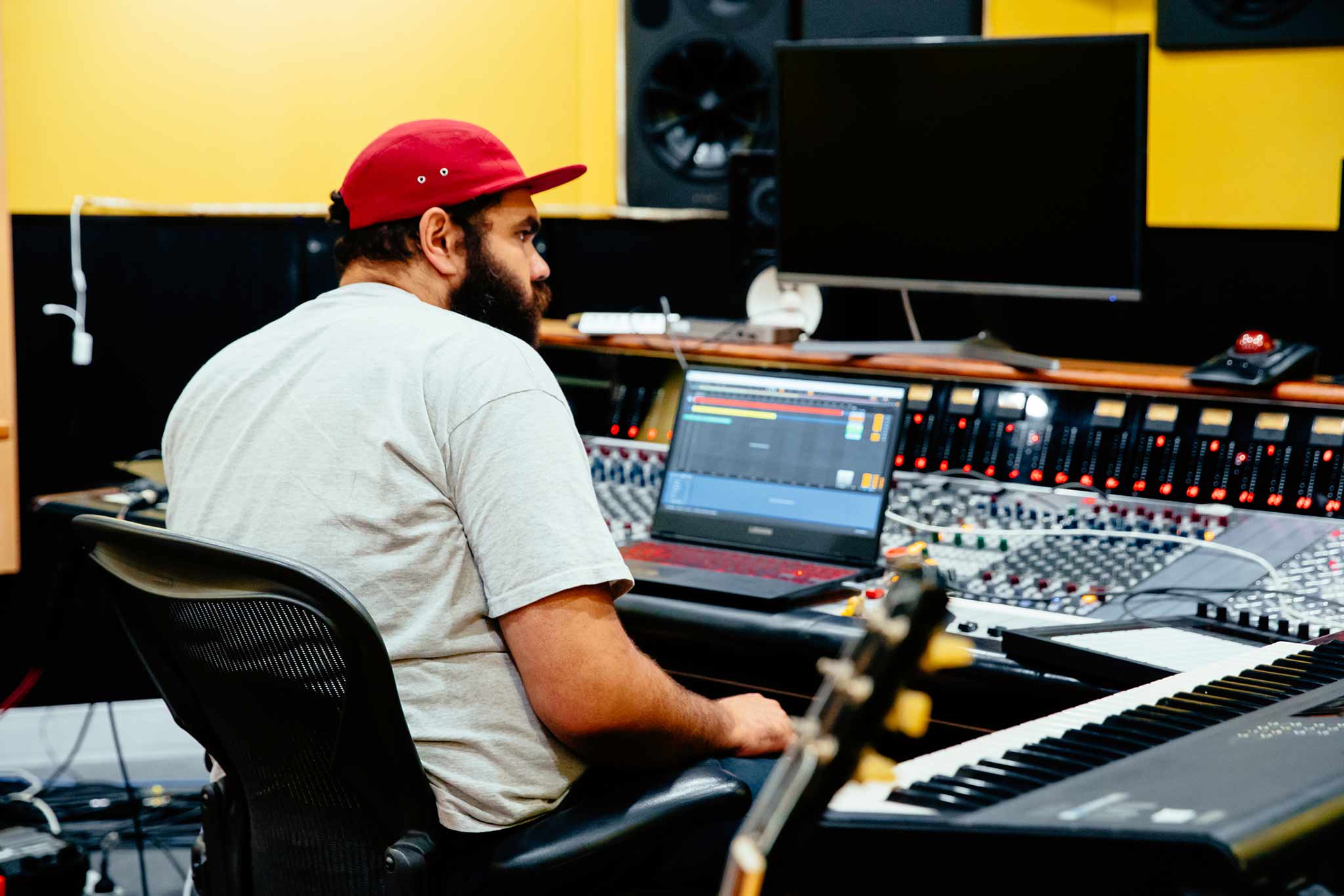
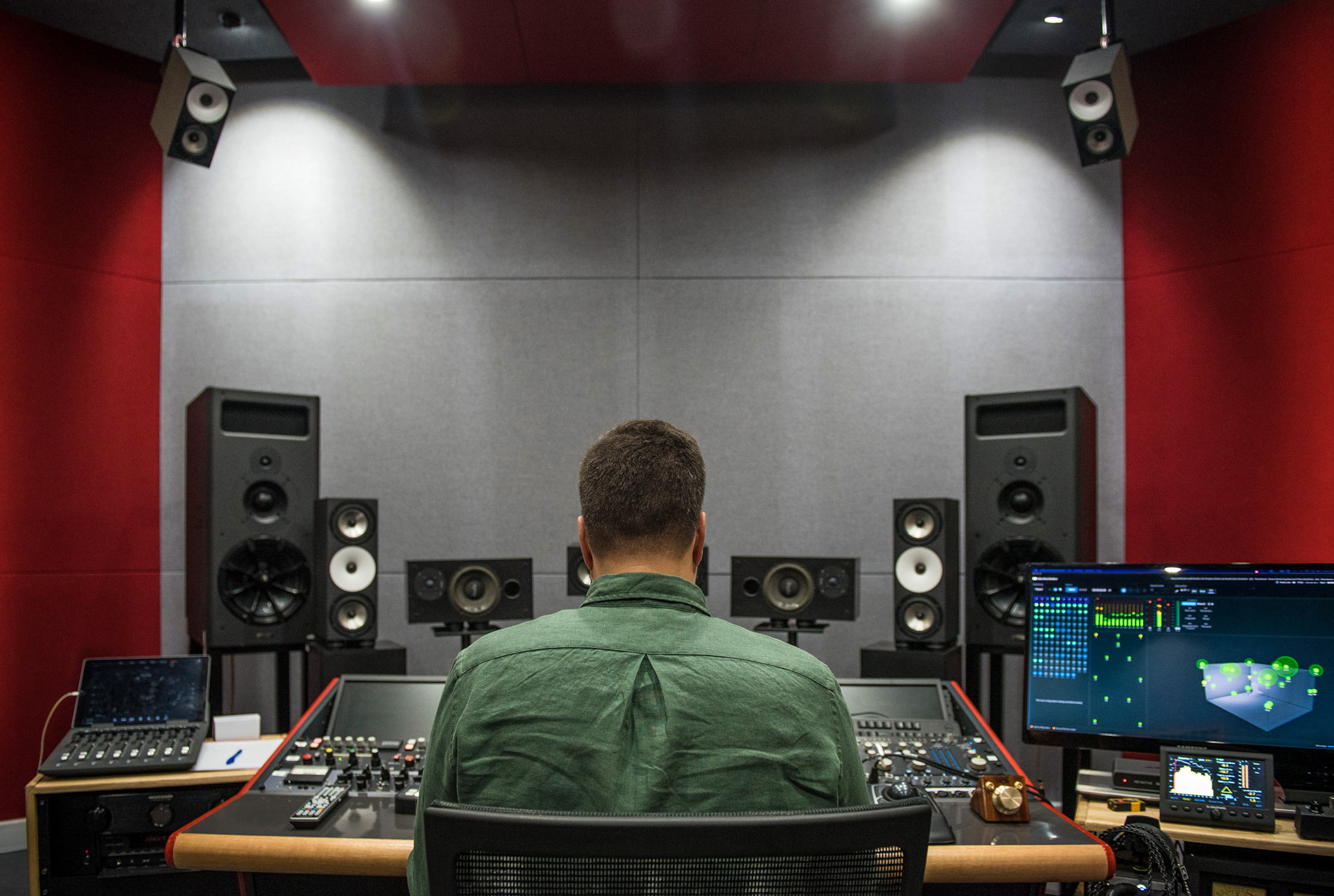
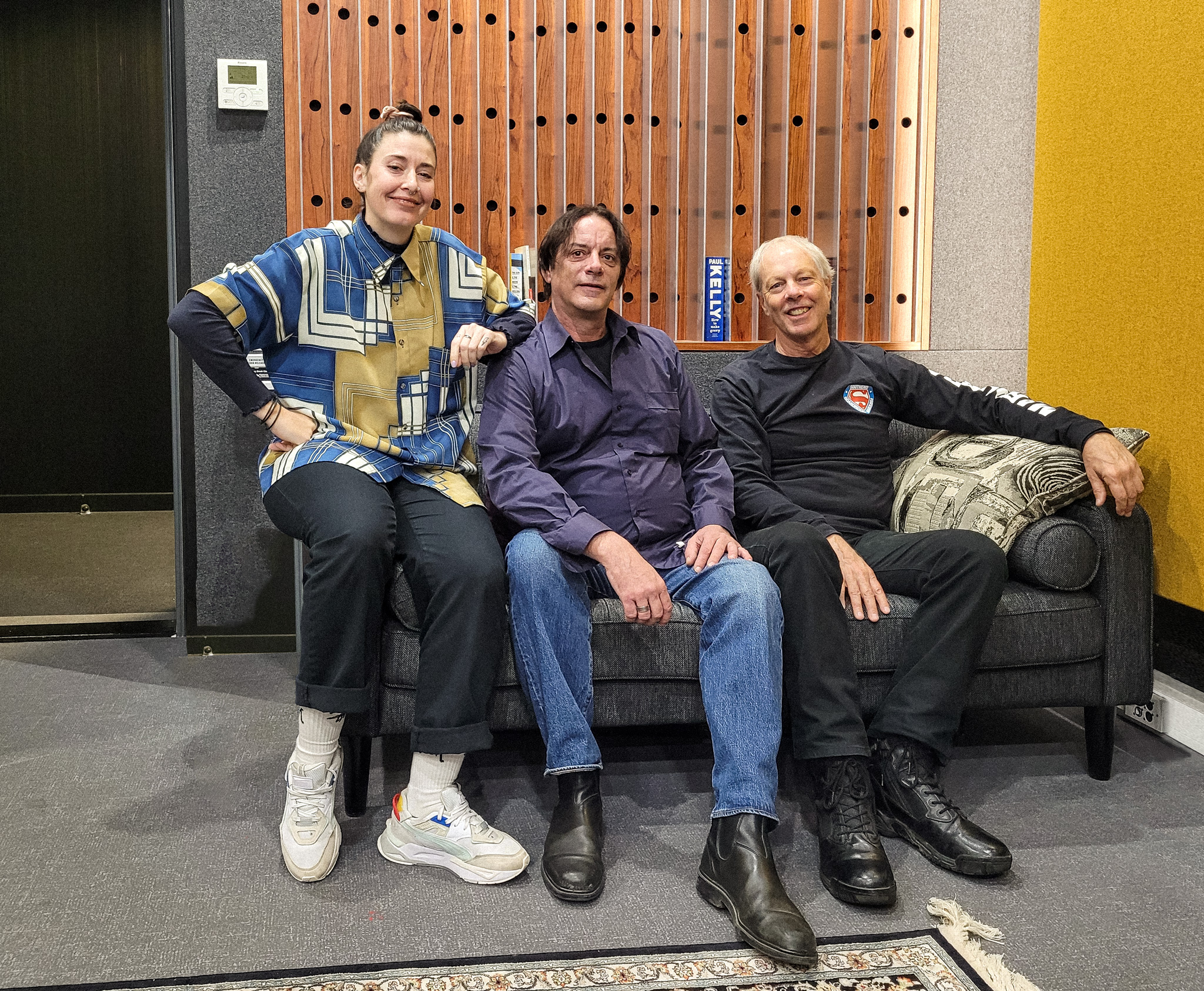
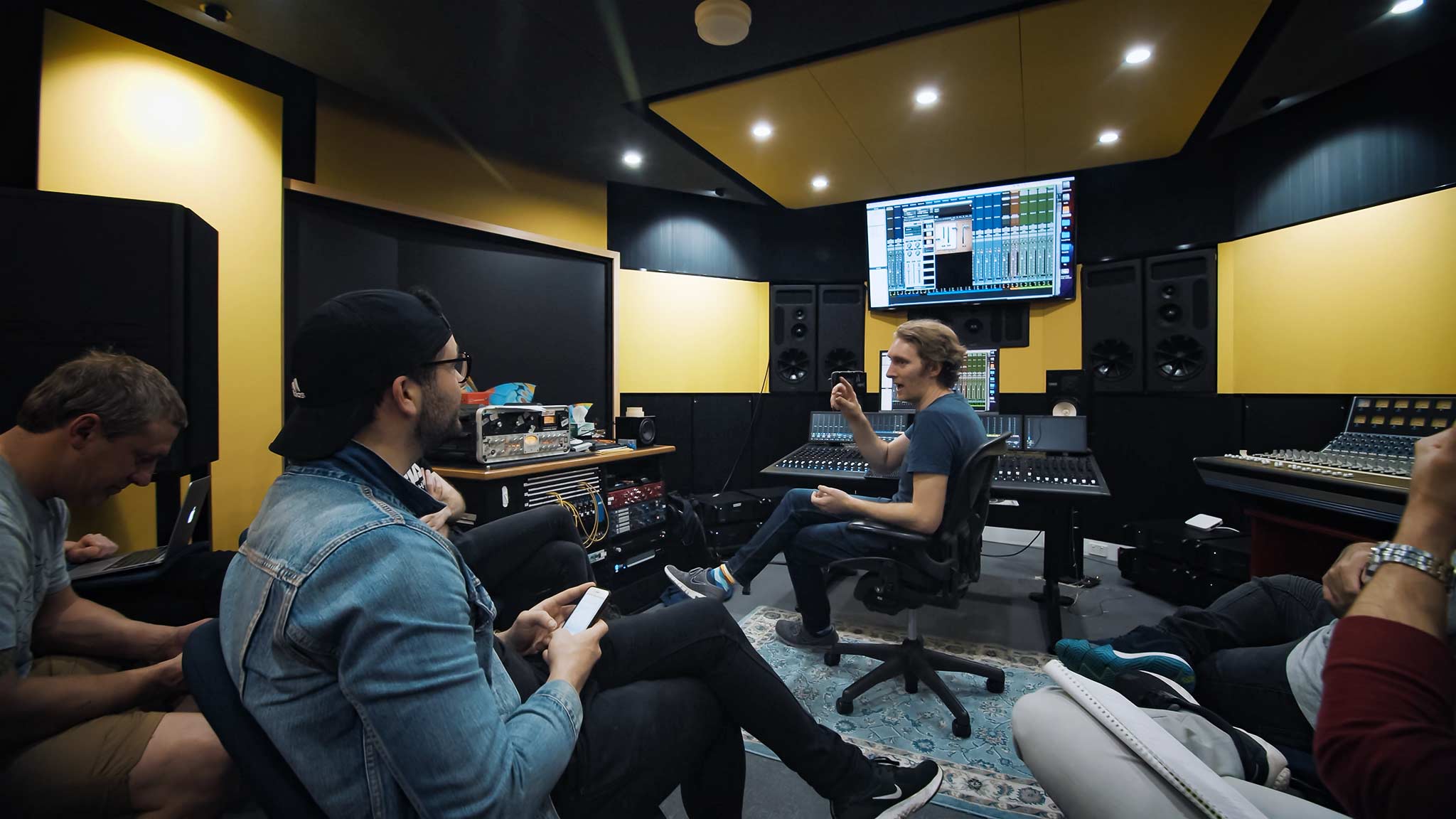
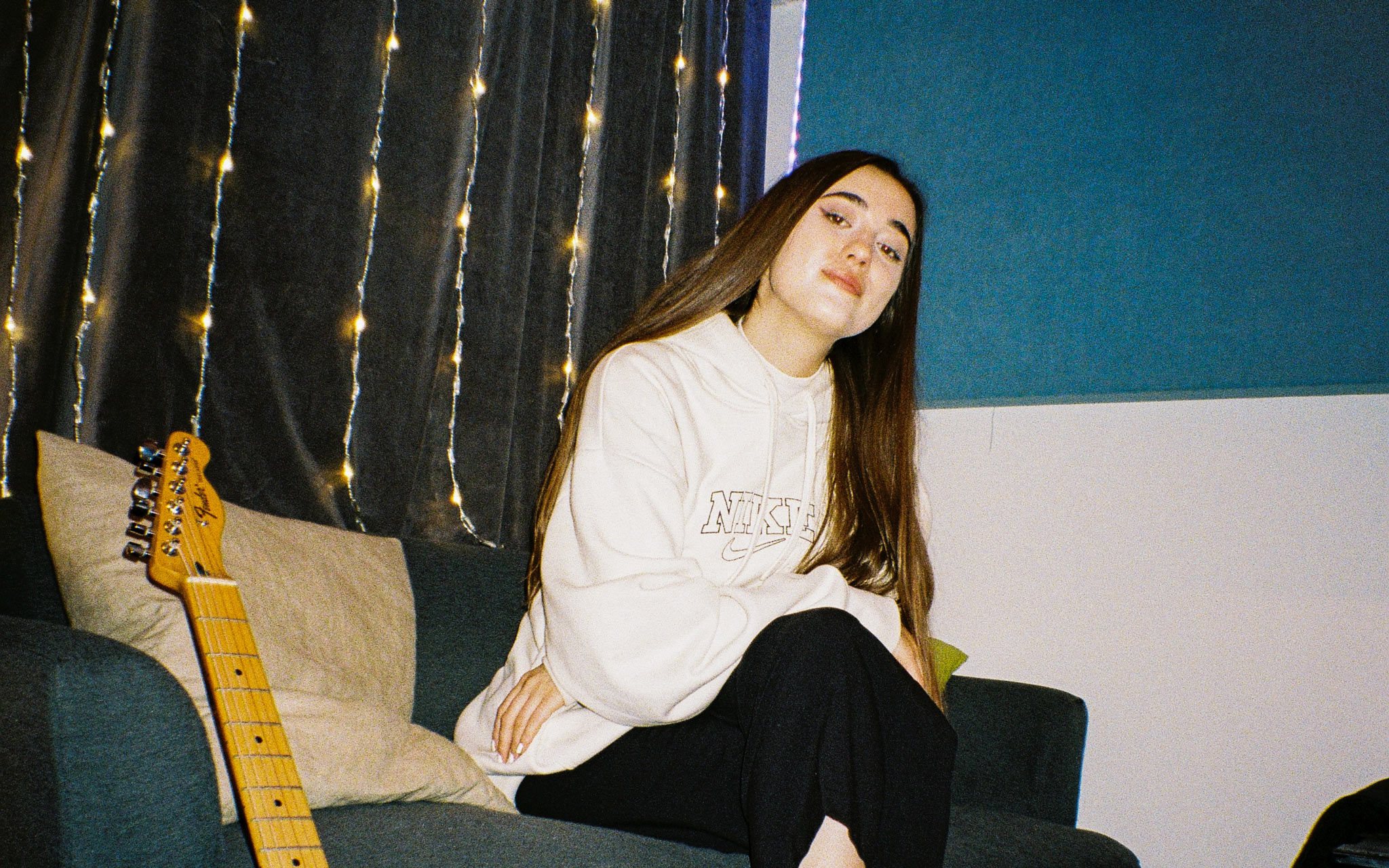
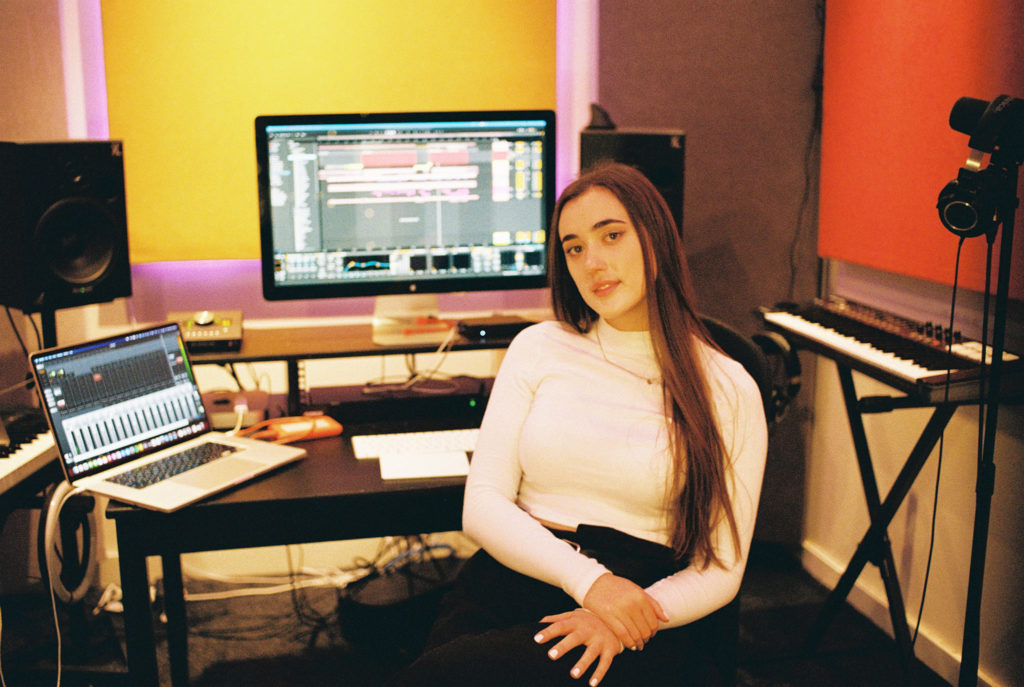
Studios 301 has a new home: a recording studio in Sydney’s Surry Hills. After a century shaping the sound of Australian music, 301 is now on Riley Street, with a space designed for the way records get made today. Fast, focused, and with the same standard that’s defined the studio since 1926.
Here’s what the space offers and what it means for your next project.
Why Studios 301 Moved to a New Recording Studio in Surry Hills
Studios 301 has operated continuously since 1926, from early recording facilities to the large-format tracking rooms that earned 301 its reputation as the Southern Hemisphere’s premier recording destination.
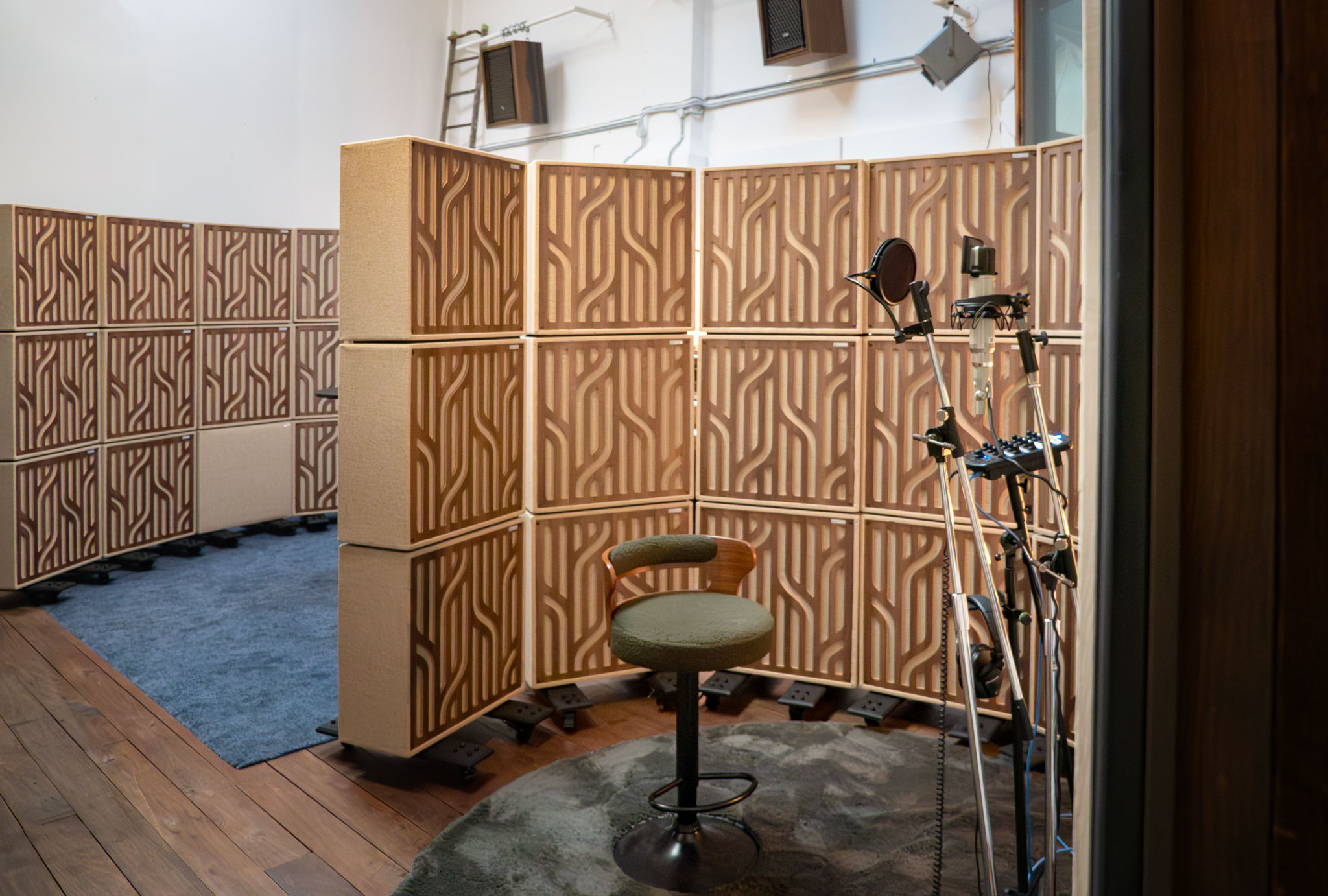
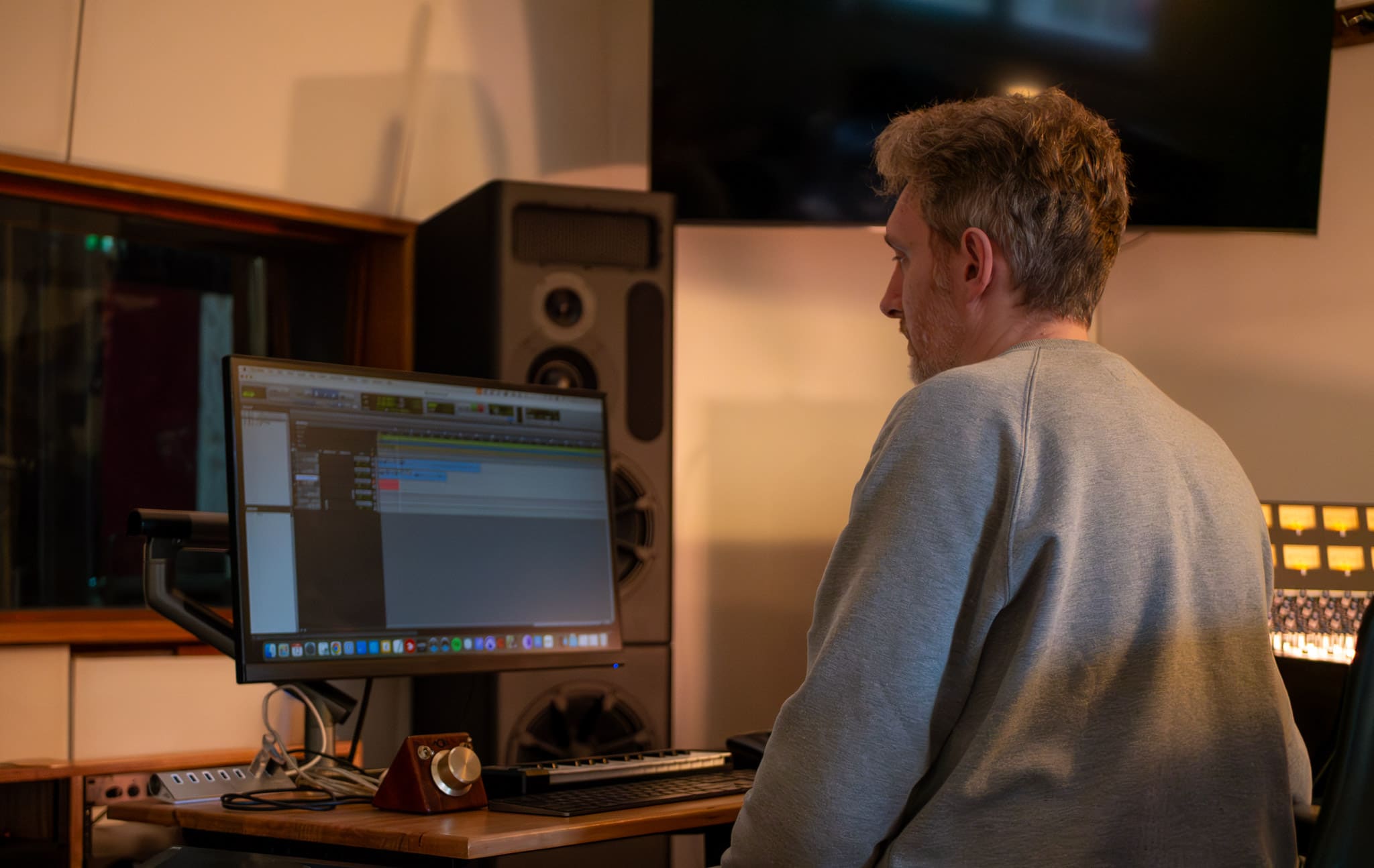
Now, that legacy has a new home. 301 Surry Hills is a studio built around what artists and producers actually need today: a space you can walk into and start working without a lengthy setup, where writing sessions and vocal production happen in a room tuned for focus, and where the environment is as creatively inviting as it is acoustically precise.
“We’re doubling down on what artists value most: speed, vibe, and results. This studio brings 301’s standards to a central, intimate space where ideas move quickly and sound incredible.”
Stefan Du Randt, General Manager, Studios 301
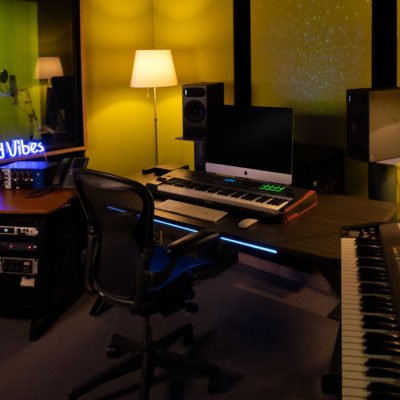
The studio occupies the top floor of 259 Riley Street, in the centre of Sydney’s creative precinct. Surry Hills is already home to a concentration of artists, producers, managers, and labels, and now it has a world-class recording studio to match.
Inside Sydney’s Newest Professional Recording Studio
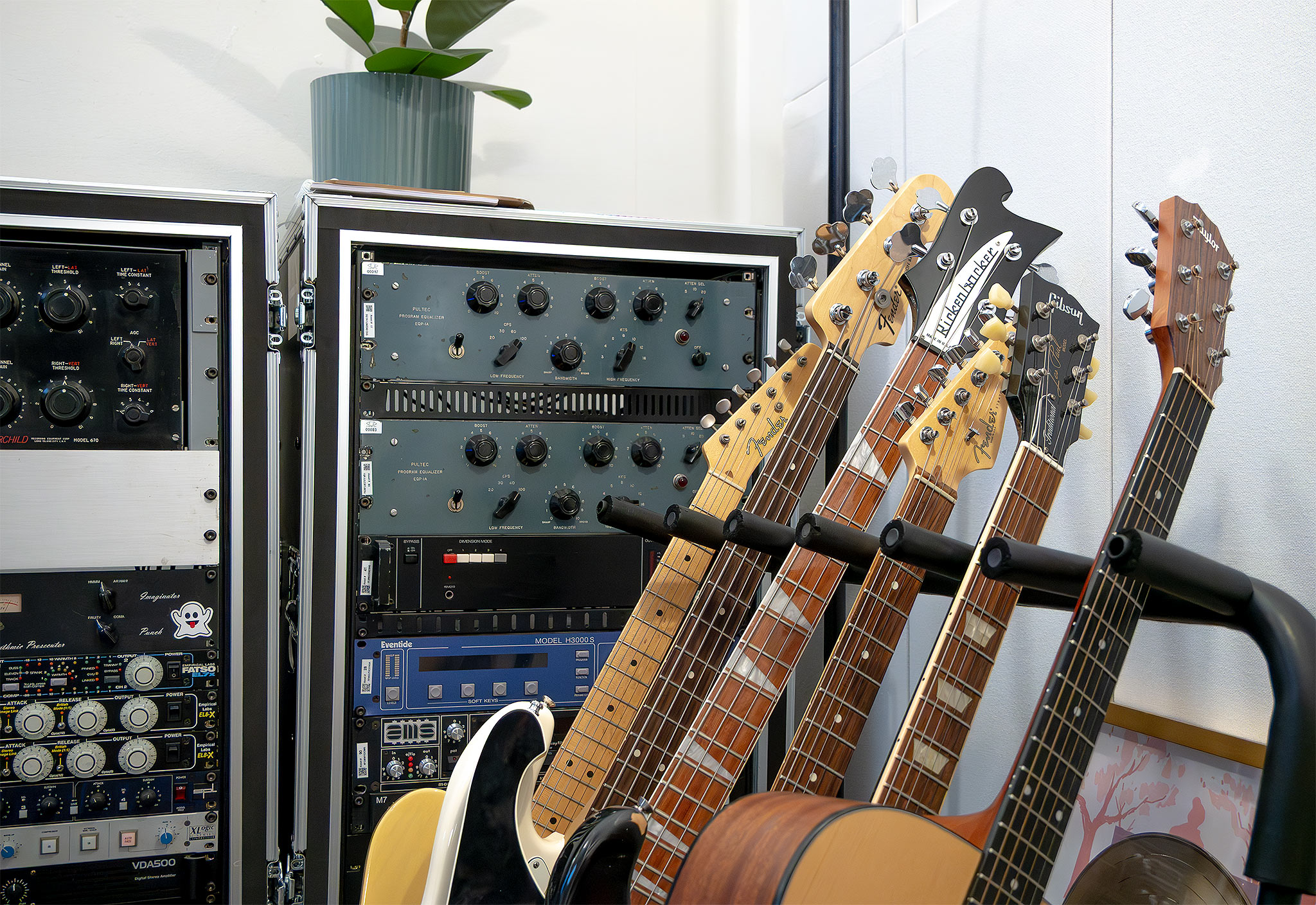
The Surry Hills space has been fitted out with acoustic consultation from SDP LA and refined for the workflows that define modern recording: writing, vocal production, mixing, and production.
Every detail, from acoustic treatment to signal flow, was considered with one question in mind: does this help the artist make better music, faster?
A Recording Studio Built for Modern Music Production
Modern sessions move fast. 301 Surry Hills was set up around that reality.
Writing and production. The room is ready for artists and producers to move from an idea to a polished demo without switching spaces. The monitoring and acoustics are tuned for critical listening, but the environment is comfortable enough for long creative sessions.
Vocal tracking. Studios 301 has built its reputation partly on vocal production, with Simon Cohen’s vocal recording masterclasses drawing engineers and producers from across Australia. The Surry Hills room continues that tradition with a treated vocal area designed for intimate, detailed performances.
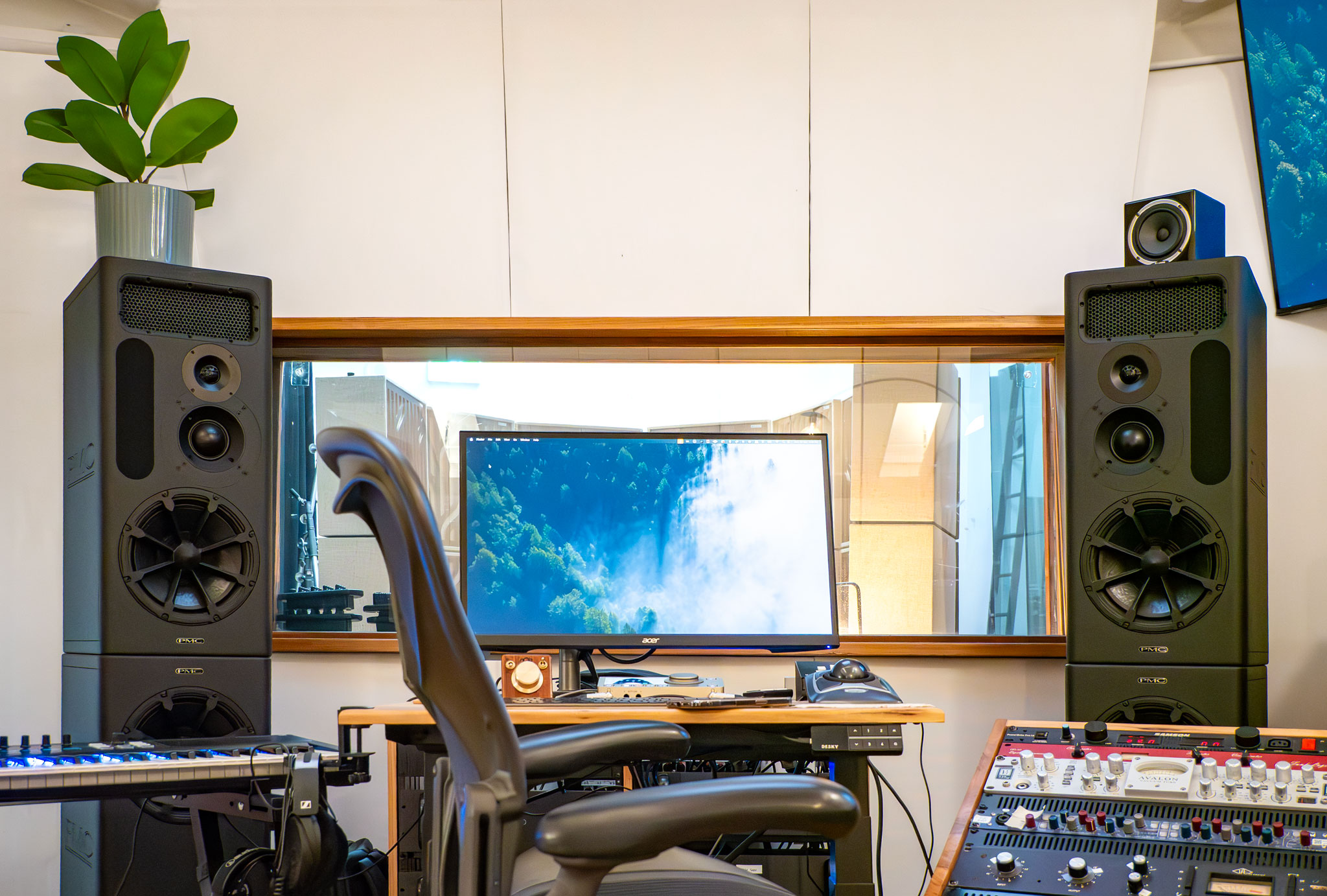
Mixing. Precision monitoring in a carefully treated acoustic environment. The room delivers accurate translation across playback systems, so your mix sounds the way you intended wherever it’s heard.
Speed. The studio is session-ready with minimal setup time. Walk in, plug in, and start working. That’s the promise.
Nearly a Century of Experience Behind Every Session
The space is new, but the expertise behind it is anything but. Studios 301 has been behind countless landmark recordings, and the team at Surry Hills brings decades of collective experience across every genre, from orchestral film scores to chart-topping pop.
For a limited time, we’re offering competitive weekend rates to help you experience the space. Whether you’re working on a single, an EP, or just want to hear how the room sounds with your music in it, this is a great time to book.
Ready to get started? Whether you’re an artist looking for your first session, a producer who wants to test the room, or a label manager booking for your roster, get in touch. Call 02 9698 5888, email us, or book a session or schedule a tour to see the space in person.
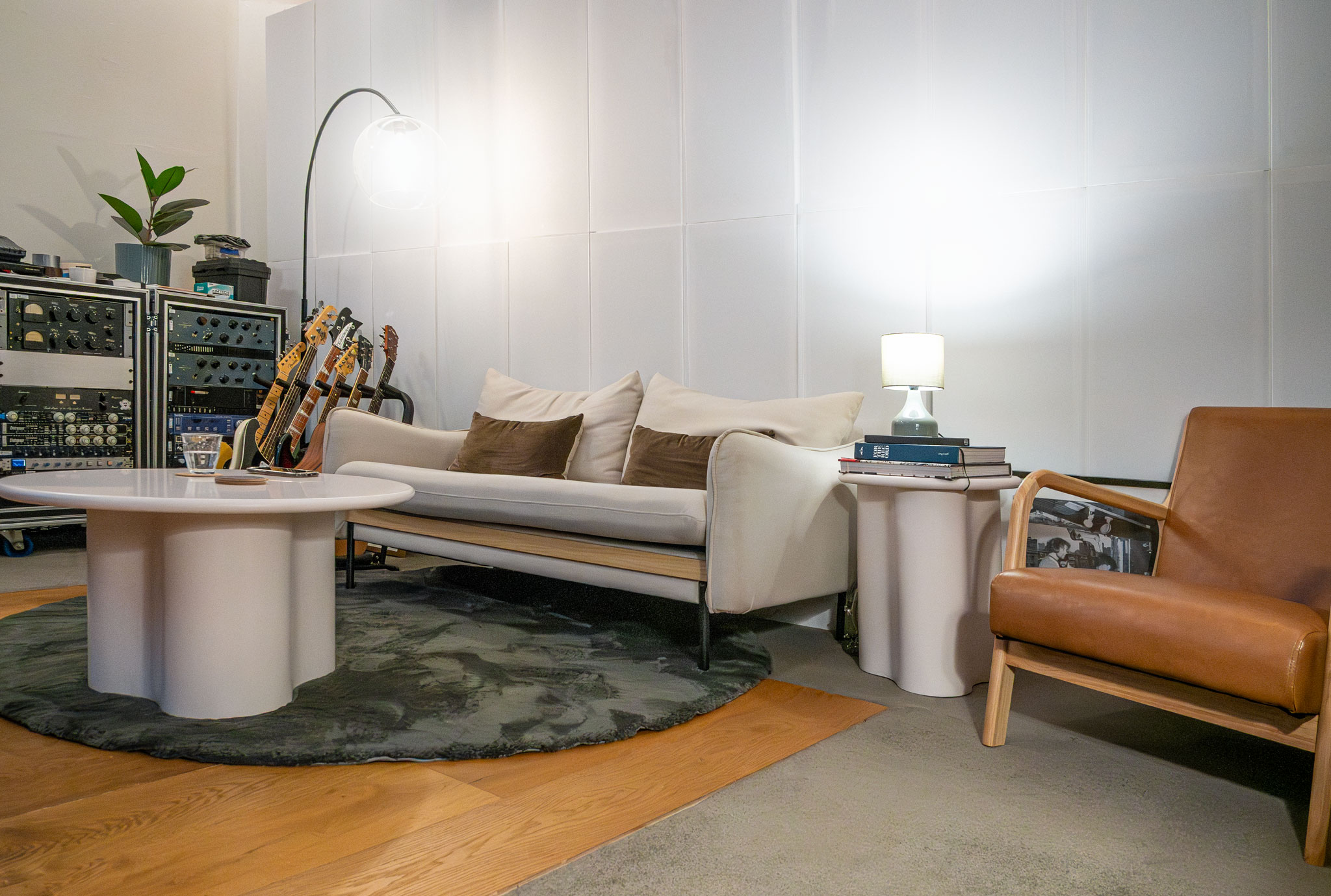
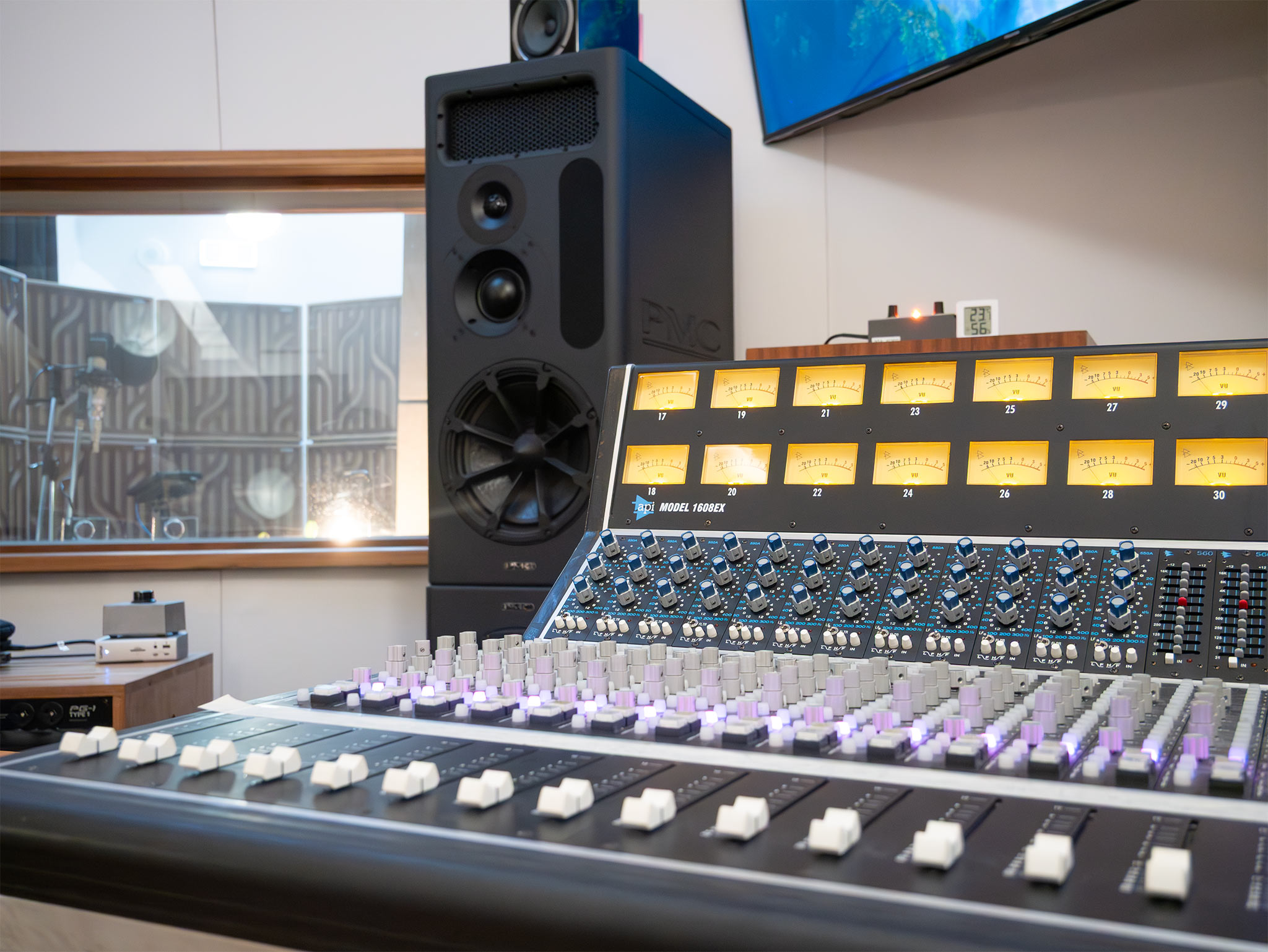
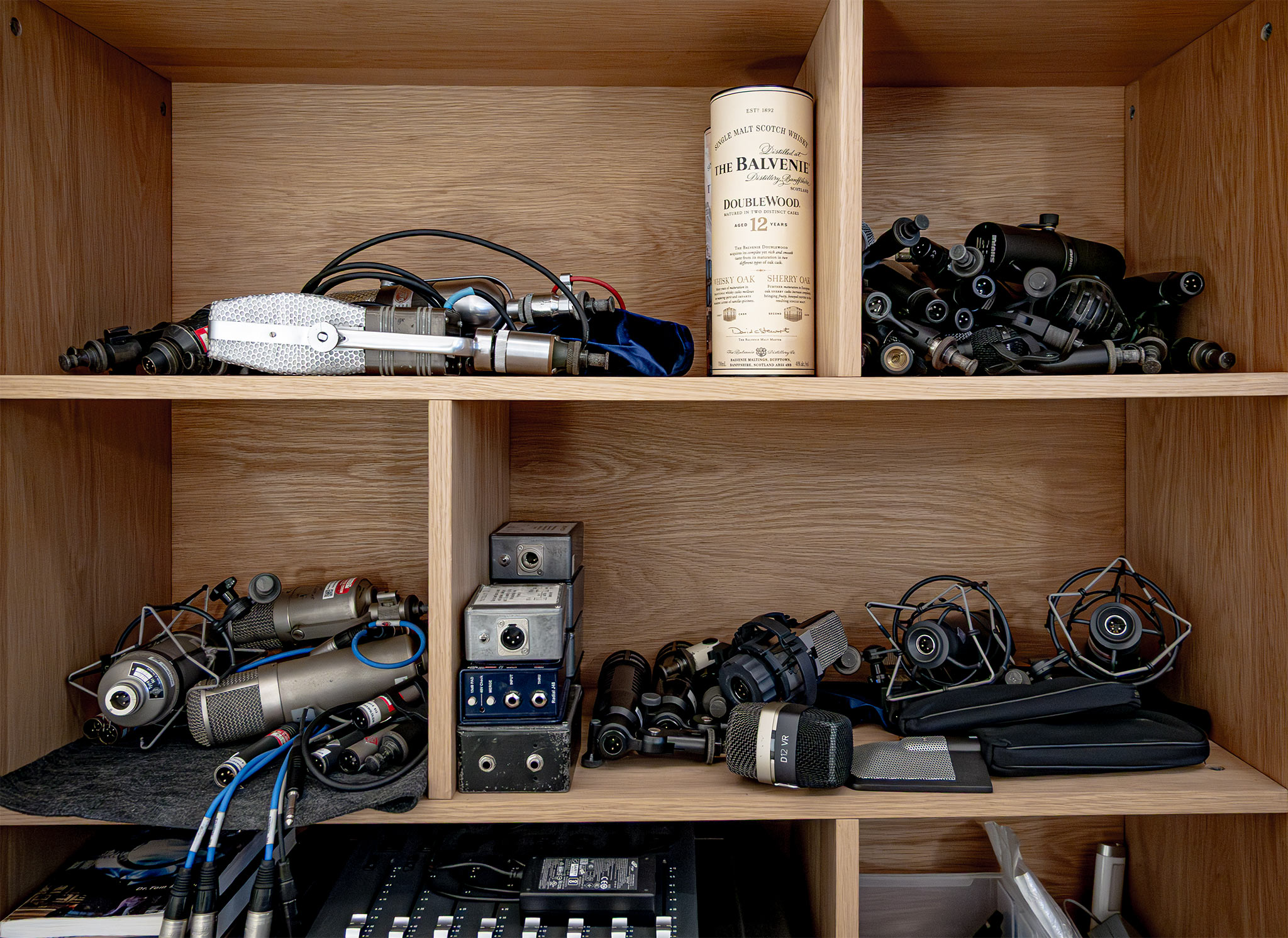
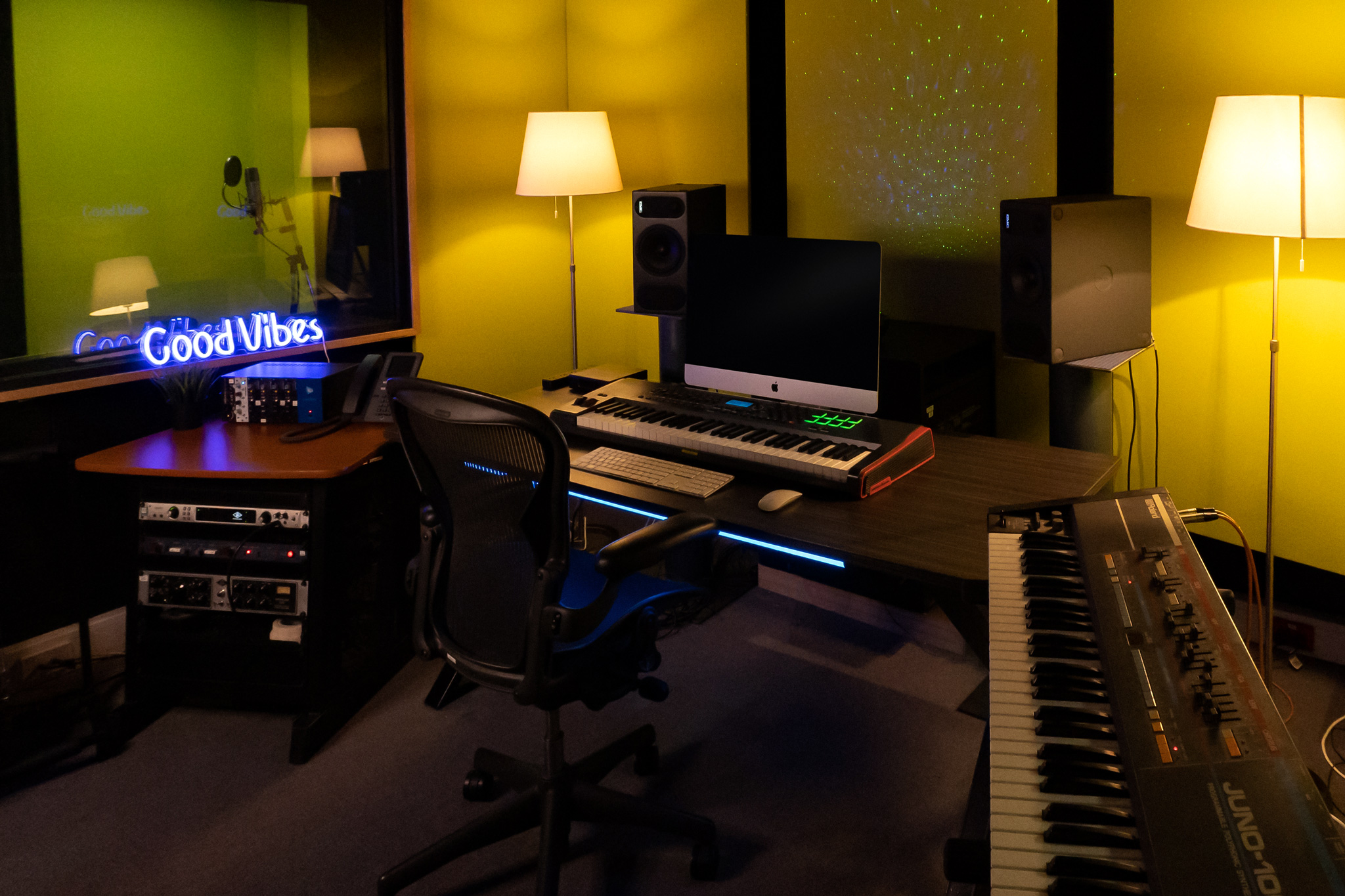
Upright PianoVocal Production SetupLounge area in Control RoomControl RoomAPI 1608 Side carLoungeInstruments available on requestVintage and modern mic selection
Frequently Asked Questions
Can I bring my own engineer, or do I need to use a 301 engineer? Both options are available. You can book the room with one of our in-house engineers, or bring your own. If no 301 engineer is booked with the session, a studio assistant will need to be on site. Contact us for more details.
What is the minimum booking? The minimum booking is 3 hours. We also offer full-day and multi-day block bookings. Contact us for availability and rates.
Where is 301 Surry Hills and is there parking nearby? We’re on the top floor at 259 Riley Street, Surry Hills NSW 2010. Street parking and paid parking stations are available nearby. Central Station is a short walk away.
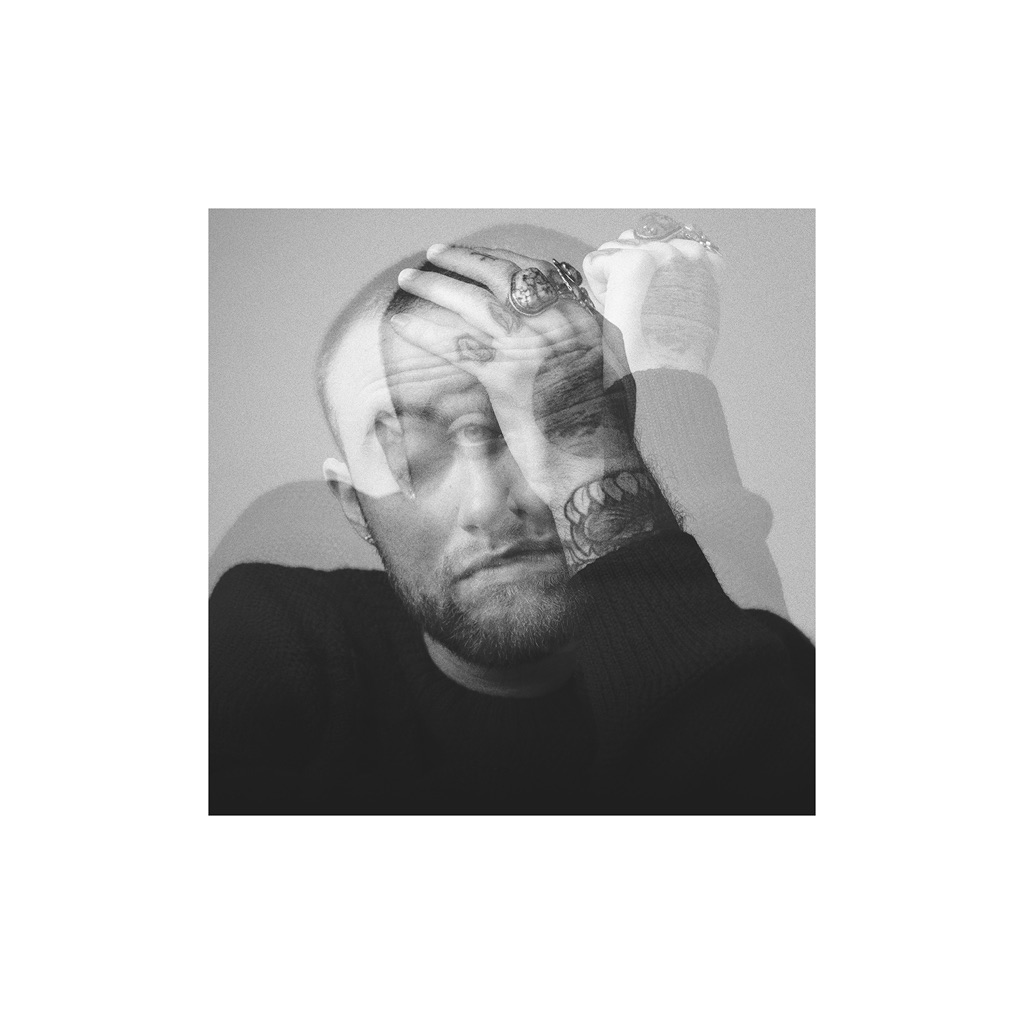
When Mac Miller passed away in September 2018, he left behind a nearly finished album. The team entrusted with completing Circles had to honour an artist who could no longer speak for himself. Every decision in the studio carried weight. Stefan Du Randt was the recording engineer on “Hand Me Downs,” one of the album’s standout tracks.
Circles debuted at #3 on the Billboard 200, has been certified Platinum in the US, and went on to win a Grammy in 2022 as part of Mac Miller’s boxed set release. It is widely regarded as one of his finest records.
Stefan started his career in Johannesburg, South Africa, engineering records for acts like Die Antwoord and Spoek Mathambo before relocating to Sydney in 2015. Two decades of work across three continents earned him the Music Producers and Engineers Guild’s Mixing Engineer of the Year award two years running.
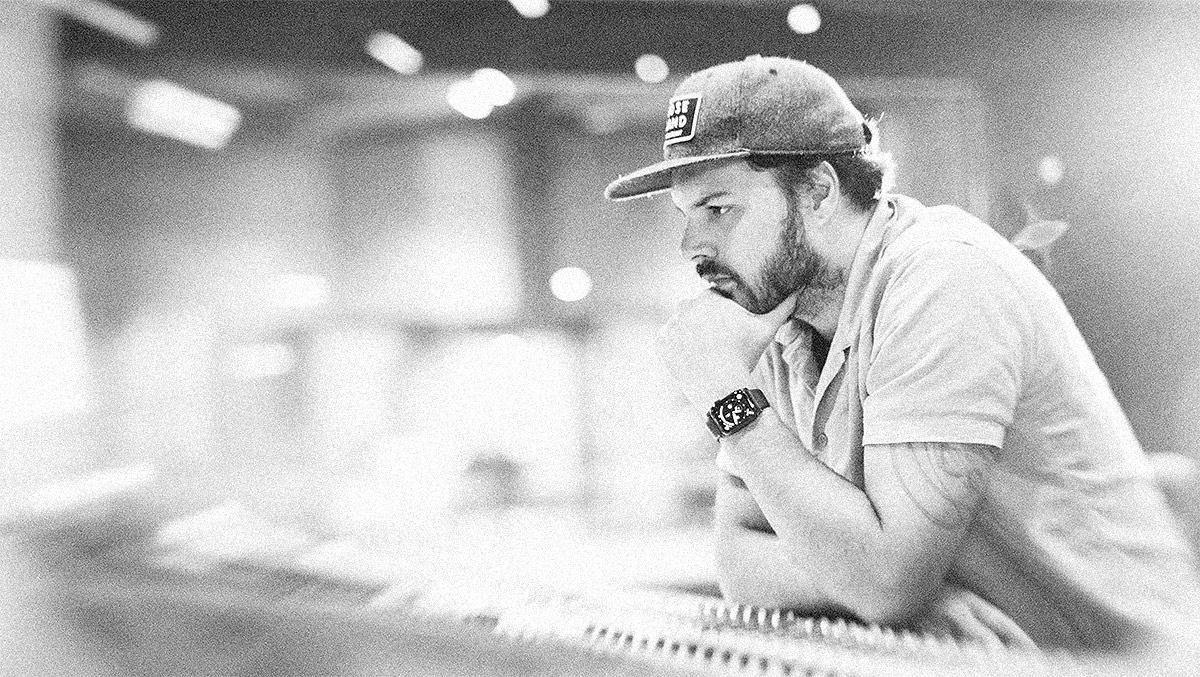
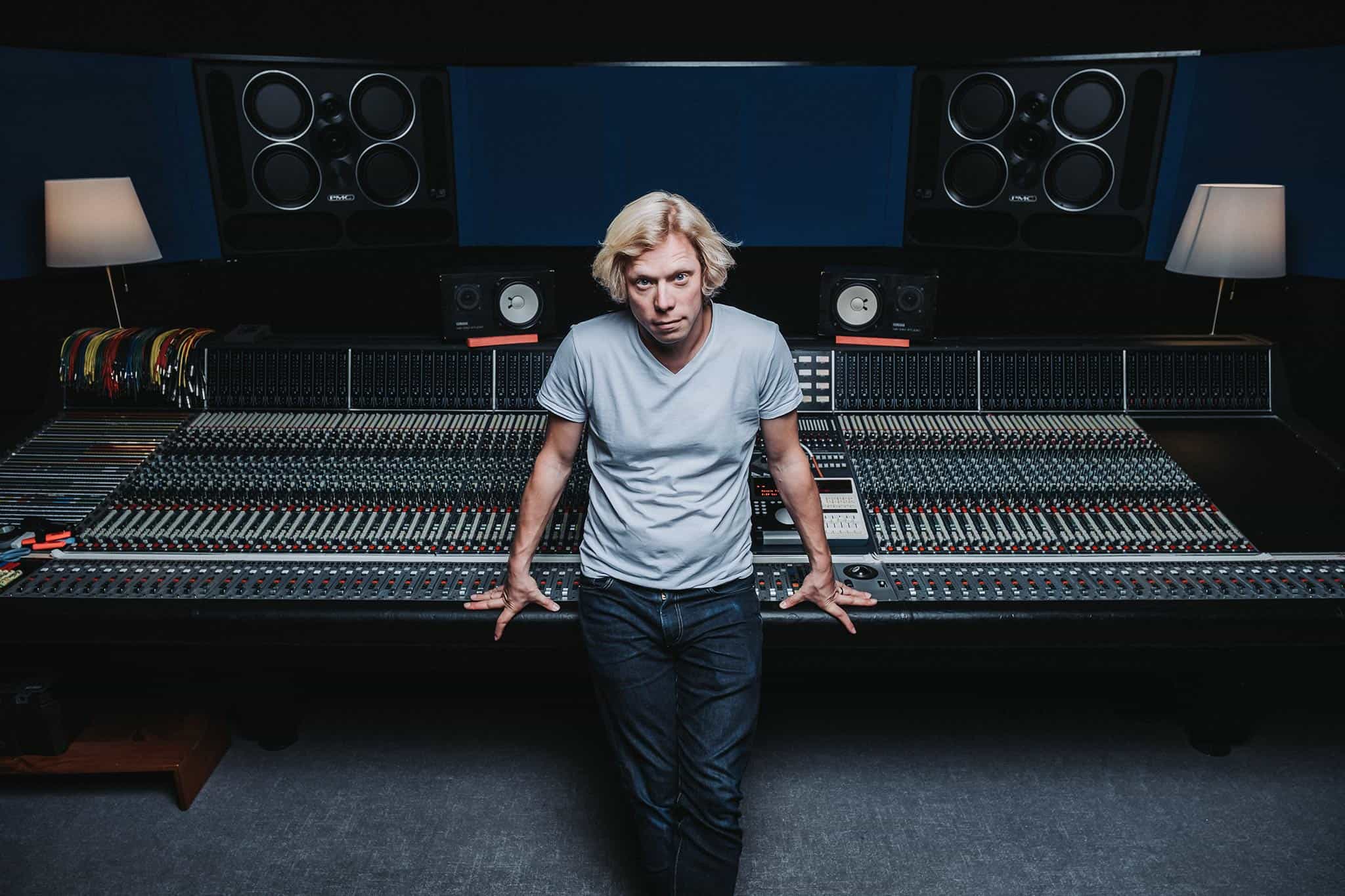
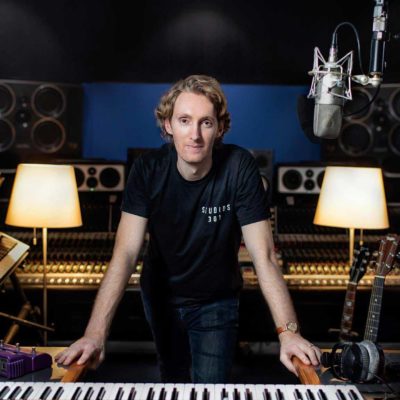
Today, Stefan is at Studios 301, where he serves as Recording, Mixing and Dolby Atmos Engineer and General Manager. What makes him unusual is that he doesn’t just do one thing. He records, produces, mixes, and delivers Atmos mixes, all with the same level of care. For clients, that means one person can take a project from the first take through to the final master, and nothing gets lost in translation between stages.
That continuity matters.
When the person who tracked your vocals also understands how they’ll sit in the final mix, or how they’ll translate into an Atmos environment, the result is more cohesive. Stefan has completed over 150 Atmos mixes, so he’s thinking about that dimension from the moment he sets up a microphone.
His credits reflect his range:
Mac Miller Circles #3 Billboard 200, Platinum US
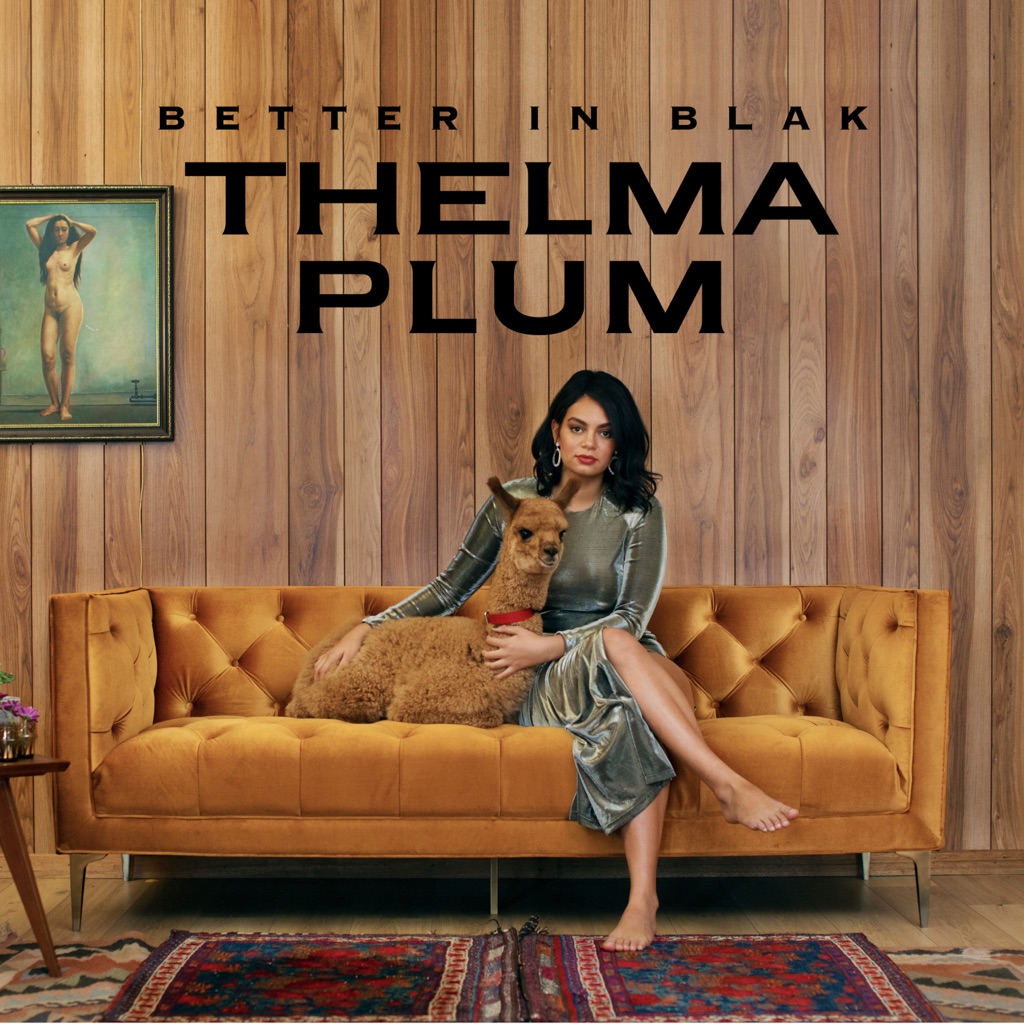
Thelma Plum Better in Blak 6x ARIA nominated incl. Album of the Year
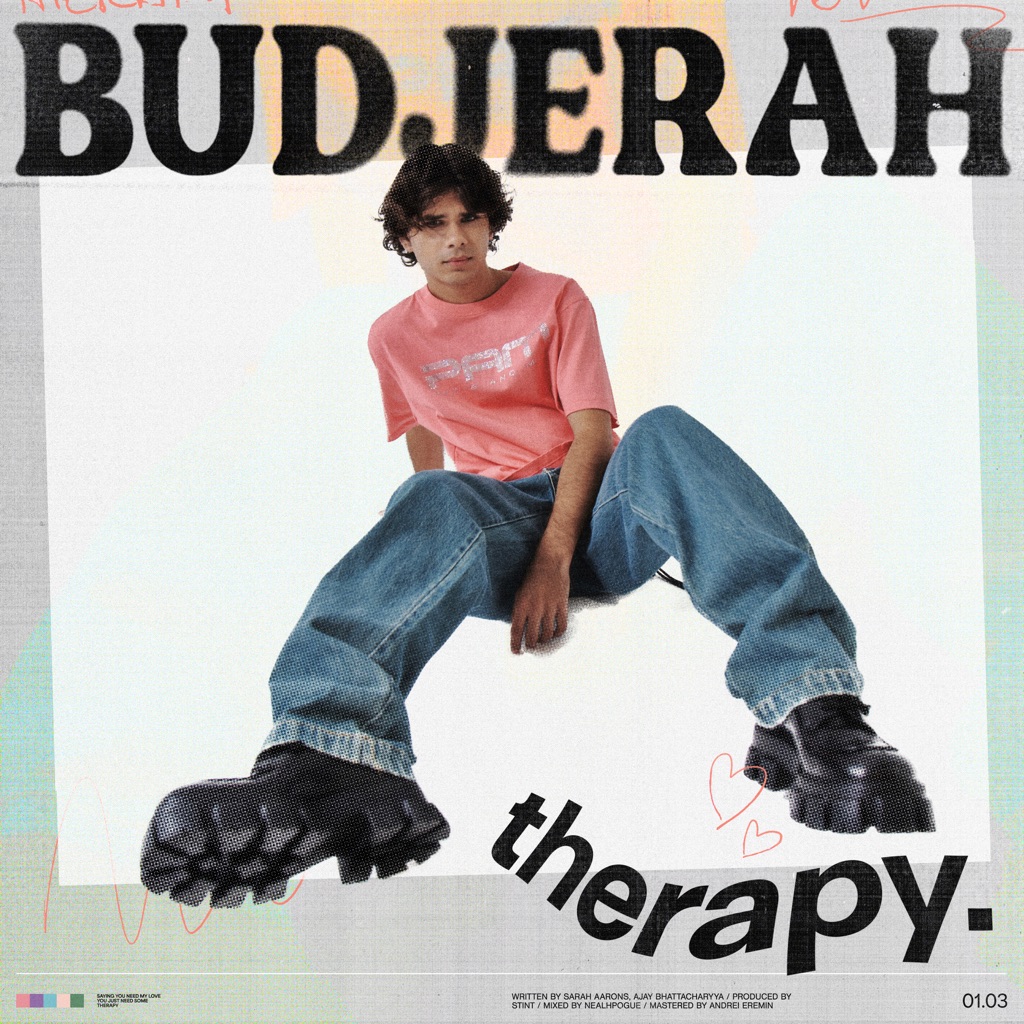
Budjerah Therapy ARIA nominated Song of the Year
Jessica Mauboy Yours Forever ARIA nominated Best Pop Release
DOBBY Warrangu: River Story ARIA Award, Best World Music Album
Kimbra A Reckoning Dolby Atmos mix
Jet Hurry Hurry Dolby Atmos mix
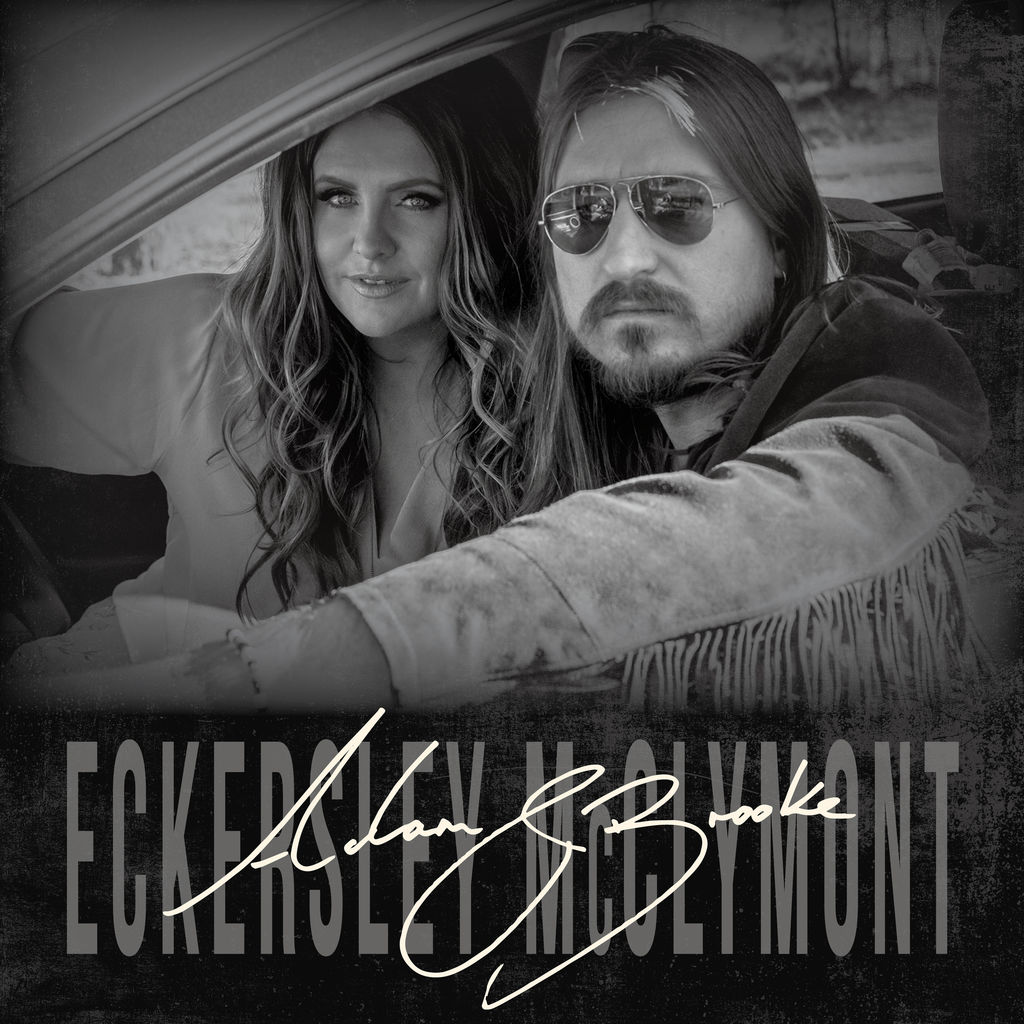
Adam Eckersley & Brooke McClymont Adam & Brooke ARIA nominated Best Country Album
Esoterik My Astral Plane ARIA nominated Best Urban Album
He’s also worked in various roles, from assistant to recording engineer, on recording sessions with Coldplay, Katy Perry, Zedd, Wolfmother, Elton John, Daniel Johns, Vera Blue, and Peking Duk. Across his career, Stefan’s credits have accumulated over 500 million combined streams.
Want to book a recording, production or mixing session?
A decade ago, Justin Bieber released “Love Yourself.” It went on to spend 23 consecutive weeks in the Billboard Hot 100 top 10 from debut, setting a record at the time, and has since become one of the most streamed songs in history.
Studios 301’s own Simon Cohen was the vocal producer on the track. His job was to shape the vocal performance: working with the artist to find the right tone, the right delivery, and the emotional clarity that made the song connect with millions of listeners worldwide.
It’s the same approach Simon brings to every session. Whether he’s producing vocals for a global pop release or an independent debut, his focus is on drawing out the best possible performance and making the vocal sit exactly where it needs to in the mix.
Since then, Simon’s credits have grown to include:
Genesis Owusu Smiling with No Teeth 3x ARIA winner
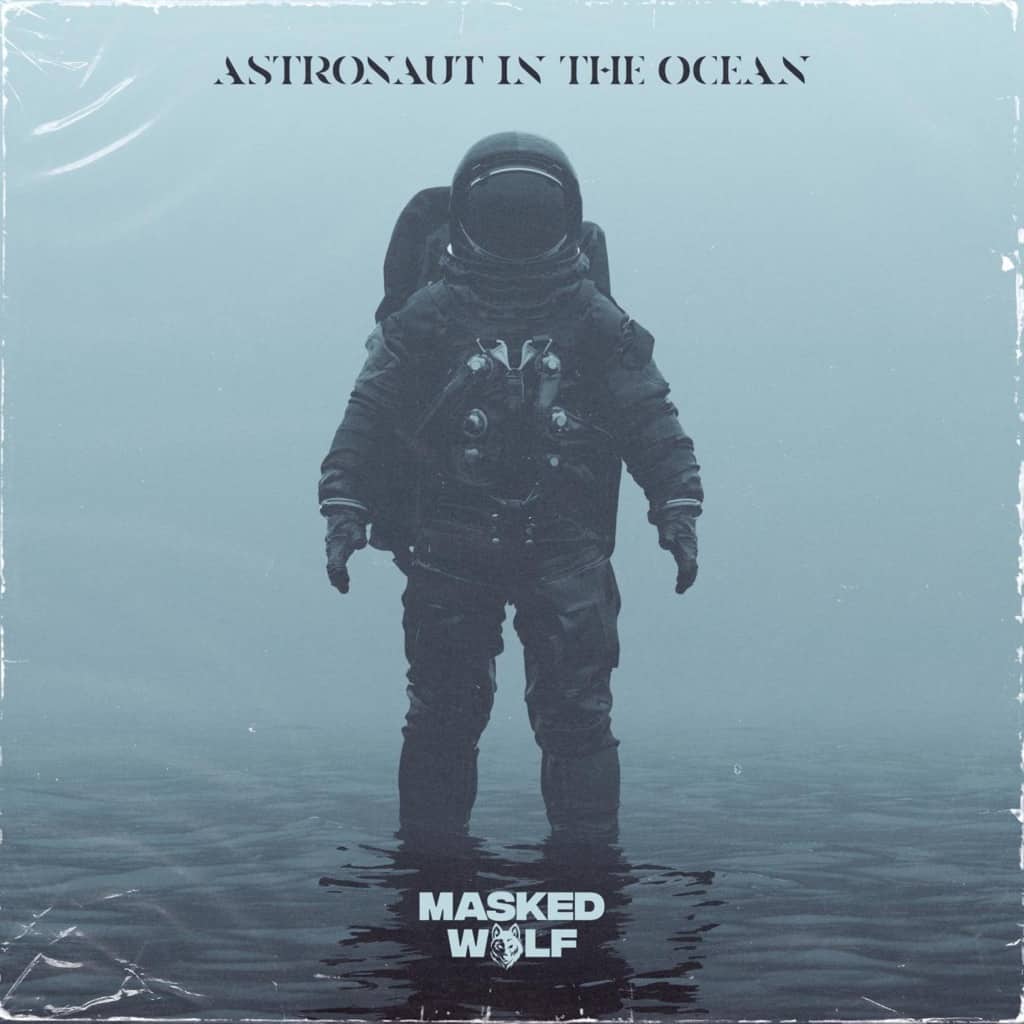
Masked Wolf Astronaut In The Ocean ARIA nominated & over 1 billion streams
Thelma Plum Better in Blak 4x ARIA nominated, Queensland Music Awards Winner
Illy Then What ARIA nominated “Best Hip Hop Release 2019”
Jessica Mauboy Yours Forever ARIA nominated “Best Pop Release 2024”
Today, Simon works out of Studios 301 in Surry Hills, where his practice has expanded to include artist development, songwriting, and full track production alongside his vocal production and mixing work.
“Simon has this incredible ability to bring out the best in me during the recording process and bring out the specific vision I was after in the mix and my vocals. […] He made me feel so comfortable and confident in expressing myself. He’s also half-comedian half-engineer which makes sessions that much more fun.”
Stara
Artist
Want to work with Simon? Whether you need vocal production, mixing, or help bringing a song to life, get in touch.
We’re excited to announce the opening of our new studio space in Surry Hills: a right-sized, purpose-built studio created in collaboration with SDP LA (Trent Reznor, Zedd, Billie Eilish & Finneas). The new space marks the first step in a strategic move from the previous large facility to a focused, modern room tailored to today’s production workflows.
“We’re doubling down on what artists value most: speed, vibe, and results. This studio space brings 301’s standards to a central, intimate space where ideas move quickly and sound incredible.”
Stefan Du Randt – General Manager, Studios 301.
Located in Surry Hills, the studio offers an artist-first environment optimised for writing, production, vocal tracking and mixing.
Studios 301 is thrilled to welcome multiple ARIA and APRA award-winning producer and songwriter Audius Mtawarira to our extended roster!
A well-known and respected name in the Australian music industry, Audius has played a pivotal role in the success of many Australian artists. Working with an impressive list of local and international artists, his credits include the likes of Delta Goodrem, Flo Rida, Jessica Mauboy, Rahsaan Patterson, Iyaz, Ricki Lee Coulter, Stan Walker, Shasha, Dj Fresh and more.
Audius’ addition to our extended producer roster further strengthens our already impressive team of engineers and technical experts.
Here’s what Audius had to say:
“I’m honoured and excited to be joining the 301 team. Undoubtedly the most reputable establishment in the audio recording industry in Australia, Studio 301 has been and continues to provide an essential service to recording artists. I am thrilled to add my wealth of knowledge and experience, and I look forward to the time ahead with this great team.”
If you’re an upcoming artist looking for a producer who can help you take your music to the next level, or if you’re an established artist looking for a fresh perspective, Audius is the perfect person to bring your creations to life. With his guidance and mentorship, you can trust that your music will be in good hands. Welcome to the family, Audius!
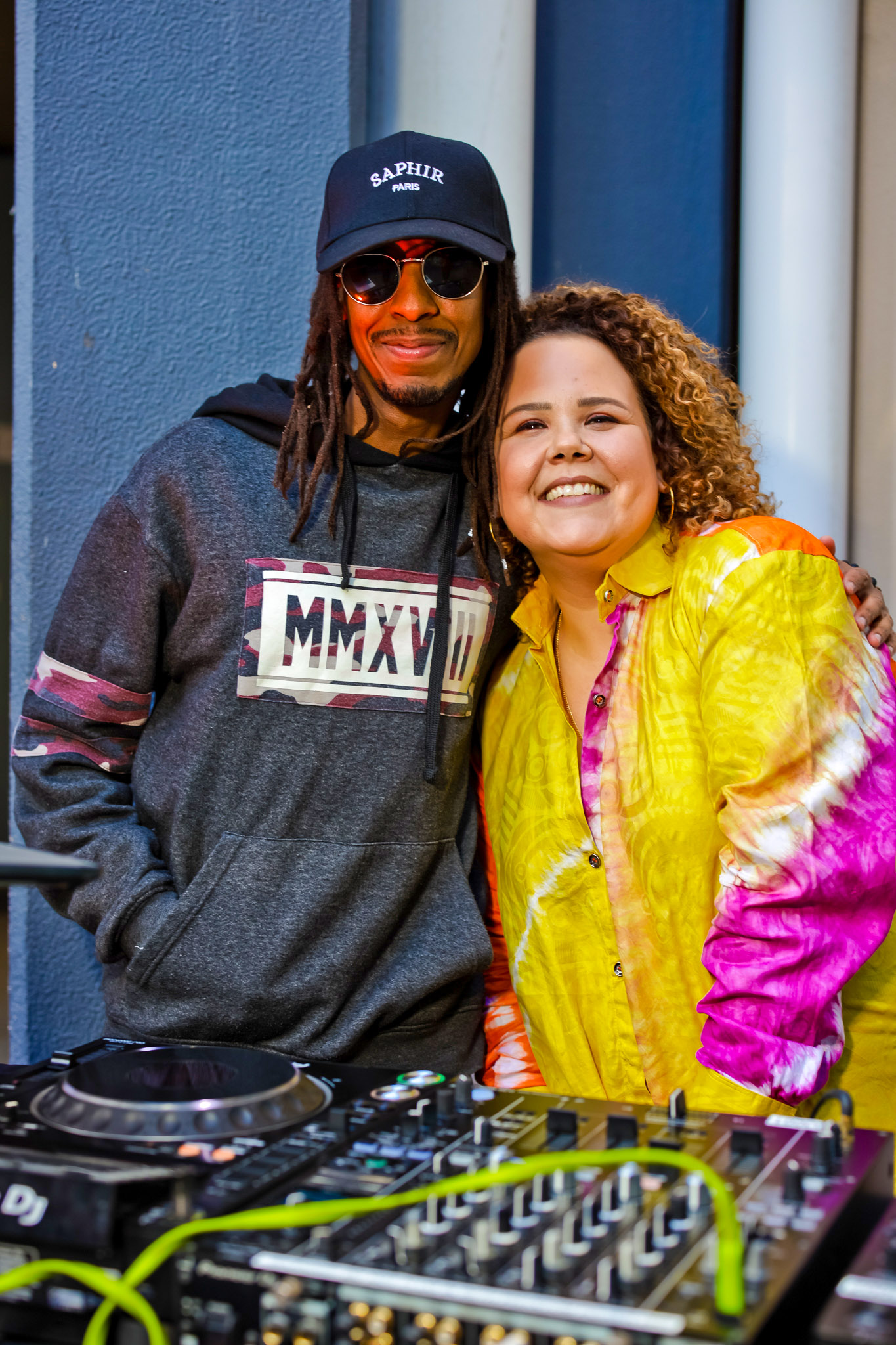
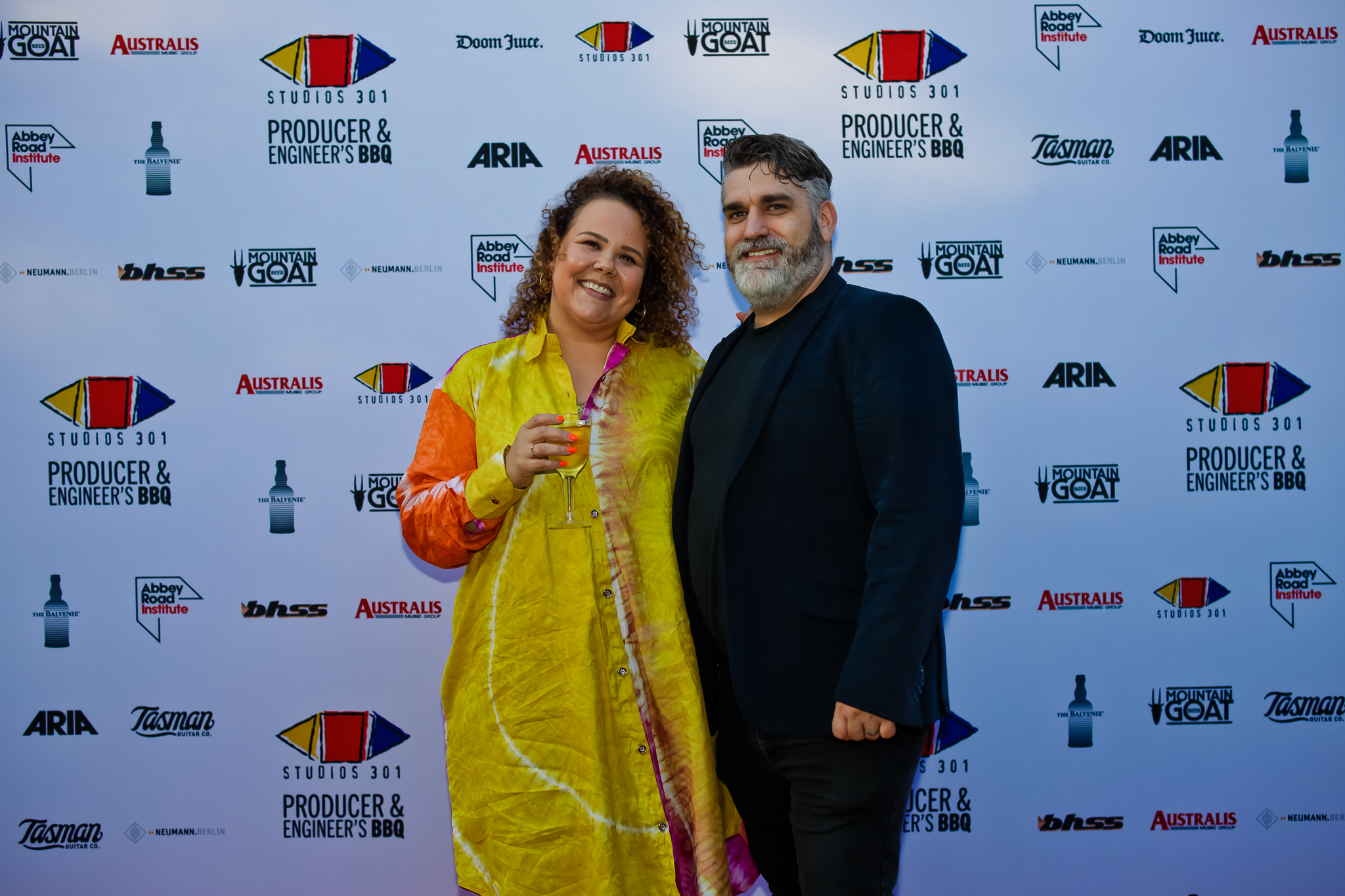
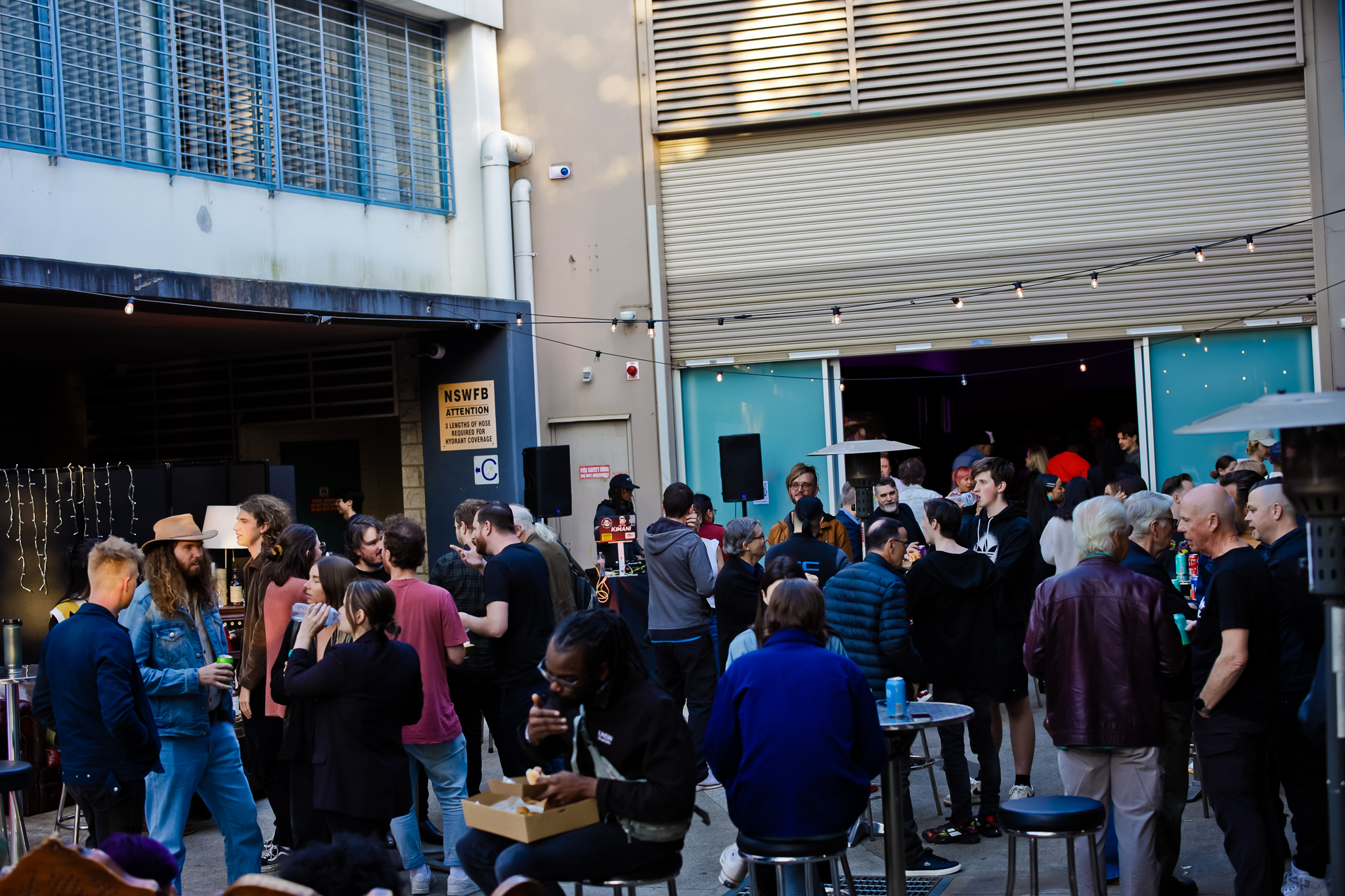
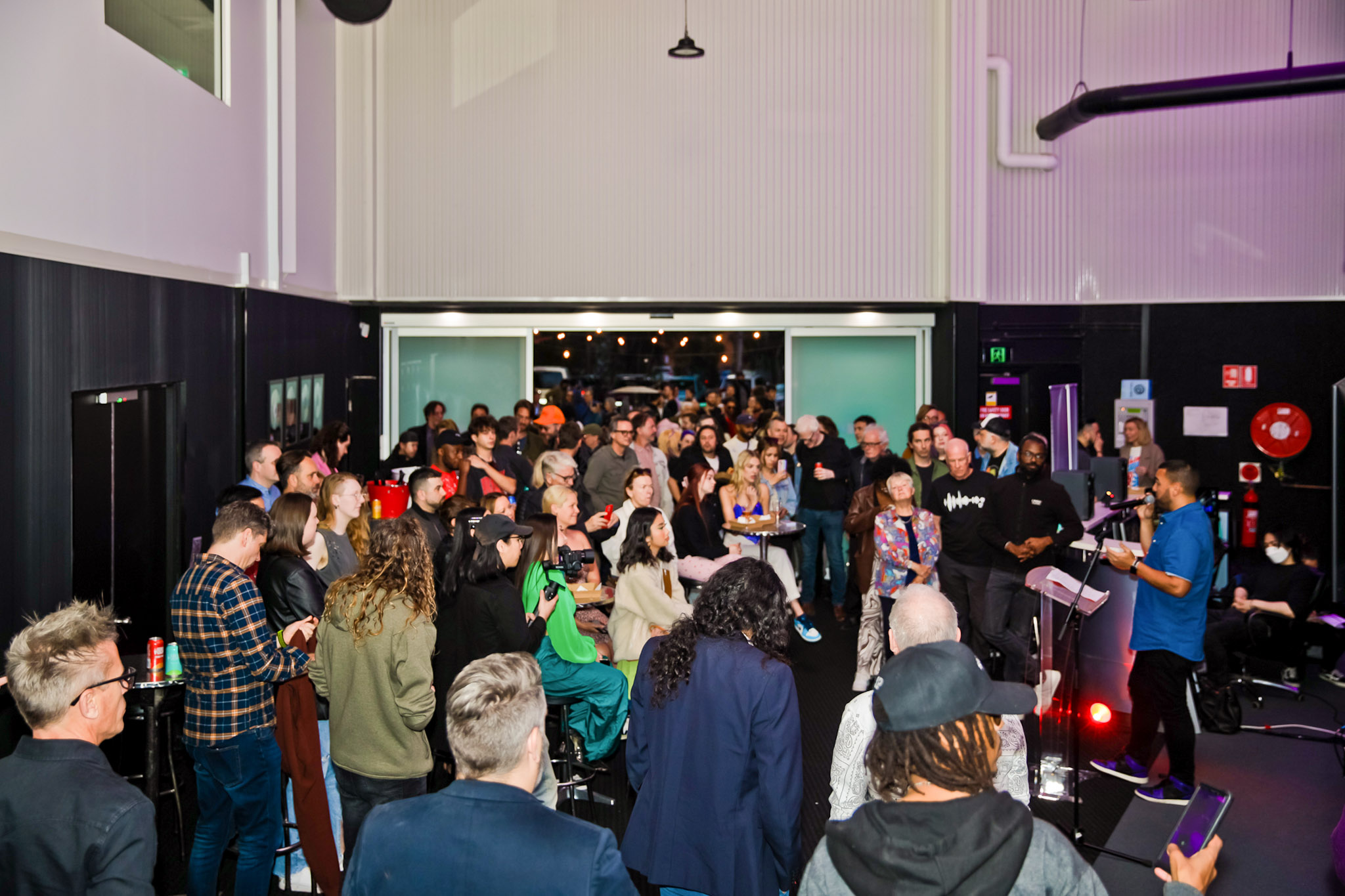
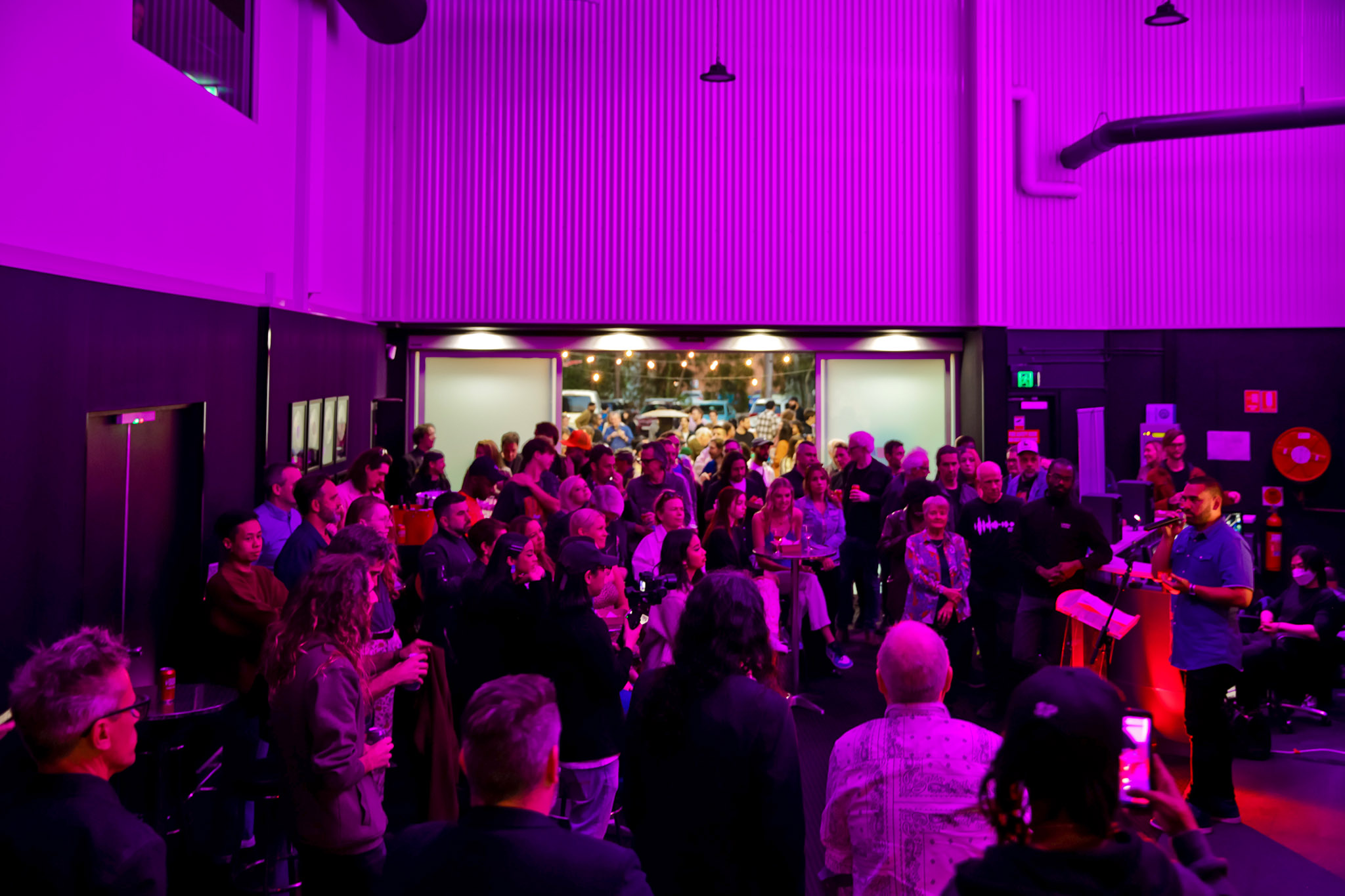
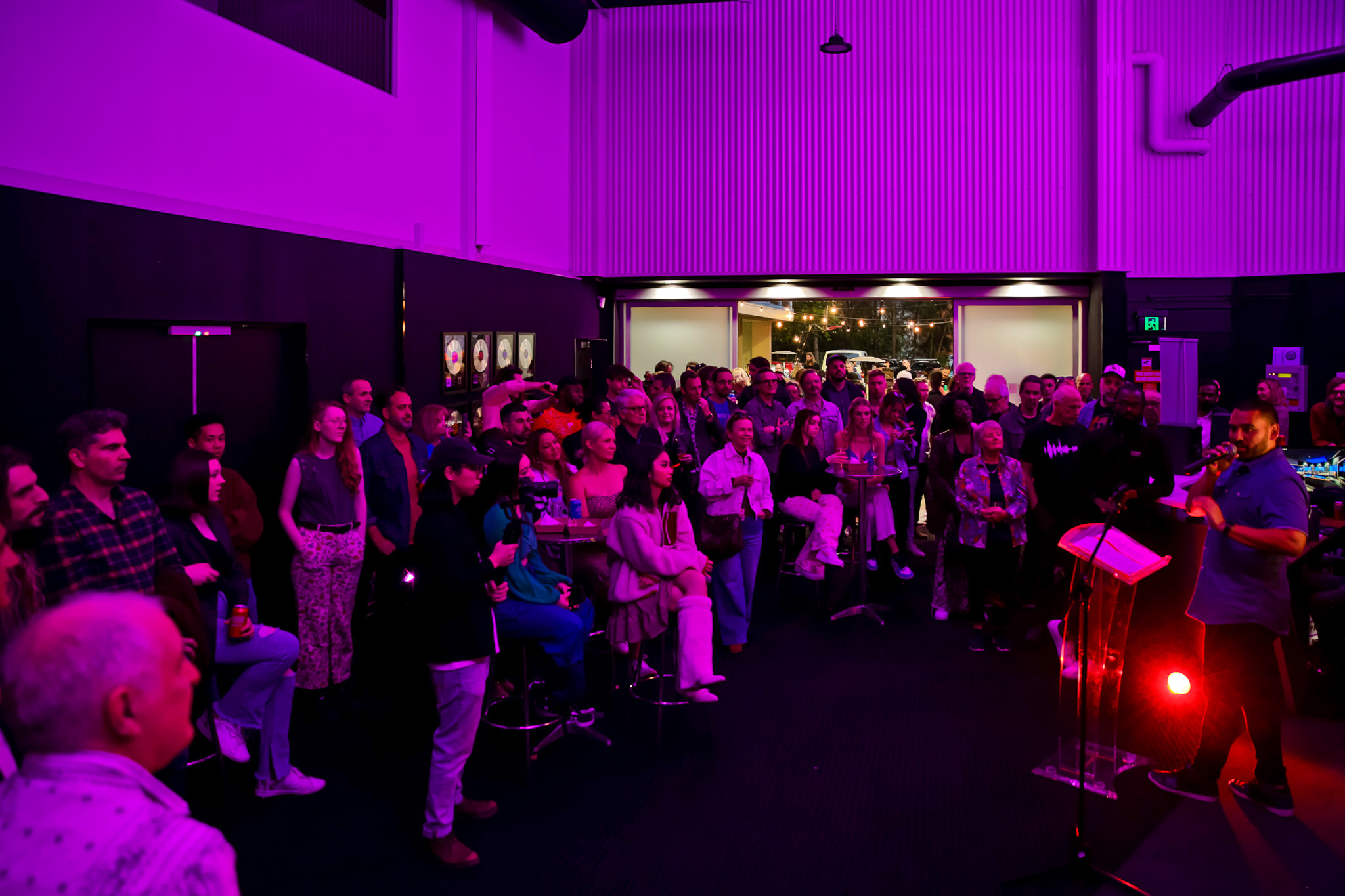
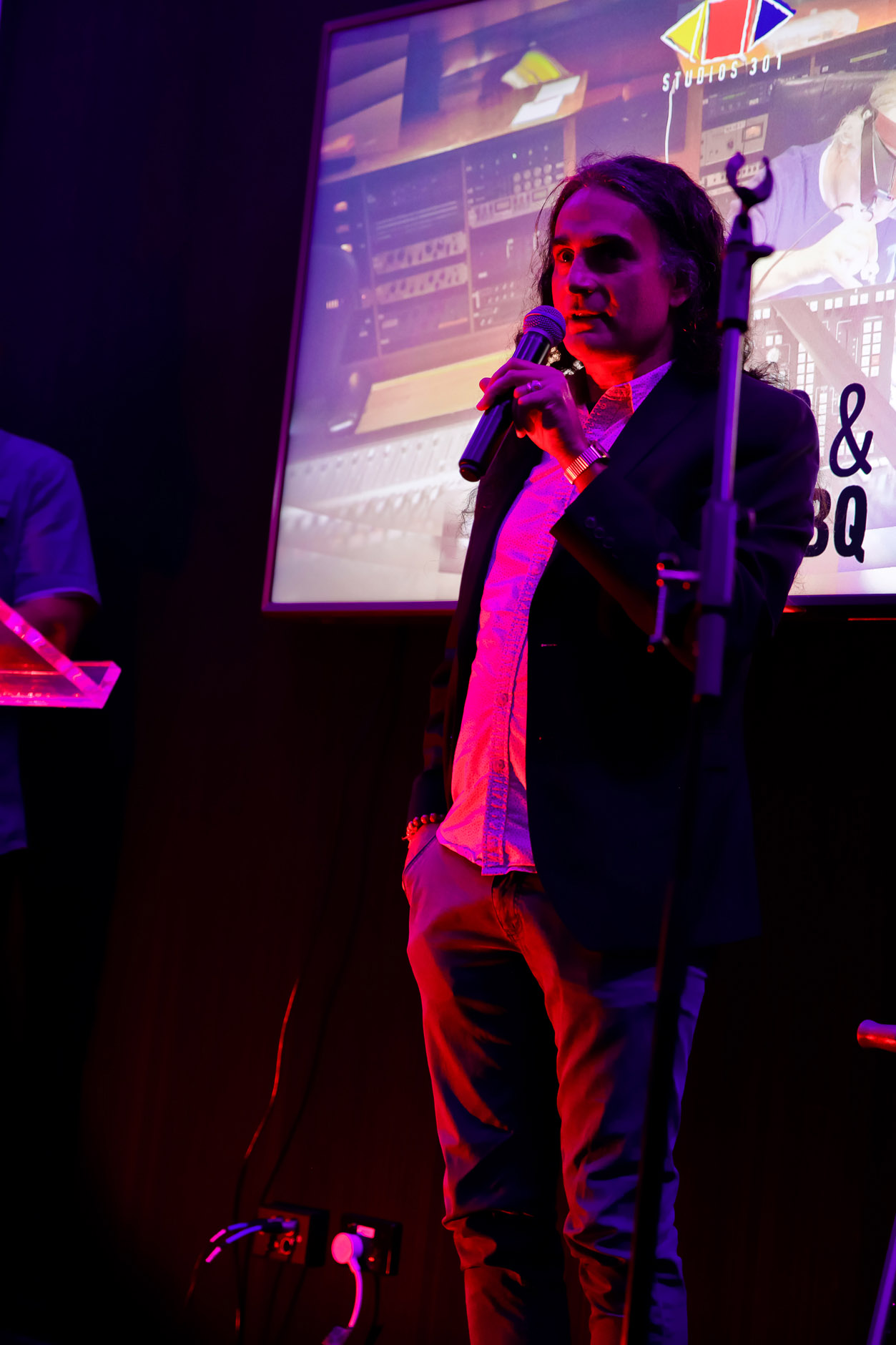
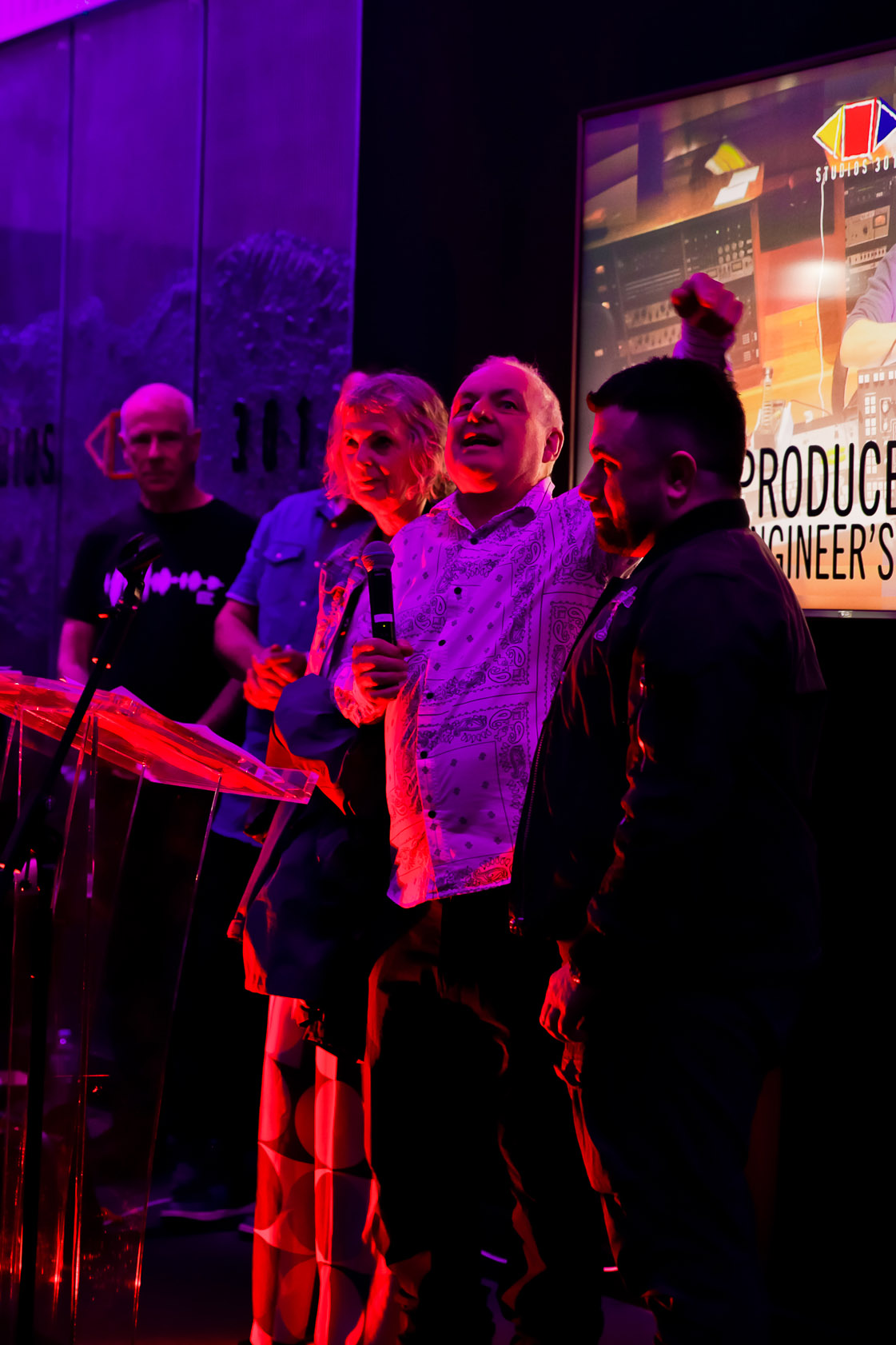
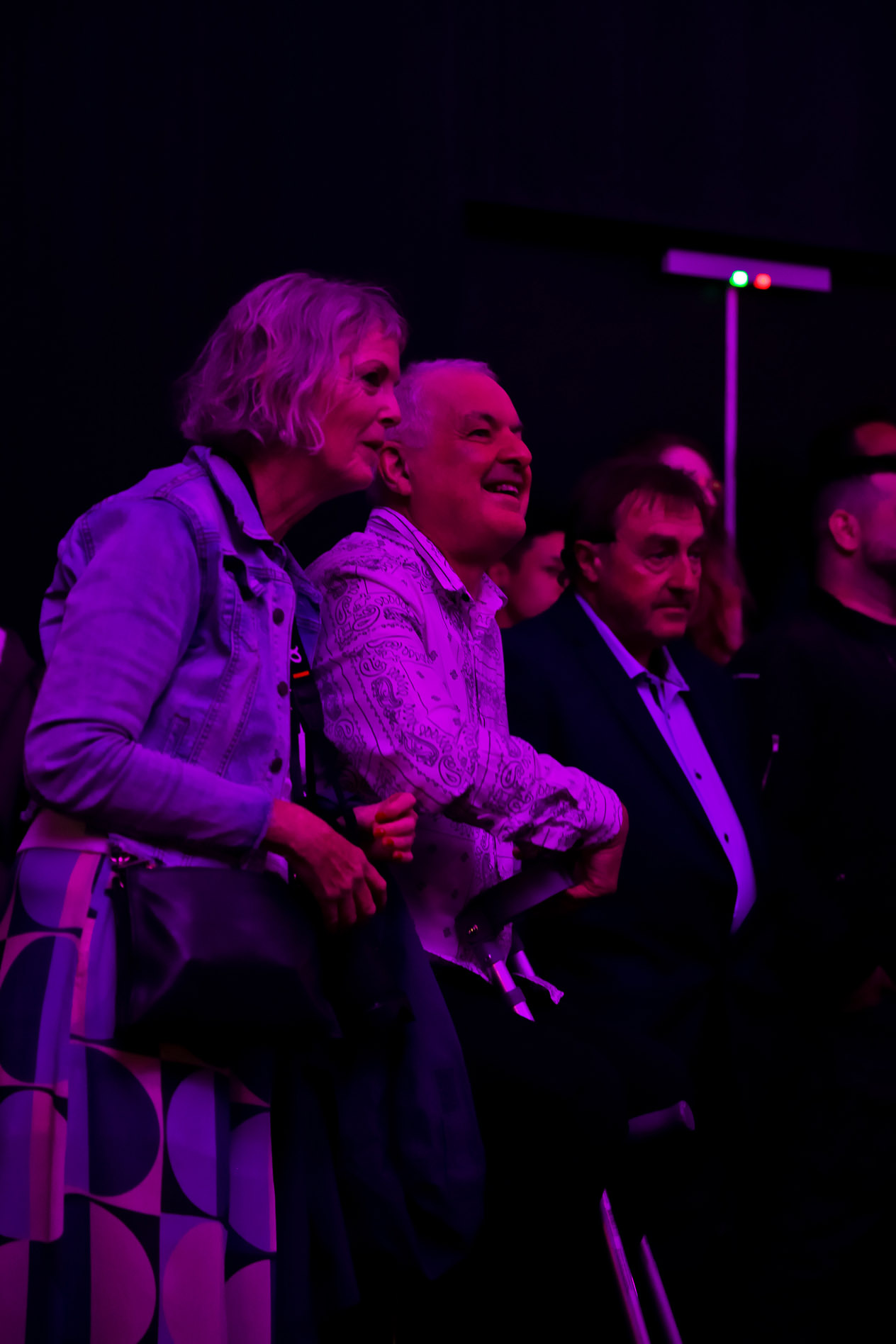
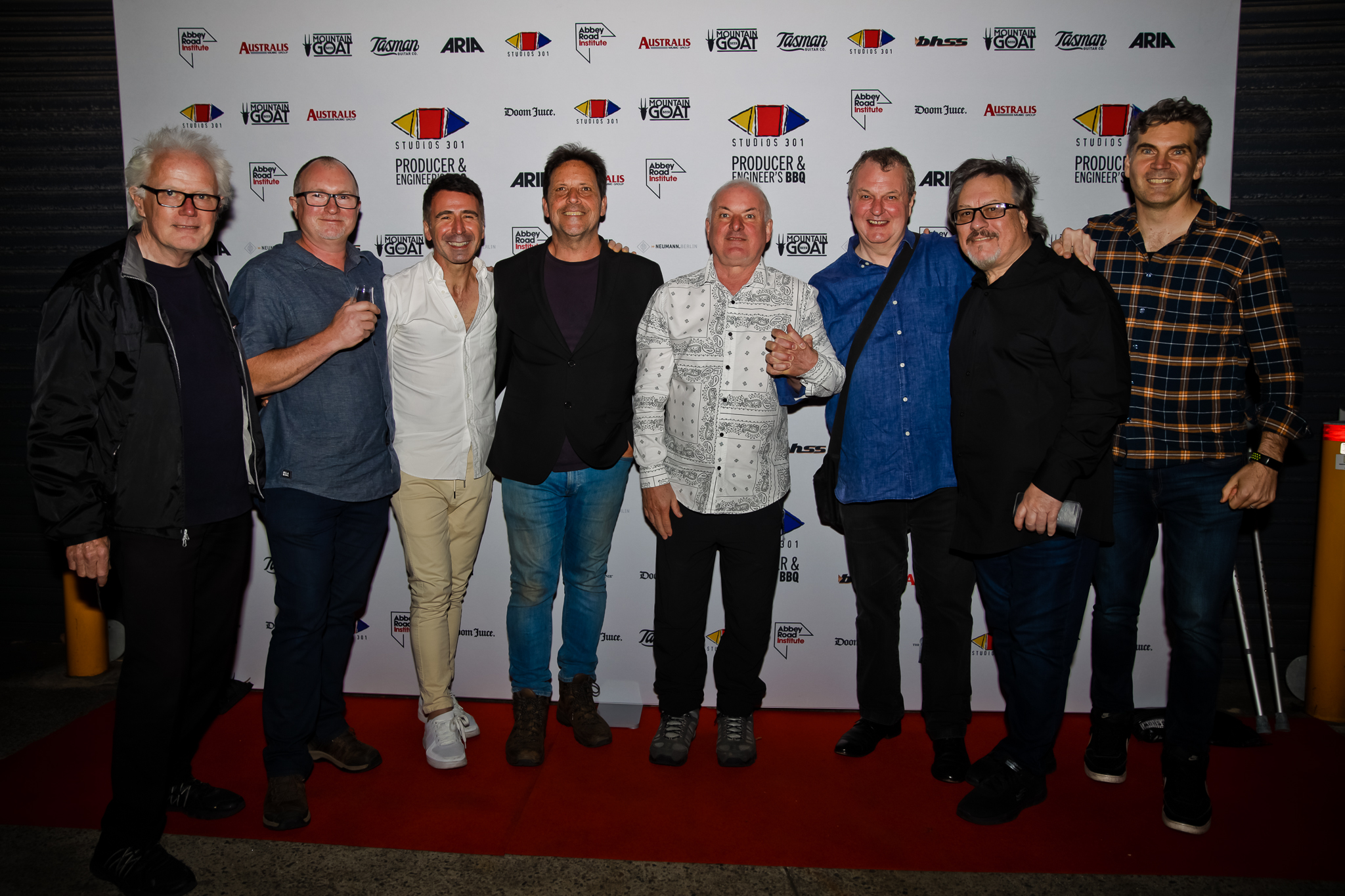
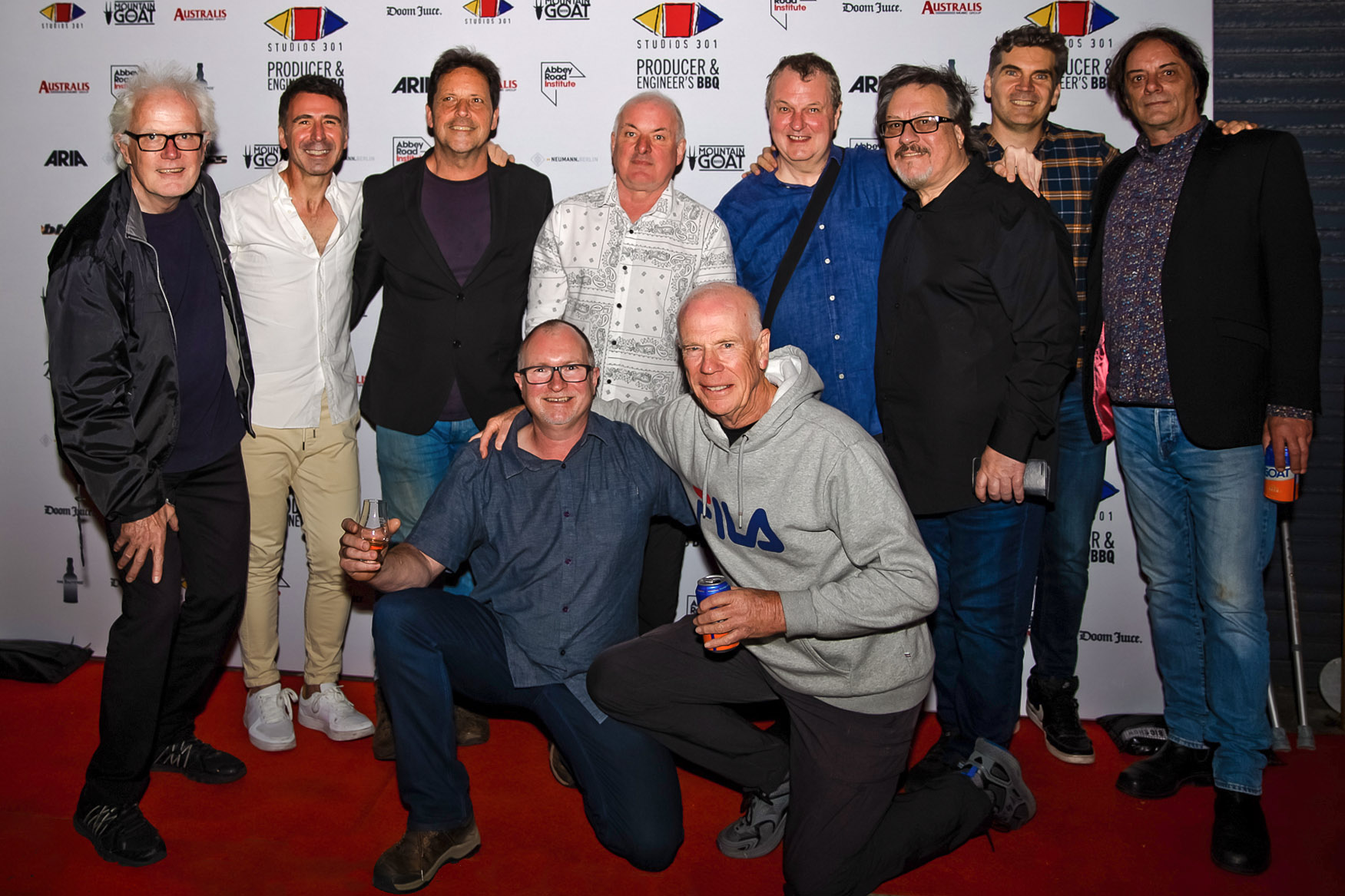
The Engineer & Producer’s BBQ held at Studios 301 as an official part of ARIA Week 2022 was a night to be remembered! For the first time since 2019, it was a chance for our community to come together and celebrate our peers’ hard work and achievements in the music industry.
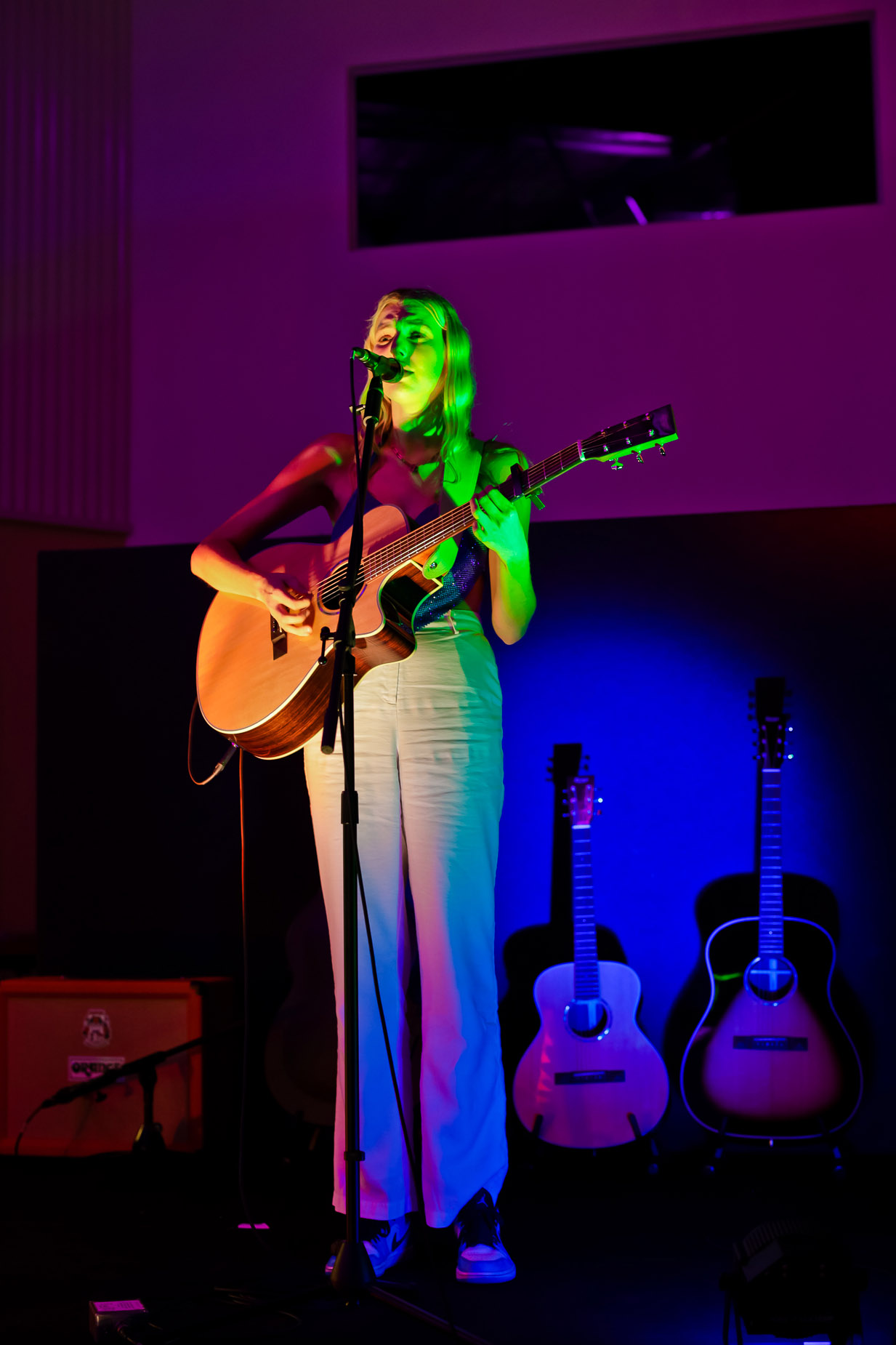
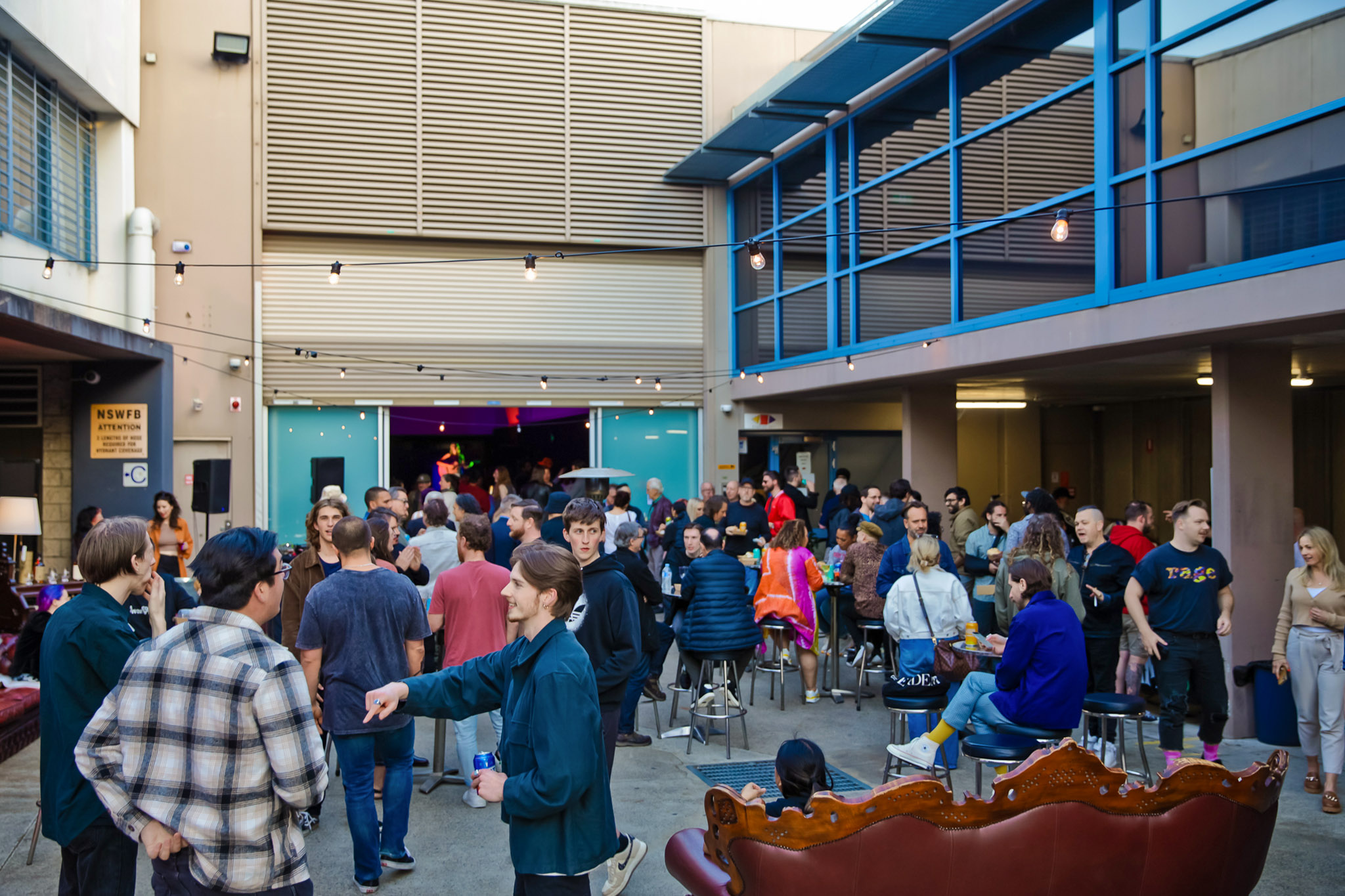
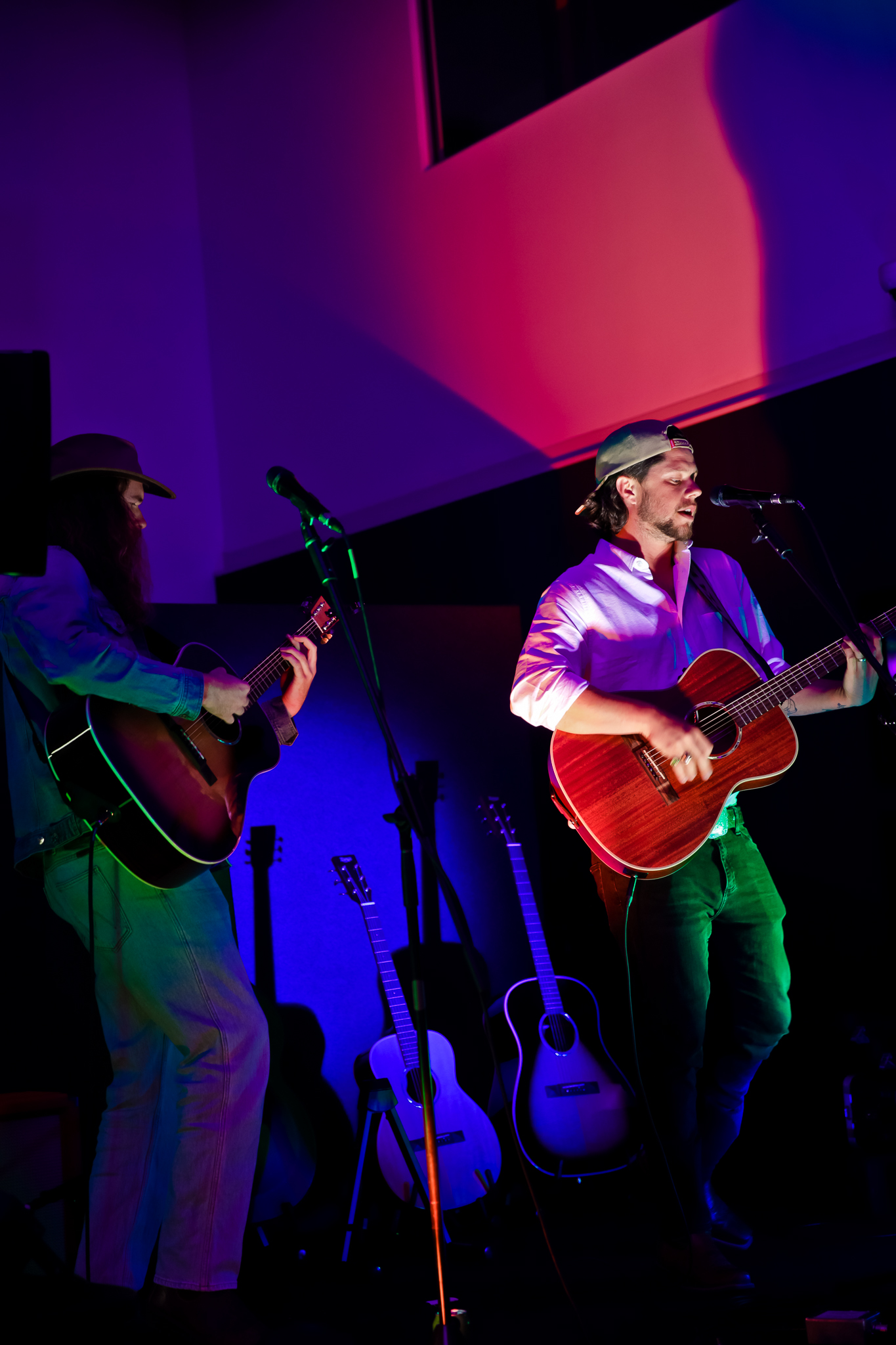
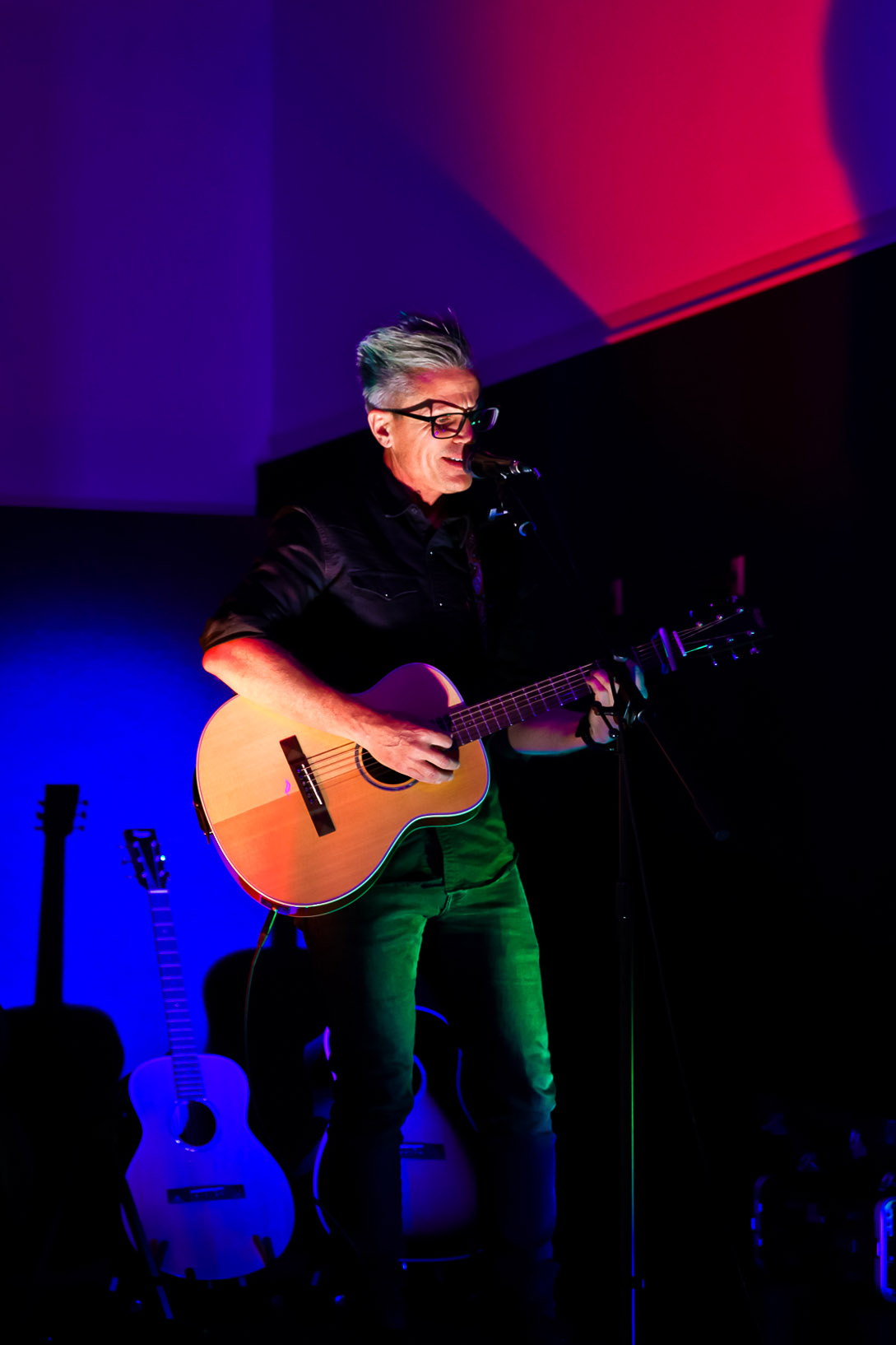
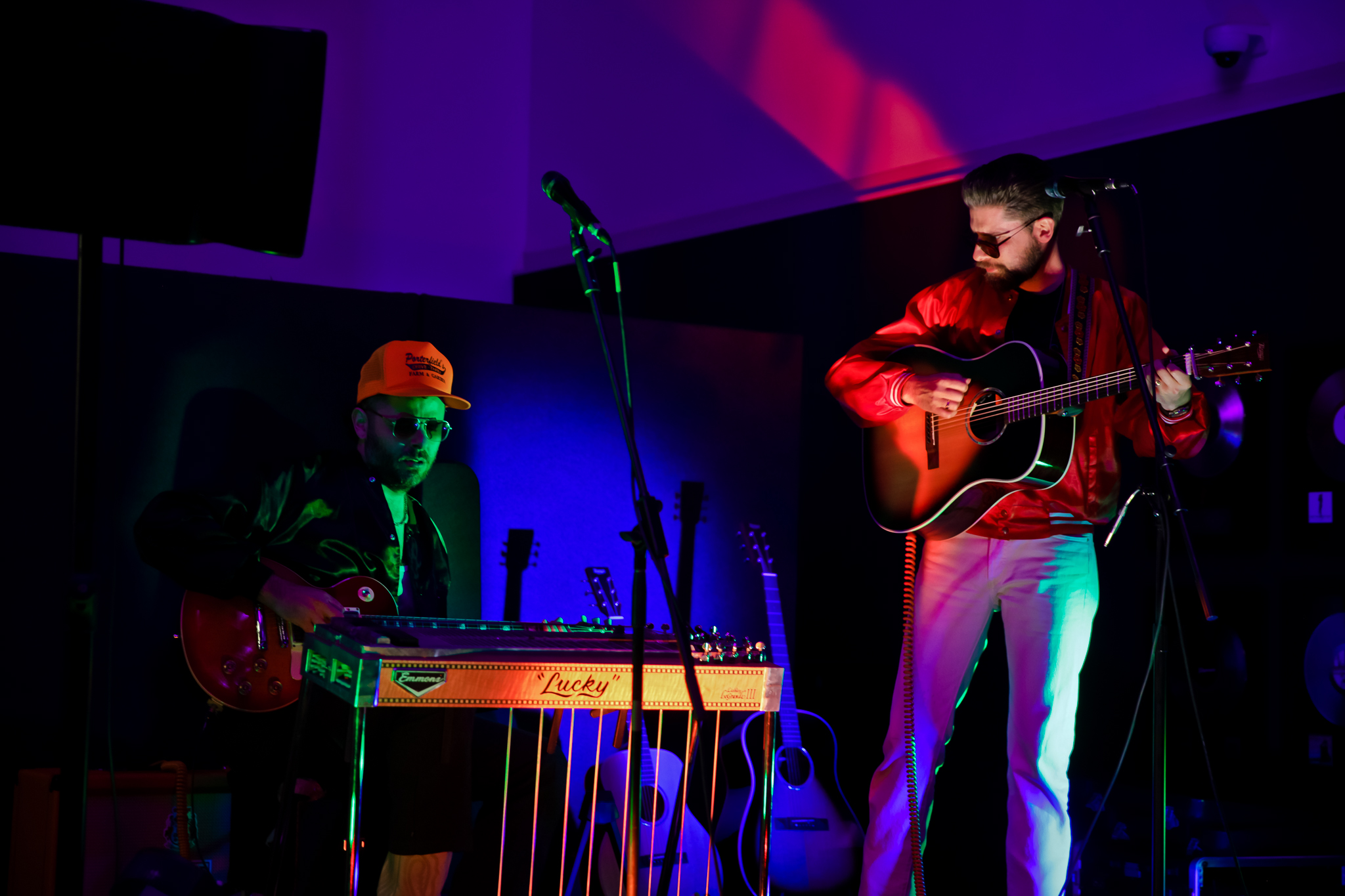
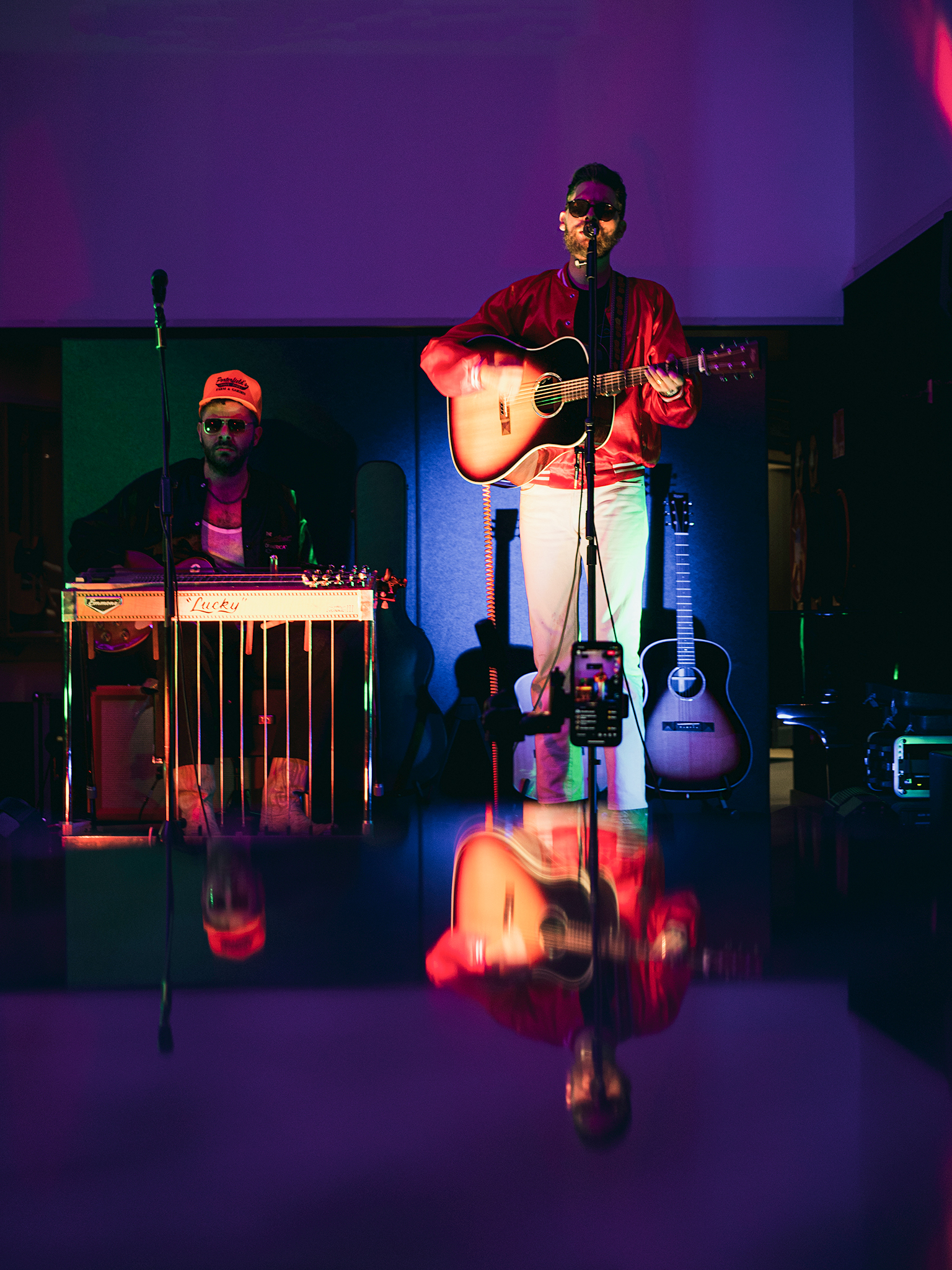
As the sun went down, guests were welcomed in the 301 courtyard with burgers, BBQ and drinks courtesy of our sponsors. They were quickly taken away with music from our DJs Kristelle and Kimani, and Tasman Guitar Endorsees – Ray Beadle, Zane Banks, Sons of Atticus and a brand new endorsee, Gia Darcy who was announced on the night.
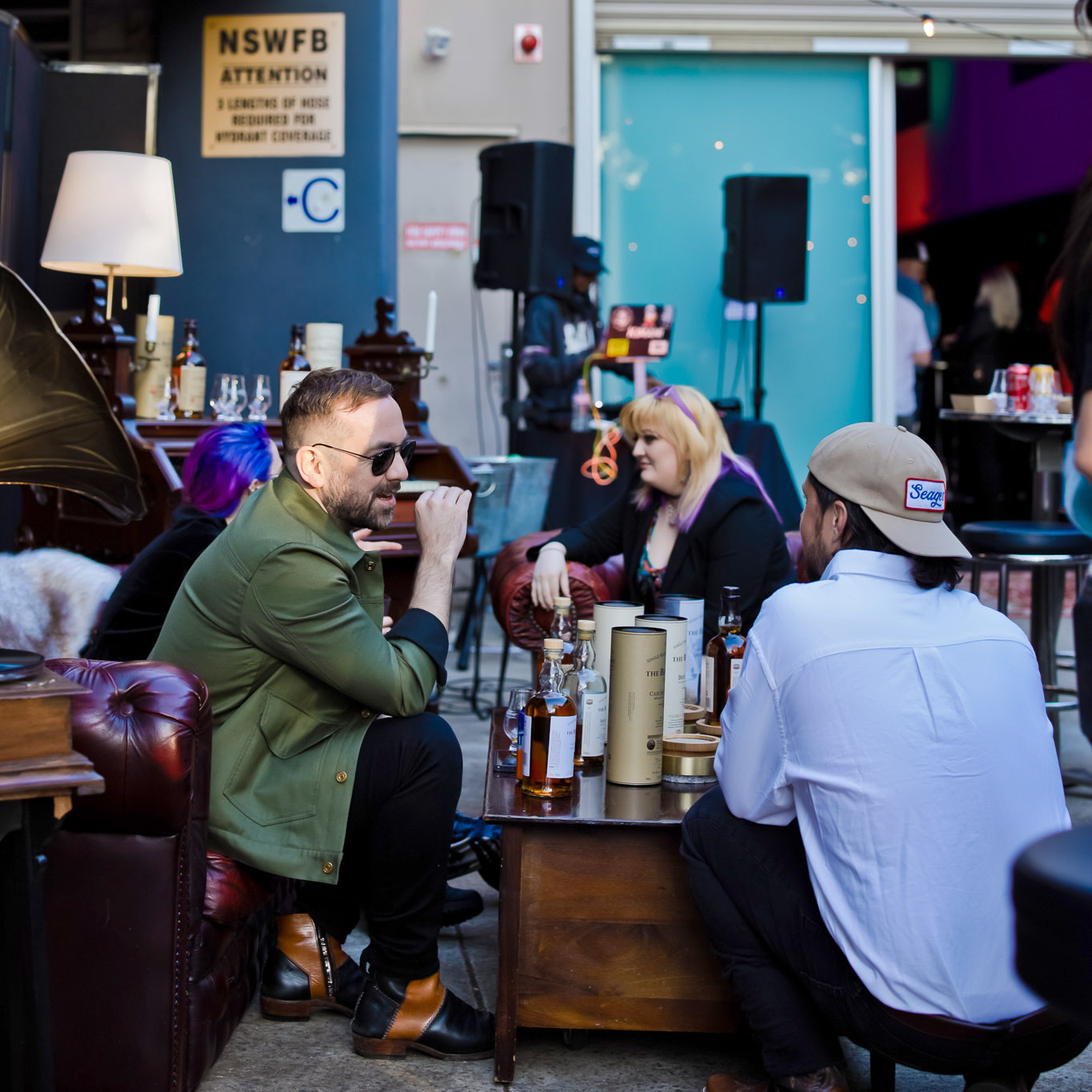
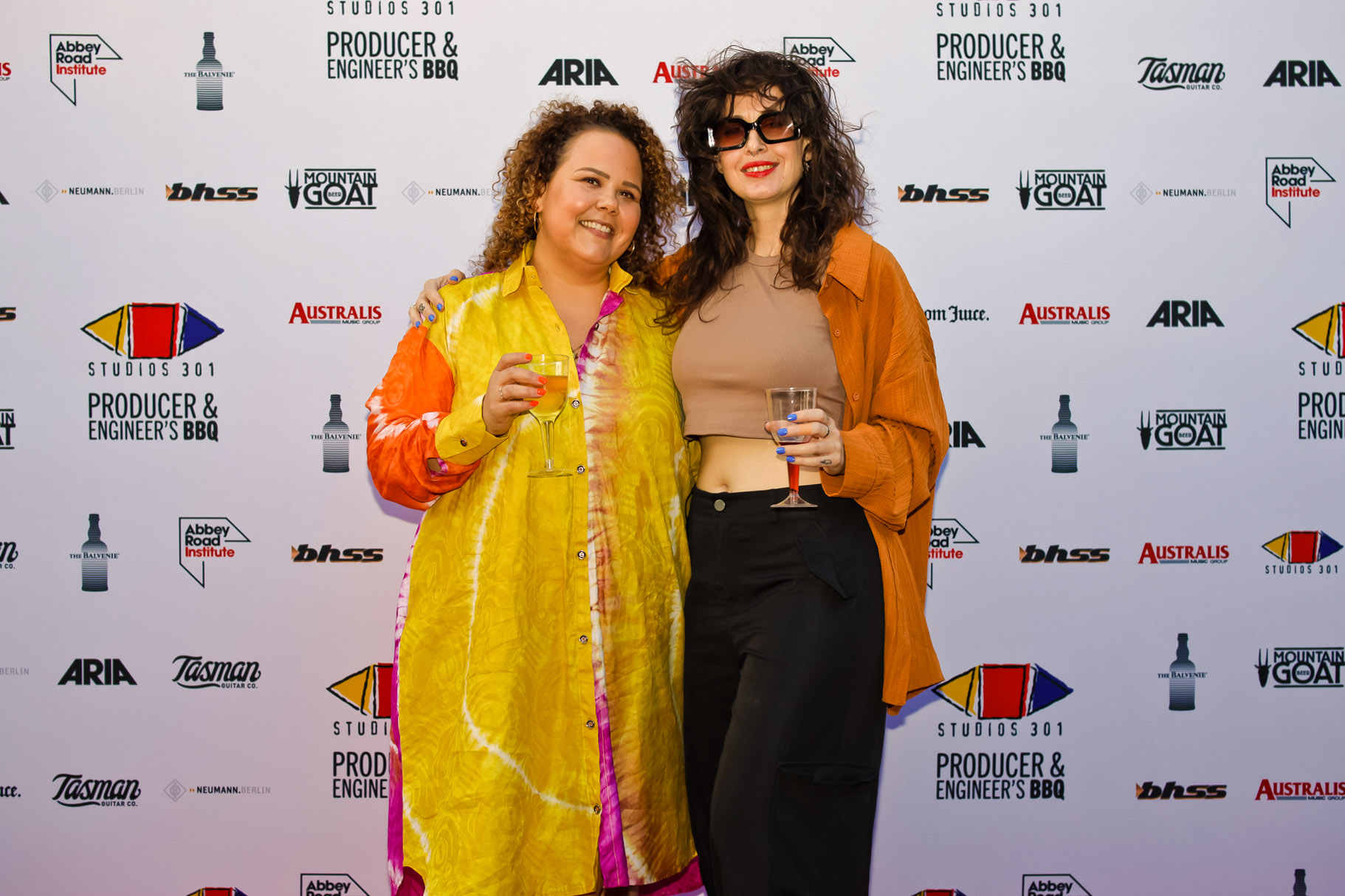
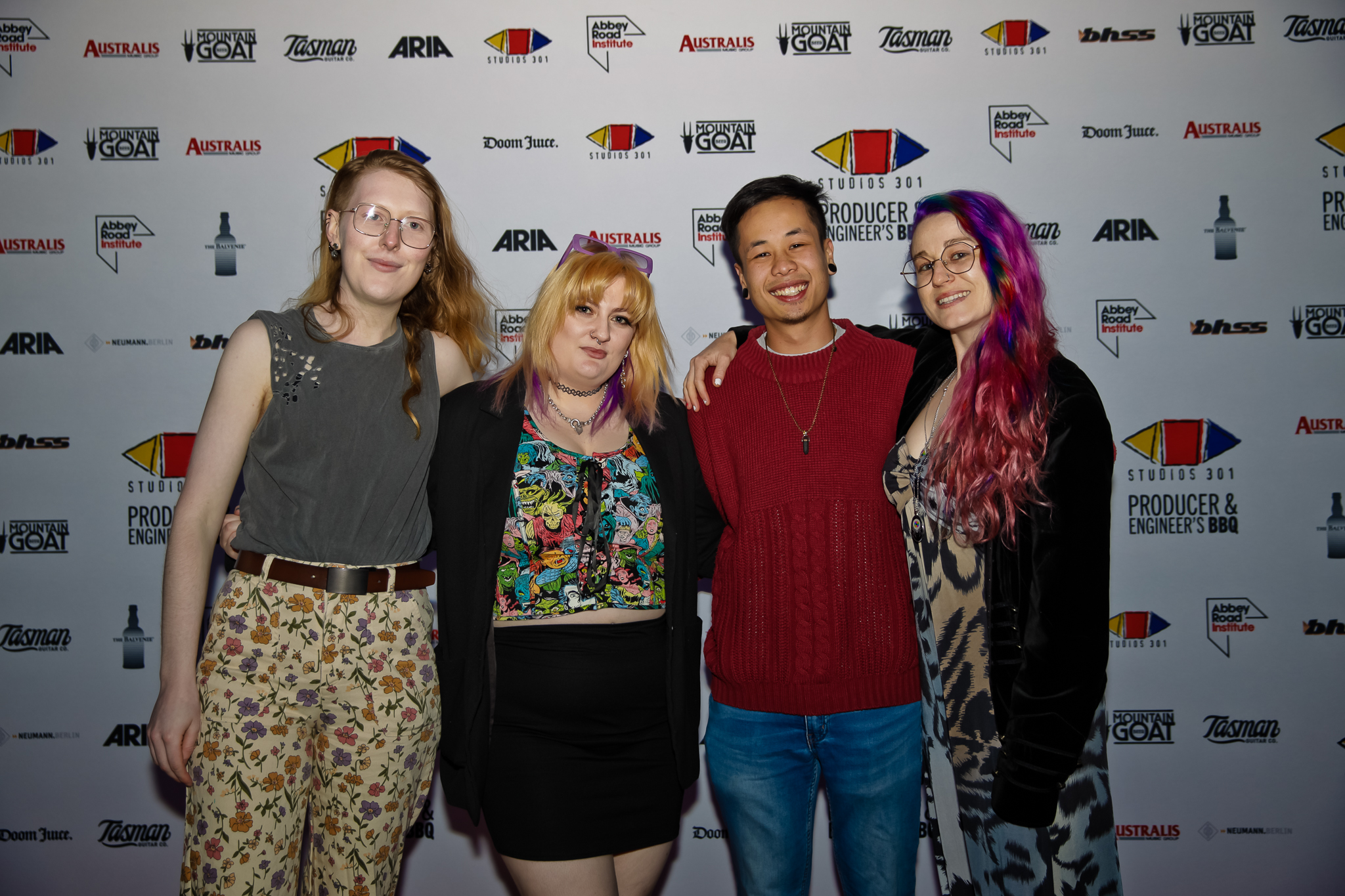
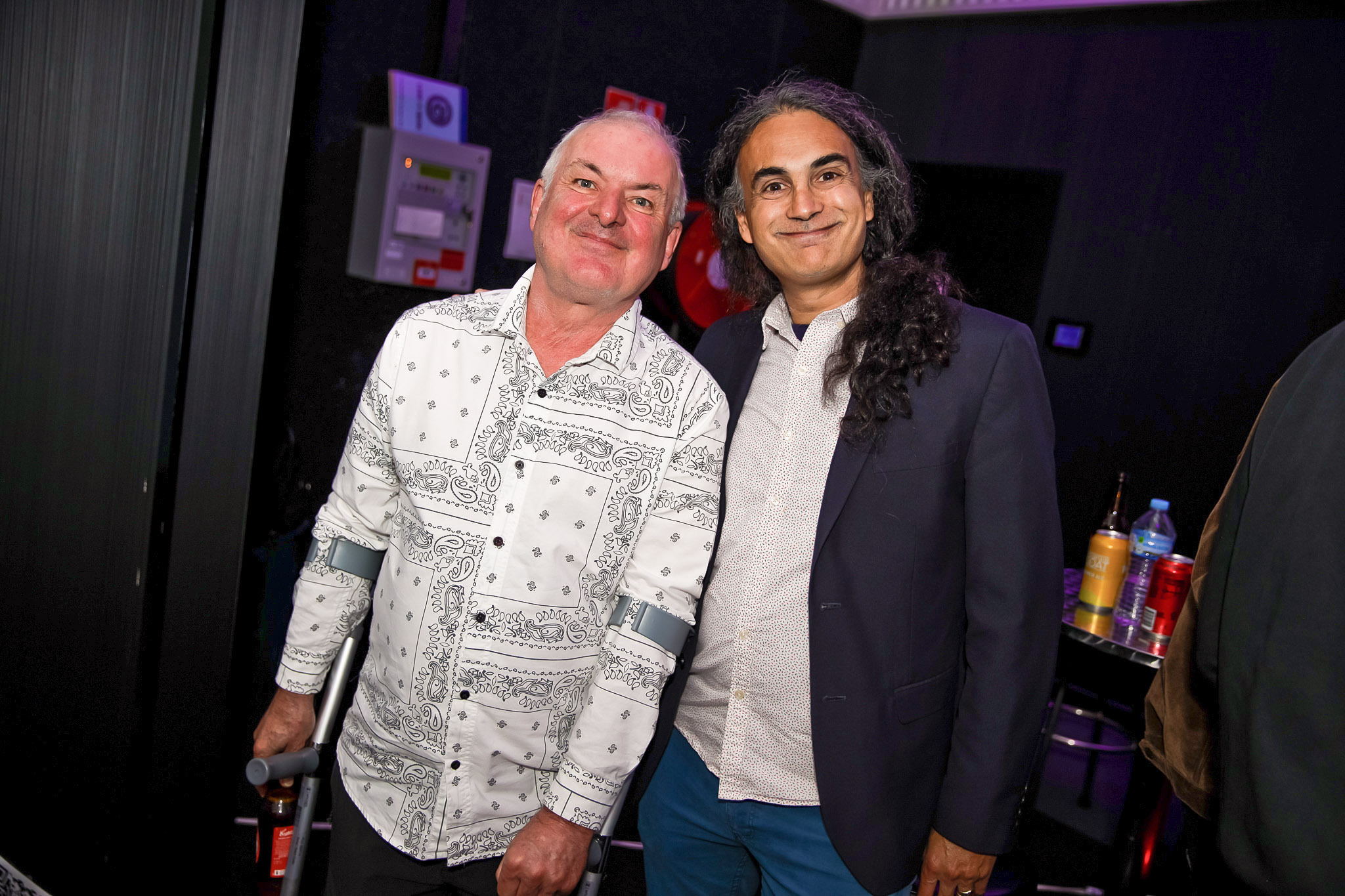
Once settled in with a drink in hand, a quick snap by the media wall or a sneaky whisky alongside The Balvenie whisky bar, guests had the opportunity to mingle with industry professionals while also having the chance to network with peers and make new connections.
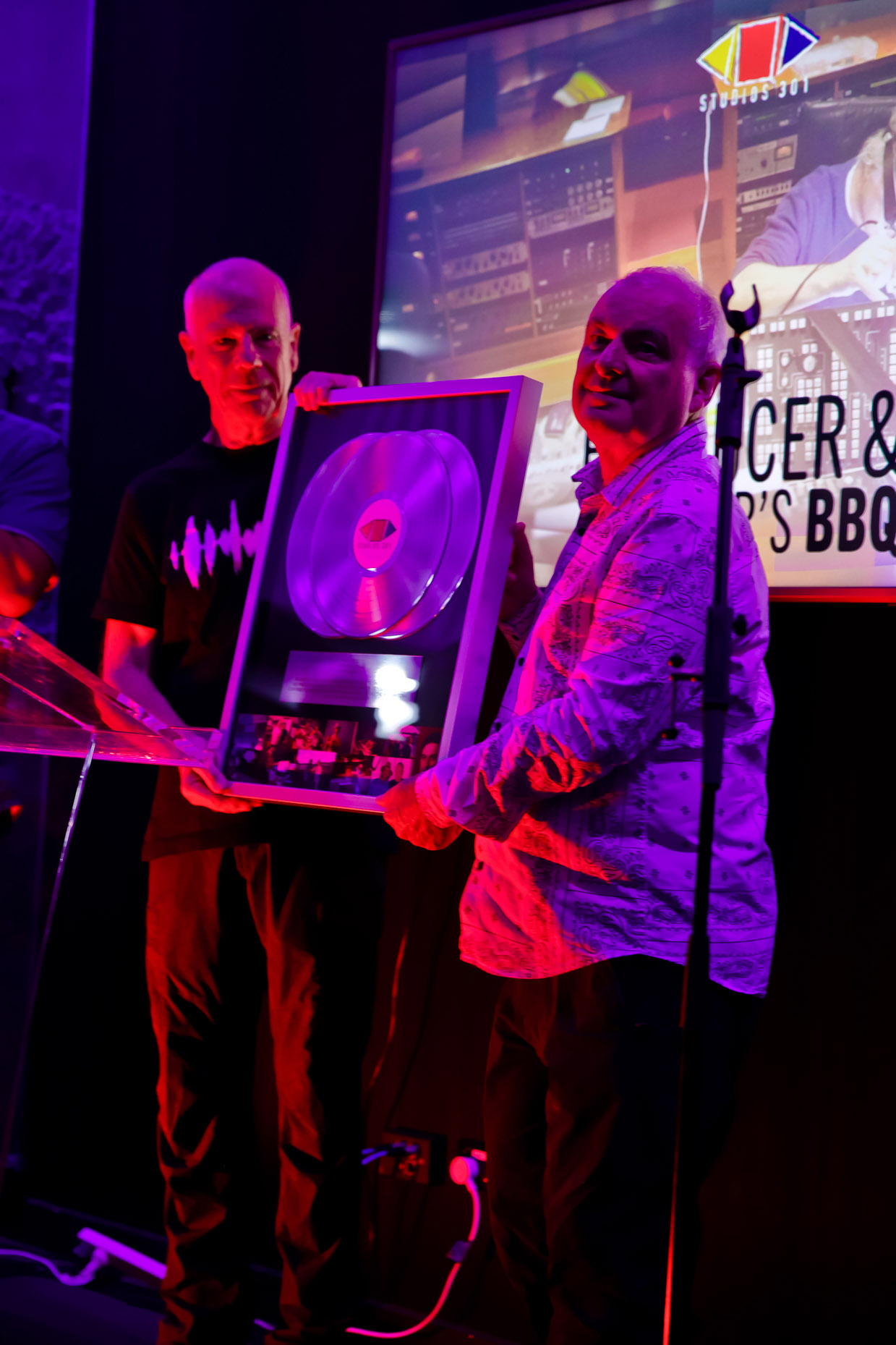
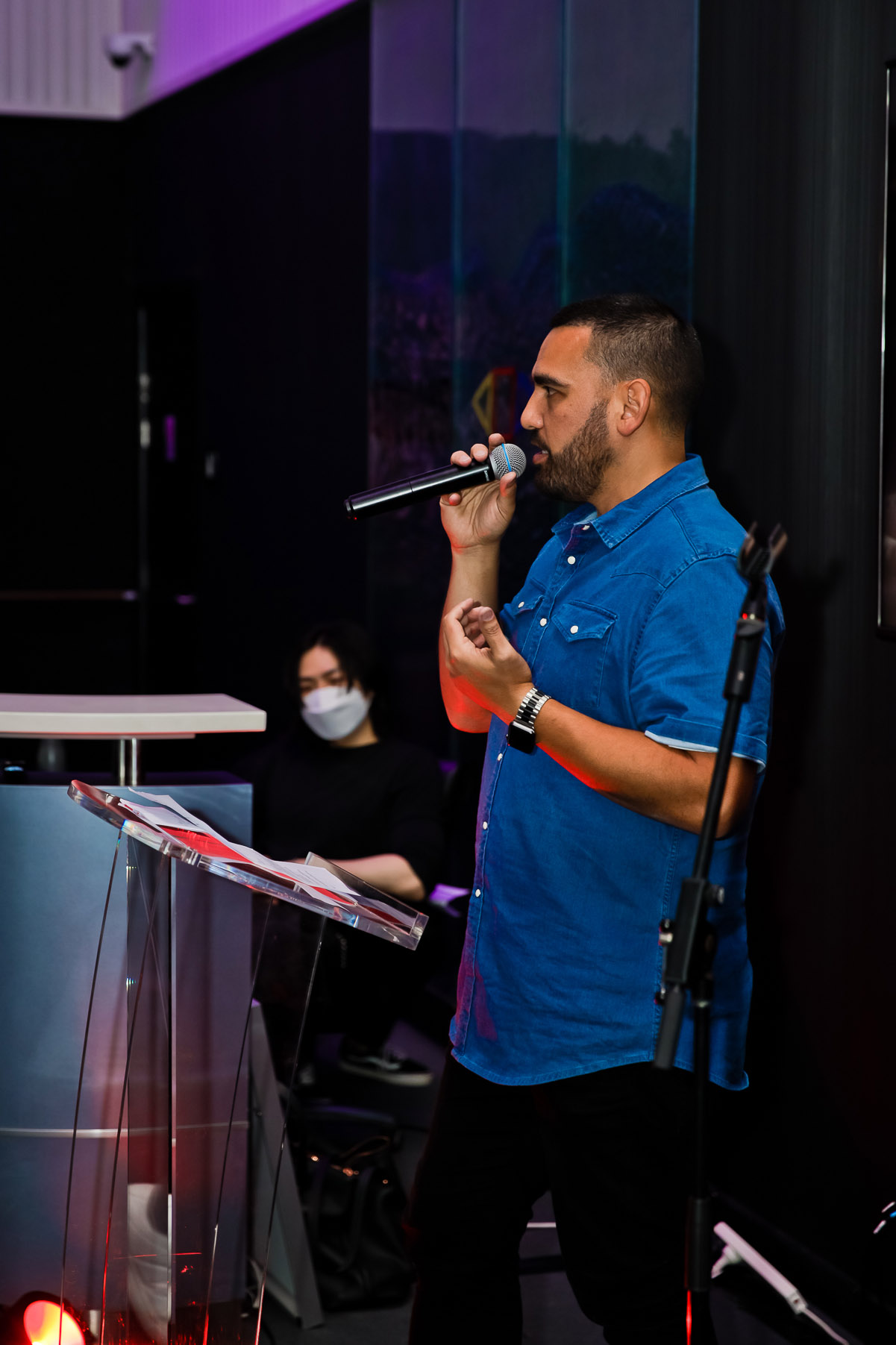
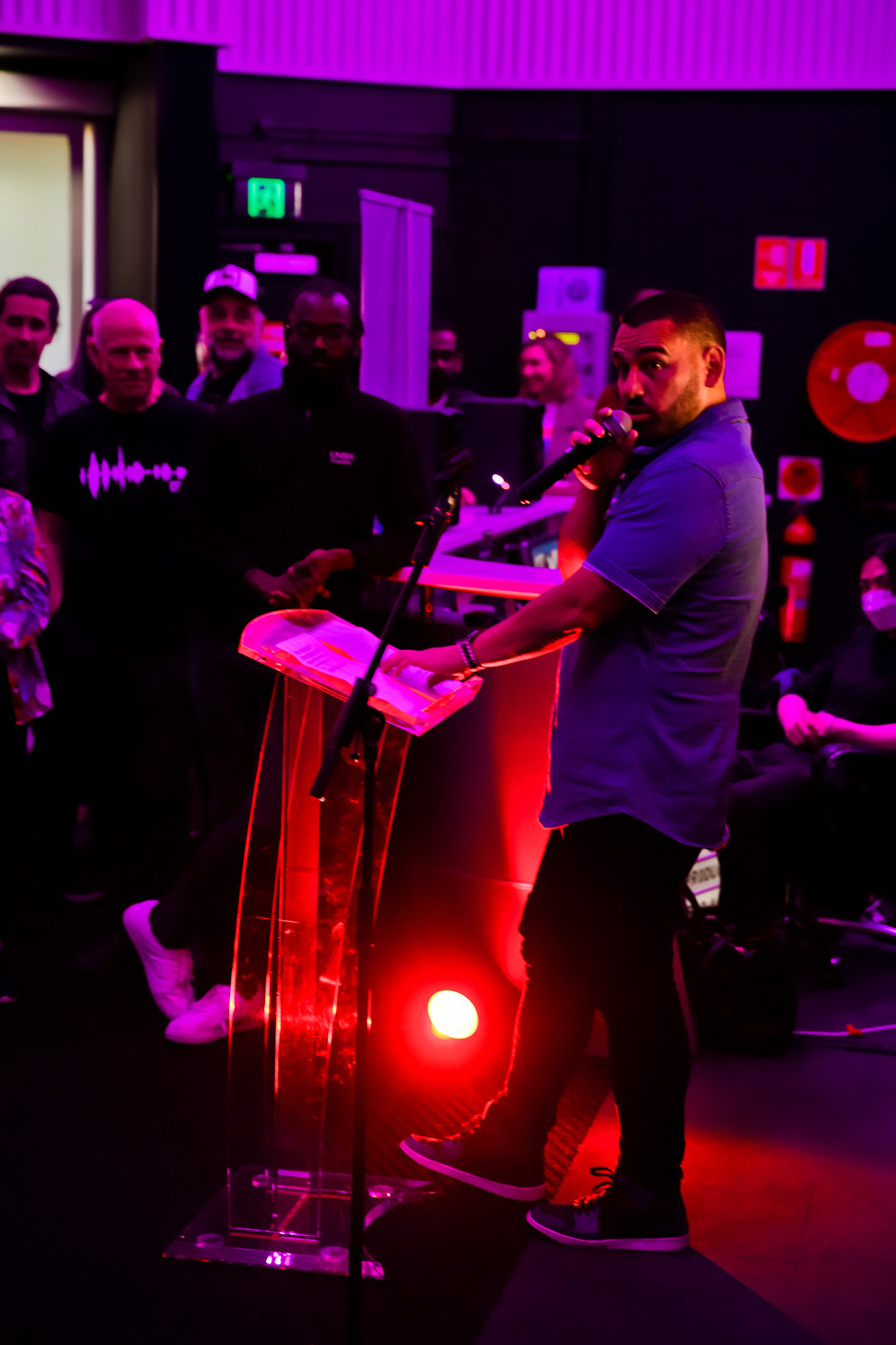
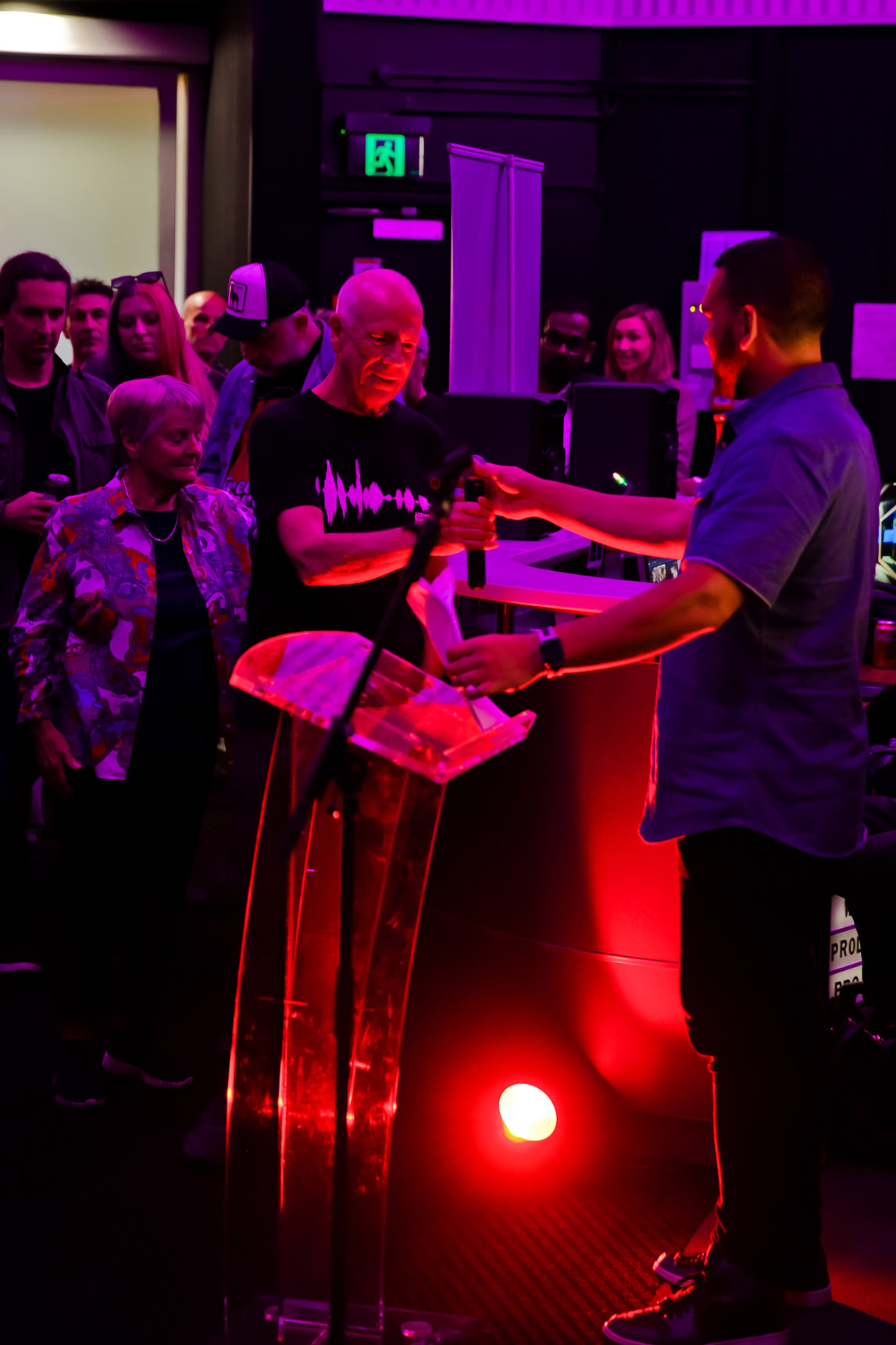
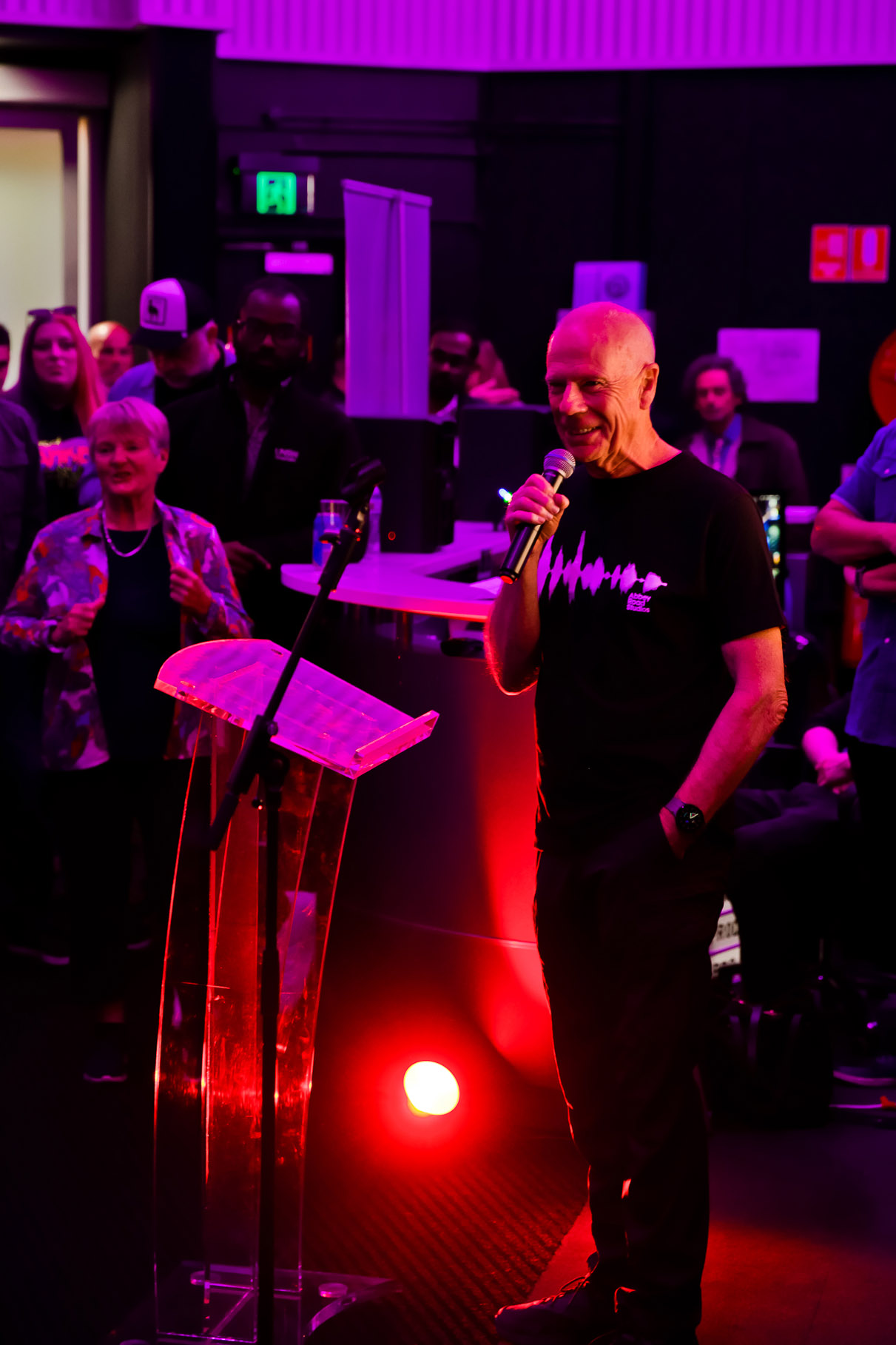
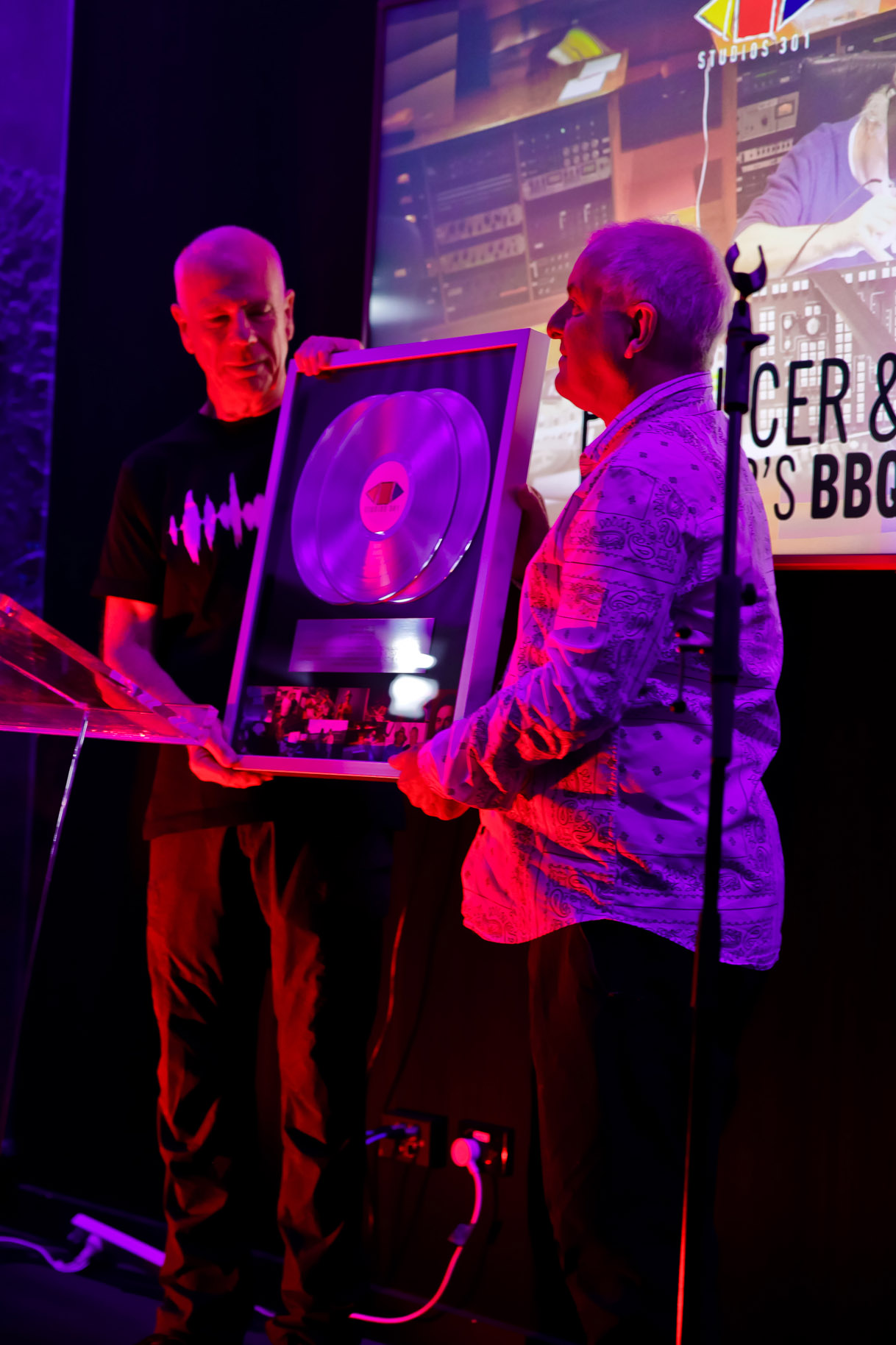
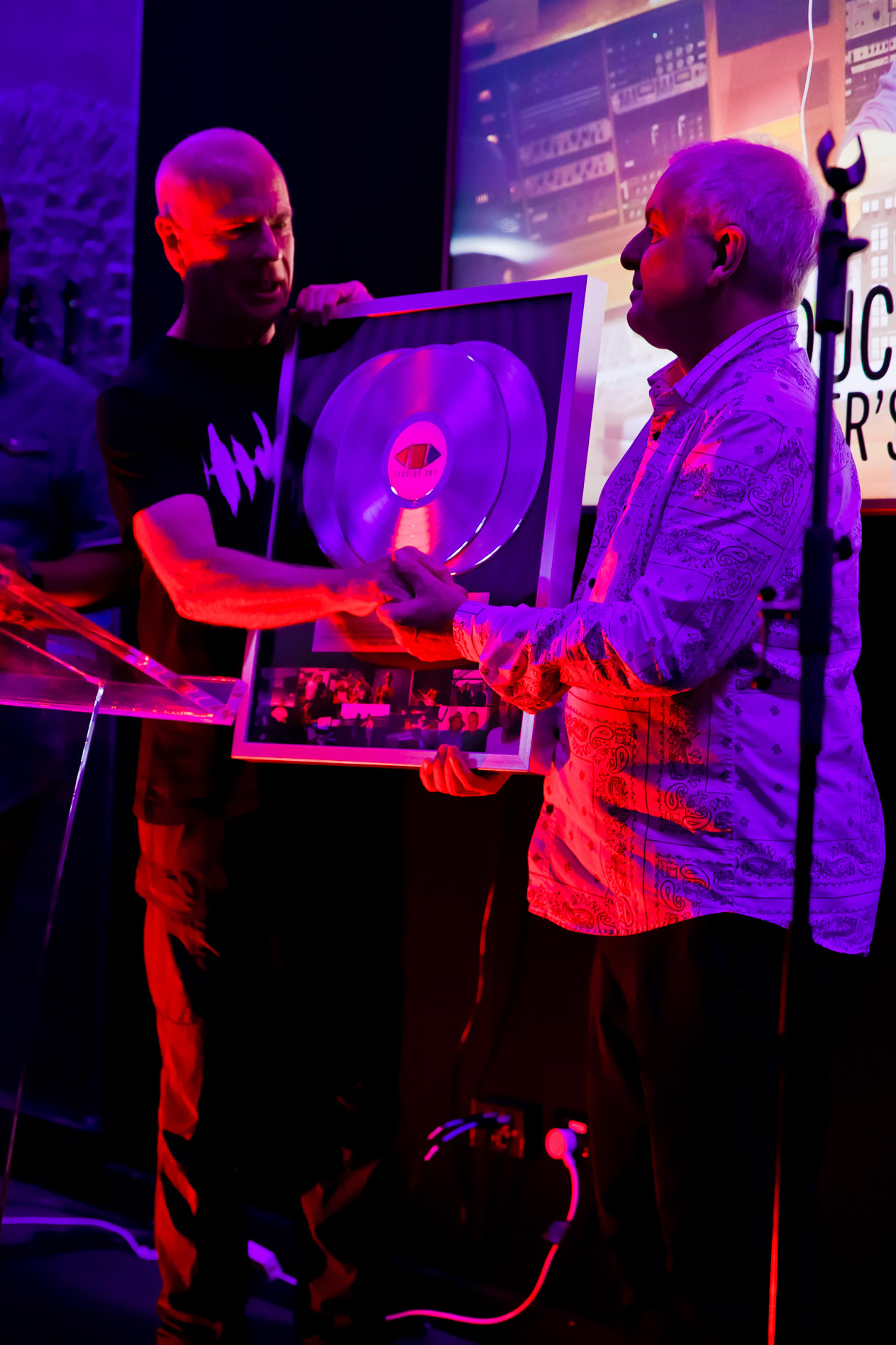
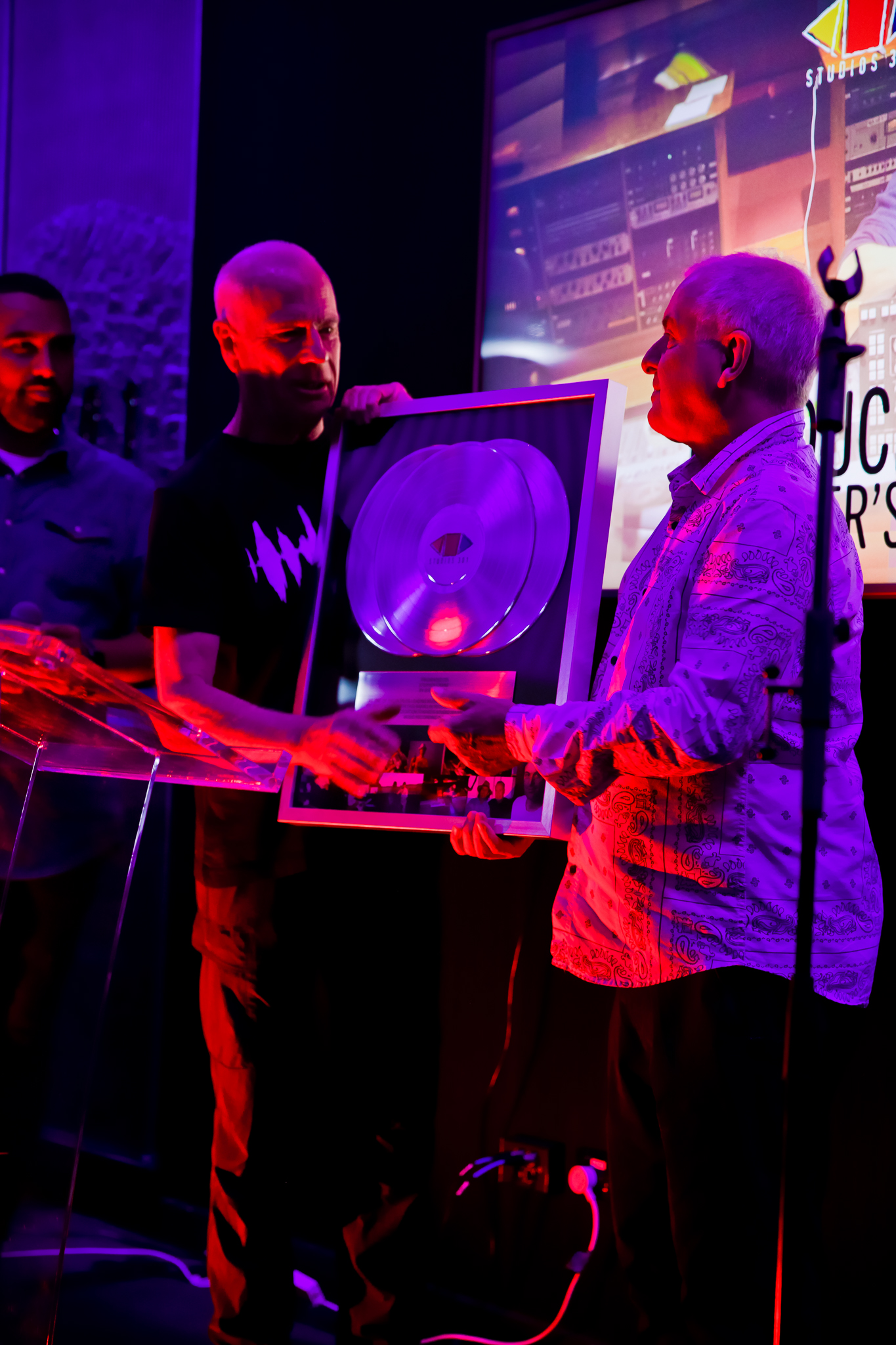
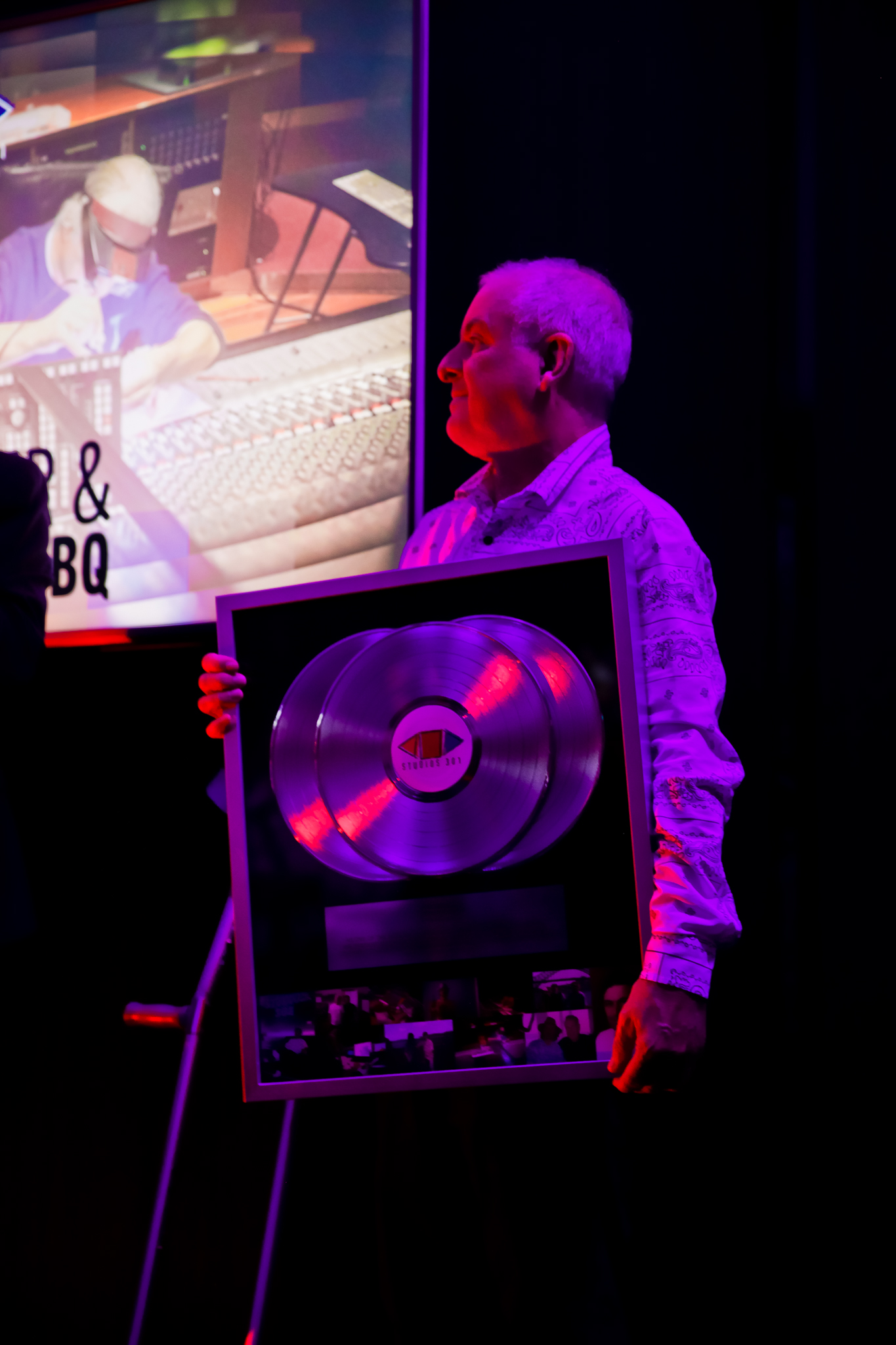
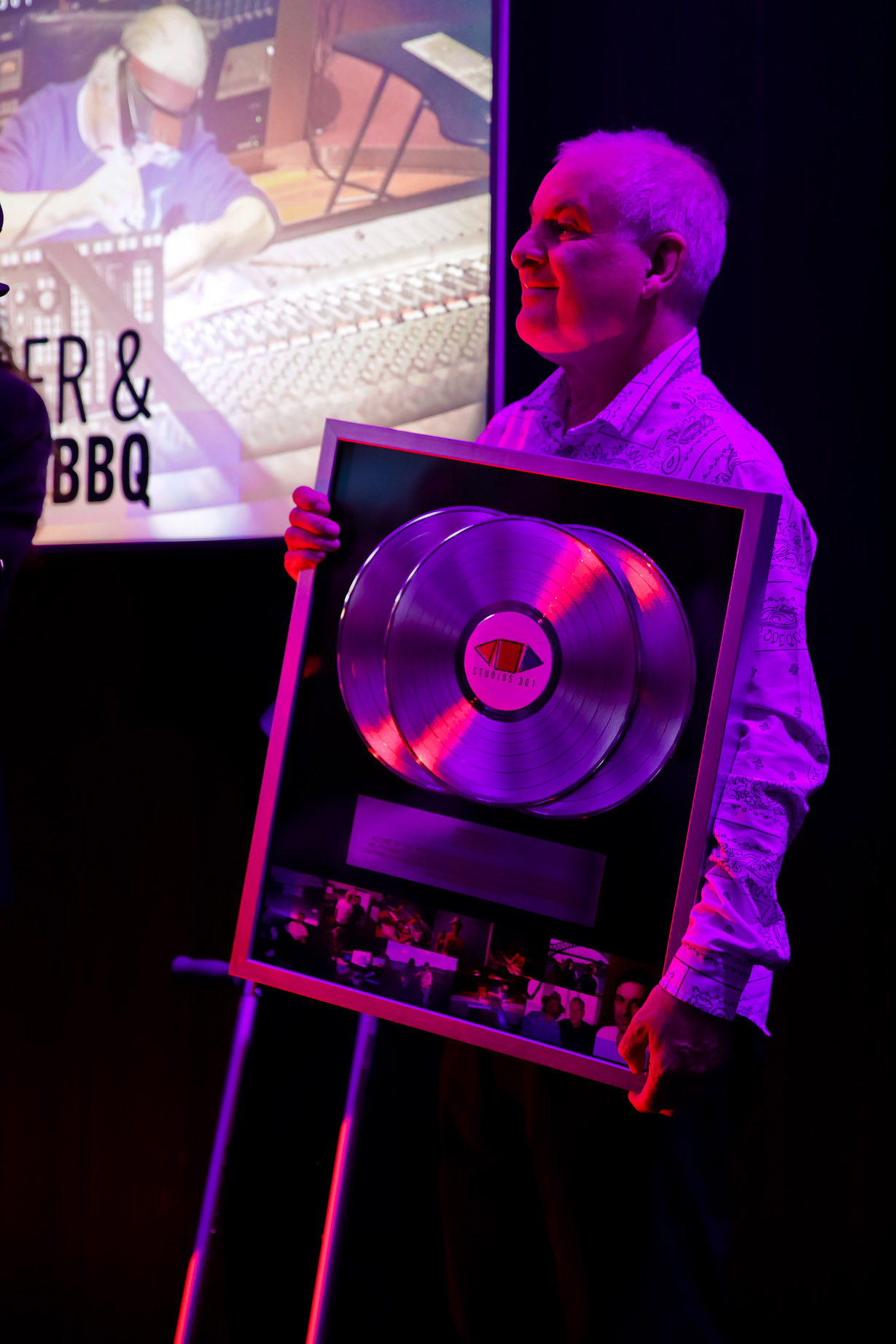
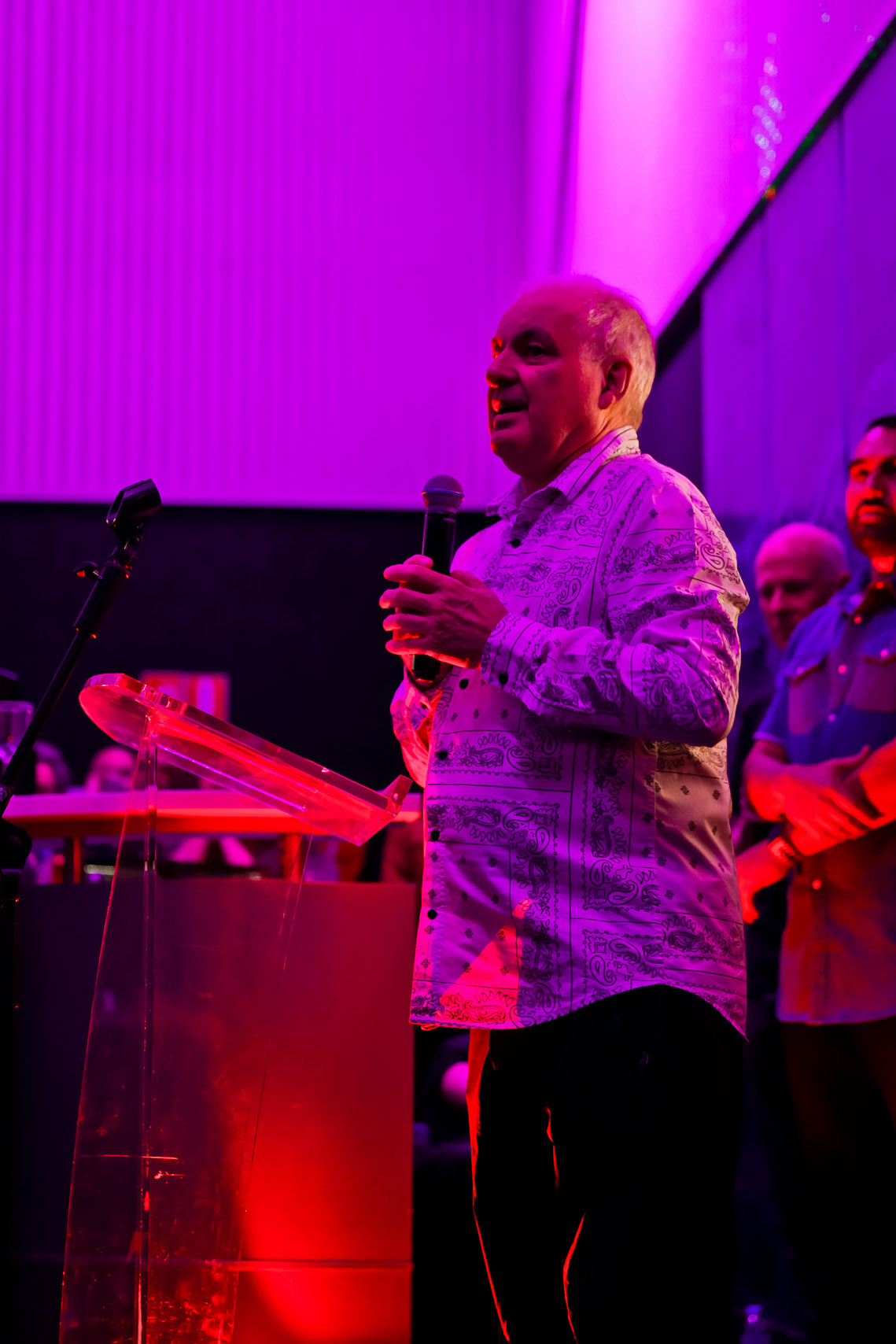
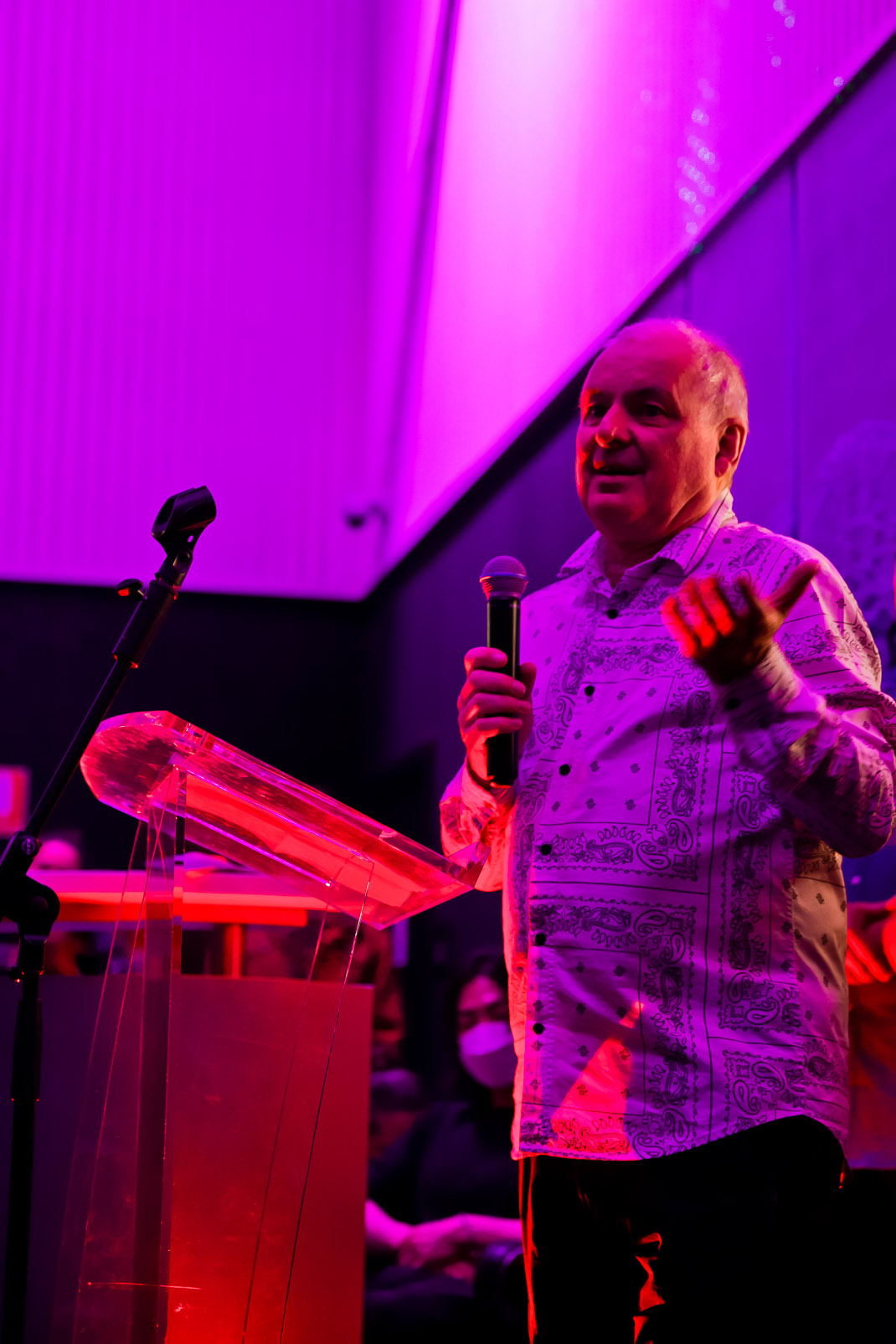
The highlight of the evening was when Stephen Crane was presented with his Lifetime Achievement Award on stage by our general manager Ron Haryanto and legendary Studios 301 and Abbey Road Manager Martin Benge. In a touching speech filled with encouragement for everyone in attendance, Stephen thanked everyone for their hard work over the years – giving special recognition to “The Spadges” for supporting his entire career.
In addition to his lifetime achievement award, Stephen Crane was also announced as a Visiting Fellow for the ANU School of Music by Professor Kim Cunio, head of the School of Music.
“The School of Music is delighted to announce Mr. Crane as a Visiting Fellow to allow his unique skills to be transferred to the next generation, as well as offer the chance to support the development of some of Mr Crane’s innovative research into audio capture and processing” Kim Stated on the night.
Throughout the night, the official partner to the 2022 ARIA Awards, Neumann.Berlin came to the party with a fabulous product giveaway featuring a pair of the just released KH 150 studio monitors and to enhance the listening experience, a pair of the open-back NDH30s.
It was a genuinely inspiring night that will be remembered for years. We can’t express enough how grateful we are for all those who attended and made this event possible – we couldn’t have done it without you!
As we are nearing the end of the year, we’d like to thank all of the incredible artists, labels, brands & partners who have come to us to bring their projects to life: to write, produce, record, mix, master, distribute, digitise and more! It’s been an amazing year and we’re looking forward to seeing you again in 2023!
Keeping you up to date with some of the recent releases to add to your playlists, here is what the Mastering department has been up to last month:
In the past few months, Studios 301 has seen a surge in activity, with international tours returning to the country and bringing their A-list clients to utilise our facilities. Studios 301 has welcomed Trippie Redd, 24kGoldn, ArrDee, AJ Tracey, YG, James Hype, Jonas Myrin and more.
We have also had the privilege of working with Australian icons including Nick Littlemore, Jess Mauboy, Pacific Avenue, Genesis Owusu, Delta Goodrem, Hayden James and Kormak, Jimmy Barnes, ONEFOUR, Chillinit, Guy Sebastian, Julie Kerr, New Jupiter with Grace Amos, Moonwood and more.
Brand clients included Australis Music for an epic 3 day Pro Audio Roadshow featuring K-ARRAY / KGEAR / KSCAPE, radio station CADA x Bonds doing a complete studio takeover with Flex & Froomes, Lexus with Dan Fontaine, and Roland launching a top-secret new product with drummers from around Australia. Mushroom used our studios to film a documentary on Michael Gudinski.
We are proud to have played a role in creating new music for these artists and allowing them to reach their full potential in the recording process. Additionally, we have had a number of local clients choose our studio for their projects, further cementing our reputation as the go-to destination for high-quality recordings.
We look forward to continuing this streak of success in the coming months.
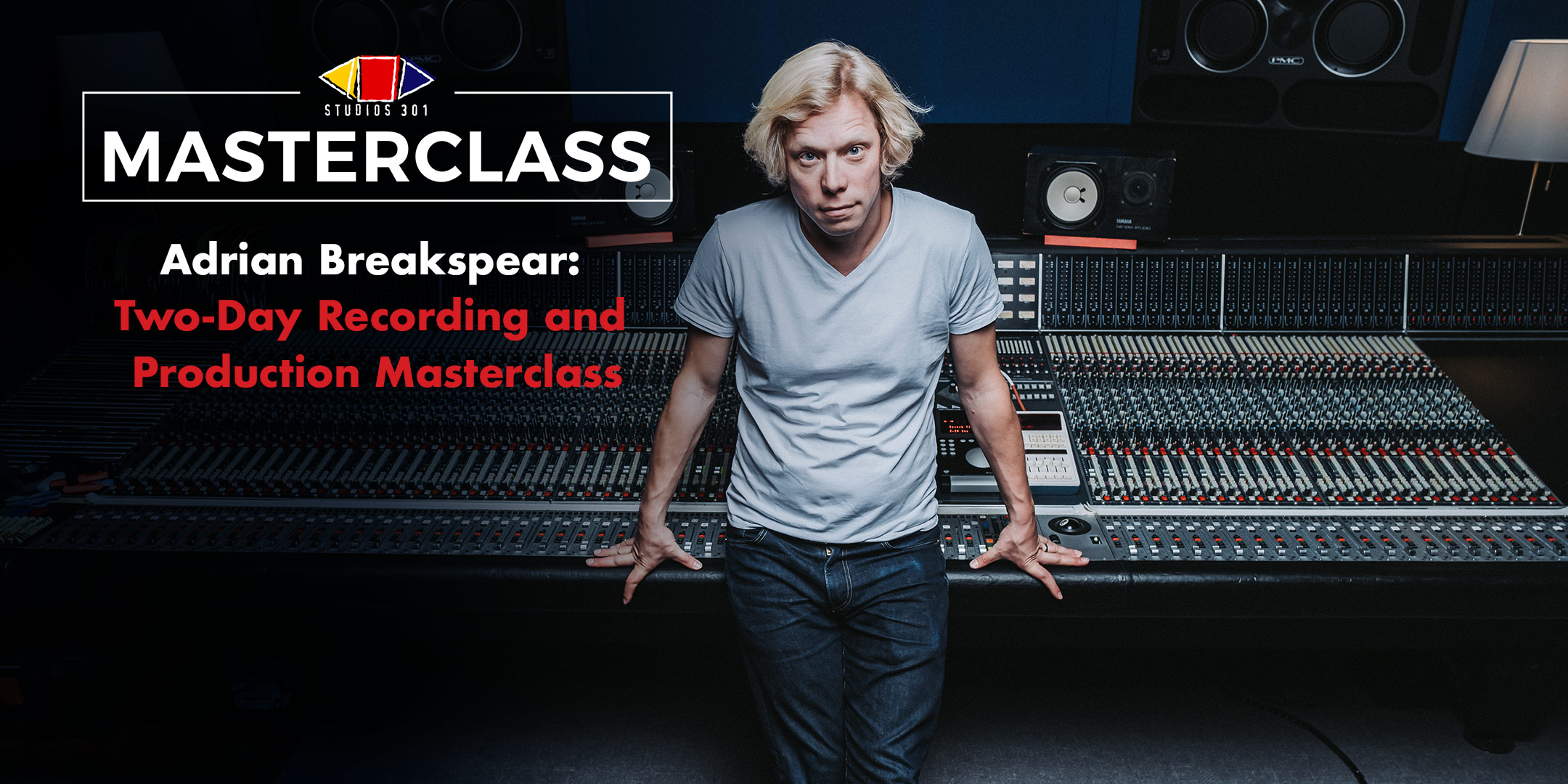
🚨 Just Announced 🚨 Adrian Breakspear: Two-Day Recording and Production Masterclass
To coincide with their latest album release “Spirals”, Wollongong indie pop collective Pirra have released a three-song live film performing at Studios 301. In the 11-minute film, the band, led by Jess Beck, perform their 2020 single ‘Limousine Lies’ followed by 2021’s ‘Drifting’ and the new album’s title track.
Sean’s powerful cover of ‘Running Up That Hill’ (Kate Bush)
Becoming homeless after a traumatic experience left Sean feeling scared and isolated. Now he wants to use his music to let others know they aren’t alone.
Last month, the Abbey Road Institute students took part in another rendition of their Songwriting Camp over their mid-trimester break. Combining the 2022 cohorts, the experience was designed to replicate real-life industry experiences. Find out more about Abbey Road Institute here.
After the inaugural launch of ‘Greater Good’ in 2021, Good Intent are back at it again with their independent artist initiative. The program gives back to the independent artist community, by providing in kind services and a cash grant totalling $20,000 AUD (double their first year pool).
We are excited to offer a recording/mix/mastering package to the winning recipient. It includes:
Aboriginal and Torres Strait Islander Scholarship – a one-of-a-kind opportunity for music creators from across Australia
The National Aboriginal and Torres Strait Islander Music Office (NATSIMO), Abbey Road Institute Australia and Studios 301 are teaming up for a second year in a row to offer a fully-paid scholarship for the CUA60520 Advanced Diploma of Music course.
Aboriginal and Torres Strait Islander music creators from across the country are encouraged to apply for the one year programme. Expressions of interest open today and will close on Friday 11 November at 5PM AEDT.
Designed by industry for industry, the CUA60520 Advanced Diploma of Music course aims to build a music professional’s capability in music production or sound engineering so they can take their career to the next level.
Artist, producer and songwriter Blake Rhodes, who performs as Mr Rhodes, was the first recipient. He will complete the course at the end of 2022. A Bundjalung man from Lismore, NSW, Rhodes relocated to Sydney to undertake his studies and expand his career.
“We at NATSIMO are thrilled to continue this scholarship and partnership with Abbey Road Institute and Studios 301. We have witnessed how this has promoted the career trajectory of Blake Rhodes as our first participant across many music industry initiatives and showcases nationally. We hope that the next Aboriginal and Torres Strait Islander producer, musician or engineer recipient of the scholarship, also enhances their creative practice and furthers their career pathways during their studies at Abbey Road Institute and Studios 301,”
said Jacob Ridgeway, Manager, NATSIMO.
“The access to this type of gear and the access to the community and the minds that are here that are more than happy to just have a yarn, check out what you are doing, give you a little feedback – nothing can top it. There’s no limit on what you can do through the program.”
Rhodes said
“I’m so proud to see Blake thriving in this opportunity. He’s really taken advantage of everything that we’ve offered, and I think he’ll be an excellent example for others when they are ready! His work ethic is exceptional; it looks like there isn’t much stopping him from achieving anything his mind sets its eyes on right now, which could also make him one influential leader down the line too (maybe even sooner than expected!),”
said Ron Haryanto, CEO, Abbey Road Institute Australia and GM, Studios 301.
“It’s a pleasure and an honour to again support this initiative with NATSIMO, and we look forward to welcoming our next scholarship recipient in 2023,”
said Haryanto.
The package is valued at a total of $30,100, which includes a $25,100 scholarship from Abbey Road Institute Australia and a $5,000 study bursary from the National Aboriginal and Torres Strait Islander Music Office and APRA AMCOS.
The successful applicant will have access to industry-standard equipment and studios throughout their studies.
In-person study will take place between Studios 301 and Abbey Road Institute’s Sydney campus, with regular recording sessions at Studios 301, to ensure the participant has access to some of the best recording facilities in the world.
This scholarship provides a chance to learn and become part of a global network in the recording industry. The participant will gain insights into the breadth of the recording industry and use this to develop their career path. They will have access to a professional network consisting of sound engineers, producers and artists.
On completion of their studies, the recipient will have the opportunity to visit Abbey Road Studios in London for the global graduation ceremony.
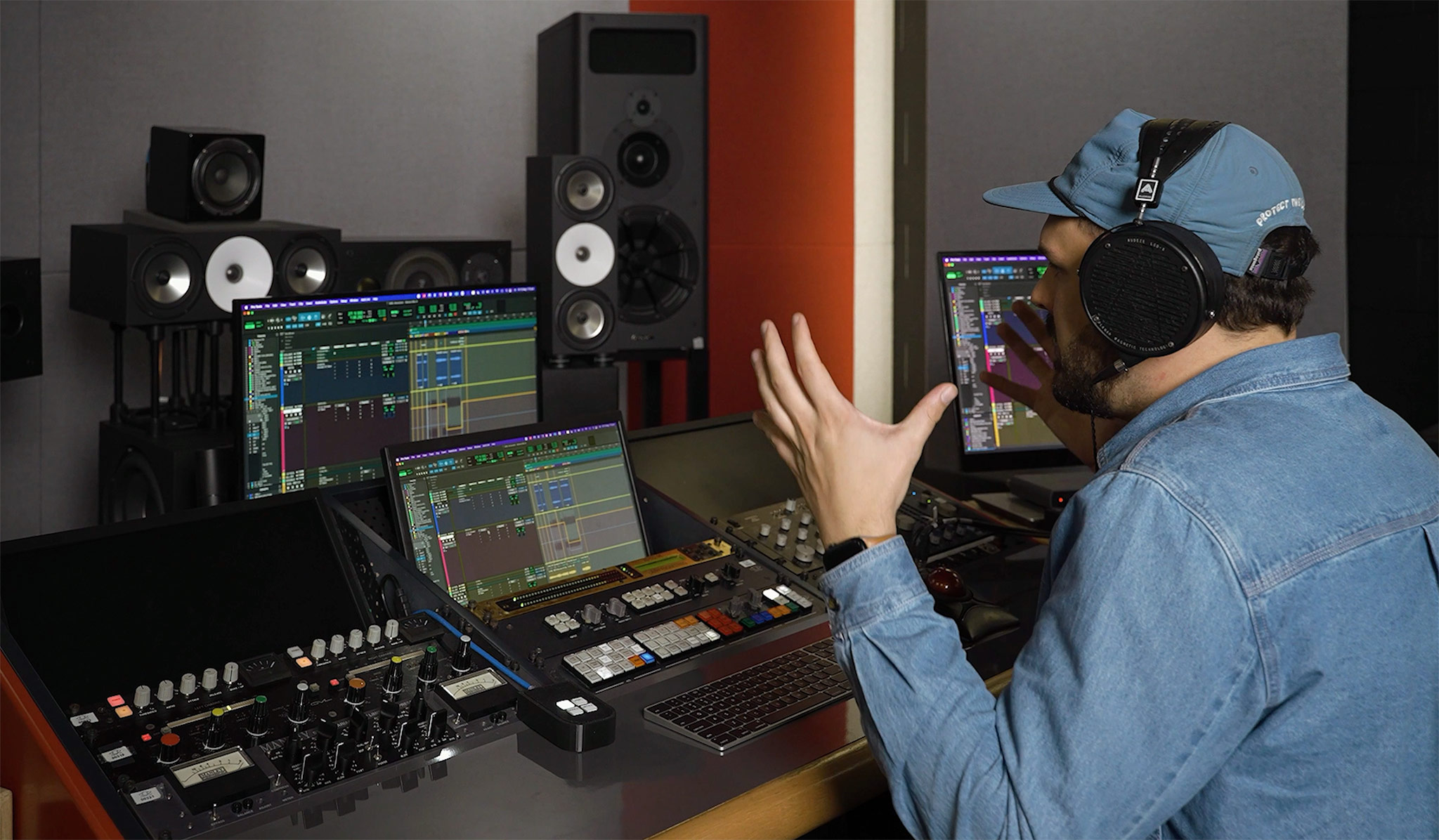
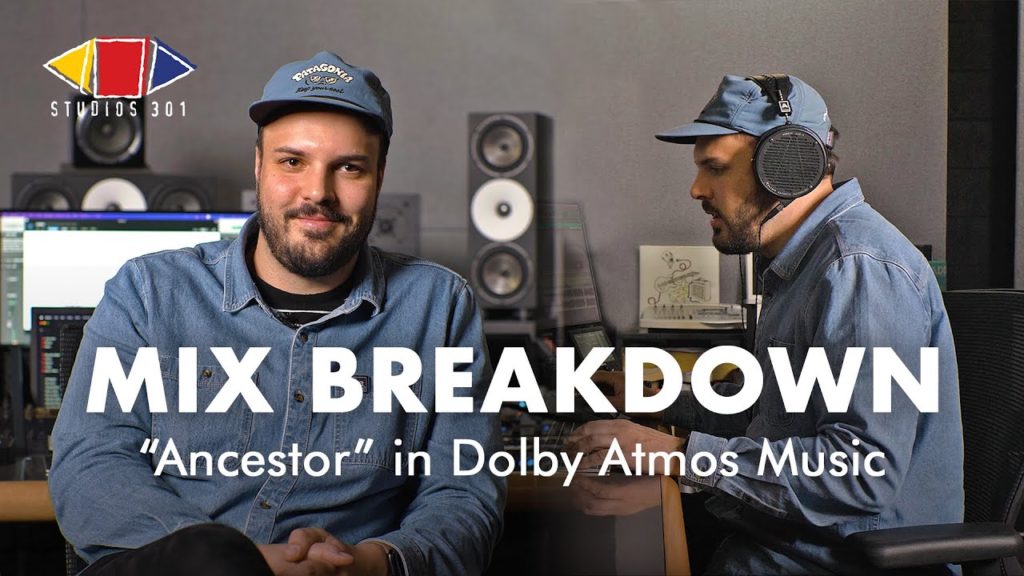
Stefan Du Randt breaks down the mixing of DOBBY’s “Ancestor” in Dolby Atmos Music and highlights the tricks and techniques to mixing a track in spatial audio.
From surrounding to immersive, Dolby Atmos is the next step in the evolution of spatial audio. Dolby Atmos Music takes your listening experience beyond the ordinary and puts you “inside” of every song, giving you unparalleled clarity for every detail of the music.
With more access to this technology than ever before, there’s never been a better time to take your listeners on a cinematic journey with Dolby Atmos Music. Ready to take your music to the next level?
The perfect space for songwriting and production sessions. Bring your laptop, plug it into the Universal Audio Apollo X8 and start writing, collaborating and tracking vocals
“Primerchord is always open to having composers pitch their work and finding ways that we can collaborate together. This workshop will be the perfect opportunity to work with the Primerchord team to create works that will be suited for immediate pitch to the library.”
The way we listen to audio has changed dramatically. In 2026, it’s evolving faster than ever. Dolby Atmos is now standard on Apple Music and Amazon Music, Google and Samsung have launched the open-source Eclipsa Audio format, and the Grammy Awards have recognised immersive audio as a standalone category since 2019.
But what actually makes Dolby Atmos different from traditional surround sound? And how does it compare to the stereo format we’ve used for nearly a century?
In this guide, we break down the key differences between stereo, surround sound and Dolby Atmos, covering how each format works and what it means for artists, producers and listeners. (For a deeper look at how Dolby Atmos Music works specifically, see our companion guide: What is Dolby Atmos Music?)
All About Stereo
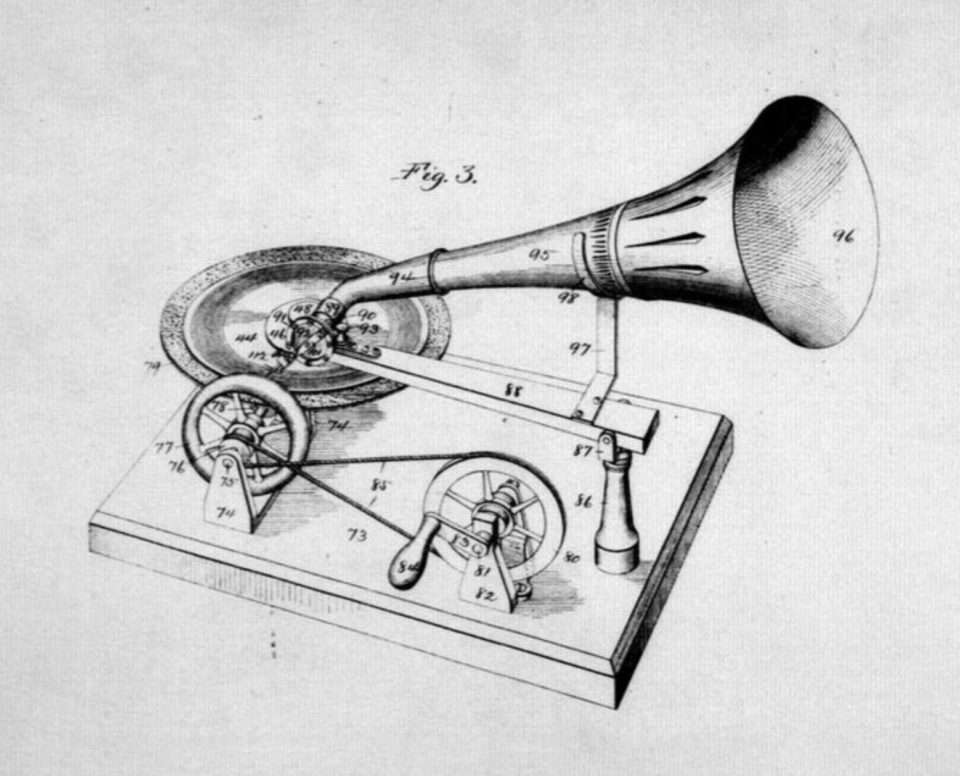
Early Gramophone Patent. United States Patent Office, Washington, D.C, 1895 (source)
Taking a quick look into the history of sound reproduction, we can trace four main steps leading up to modern spatial audio.
We began in mono: a single channel recorded with a single microphone.
Around the 1930s, stereo audio began to appear. Pioneered by engineers like Alan Blumlein at EMI (the same company that would later build Abbey Road Studios), stereo uses two microphones positioned around a sound source. The signals from each microphone are assigned to either the left or right channel, and subtle differences in timing and frequency between them create the illusion of width and space when played back.
A stereo listening setup uses two speakers. When a stereo track is played, an imaginary one-dimensional “sound field” is created between them. To hear the most convincing stereo image, you need headphones or a position equally distant from both speakers, often called the “sweet spot.”
We can move the position of a sound between the left and right channels by adjusting each side’s signal level. This is called panning. A louder signal on the left moves the sound towards the left, and vice versa. Mixing tools like EQ, compression and reverb can give the illusion that sounds are closer or further away, but they remain trapped in that one-dimensional field between the speakers.
Stereo remains the dominant format for music today. The vast majority of streaming, vinyl and digital releases are mixed and mastered in stereo.
Surround Sound: Adding Other Dimensions
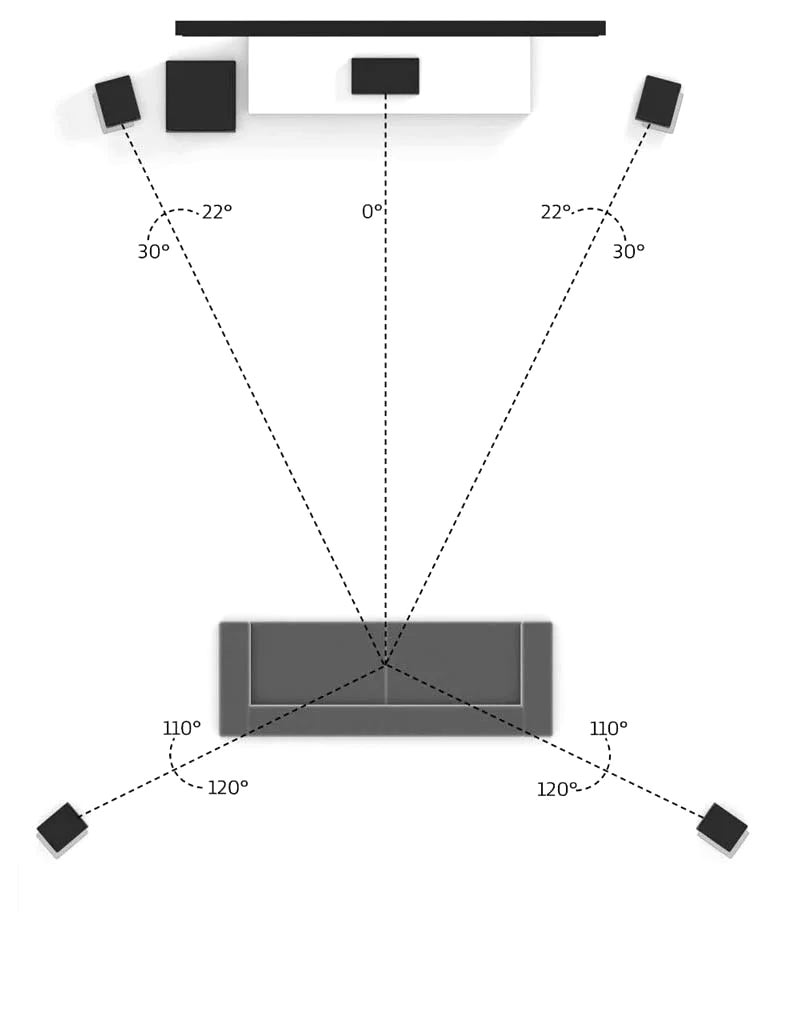
5.1 Surround Sound Setup
The next step after stereo was to add another dimension. A conventional surround sound format is described as either 5.1 or 7.1, meaning 5 or 7 speakers surrounding you at ear level, plus a subwoofer (the “.1”). This creates a two-dimensional sound field where sounds can move front-to-back as well as left-to-right.
5.1 is the most common surround sound layout and is the standard for home cinema. It consists of centre, left and right speakers in front of the listener, plus surround left and right speakers slightly behind. With this layout, sounds can be panned between any combination of the five speakers.
A 7.1 system adds four surround speakers instead of two, splitting the rear and side channels. The side speakers sit at roughly 90 degrees to the listener, while the rear speakers are positioned behind.
These layouts can be scaled up for commercial cinemas, where multiple speakers per channel account for larger audiences.
Expanding further, we can add height channels (either 2 or 4 speakers above the listener, written as “.2” or “.4”). A 7.1.2 setup, for example, gives us a three-dimensional sound field: audio can travel front-to-back, left-to-right, and up-and-down. This is where surround sound starts to become truly immersive.
All surround formats share one goal: to reproduce audio in a way that replicates how we hear in real life, as if the sound has become a physical object in the room.
Dolby Atmos vs Surround Sound: Channel-Based vs Object-Based Audio
This is where Dolby Atmos fundamentally changes the game.
Stereo and conventional surround formats are channel-based. Individual tracks in a mix are routed to specific output channels (left, right, centre, surround left, and so on). The mix is locked to a specific number of speakers. To hear it correctly, your playback system needs to match.
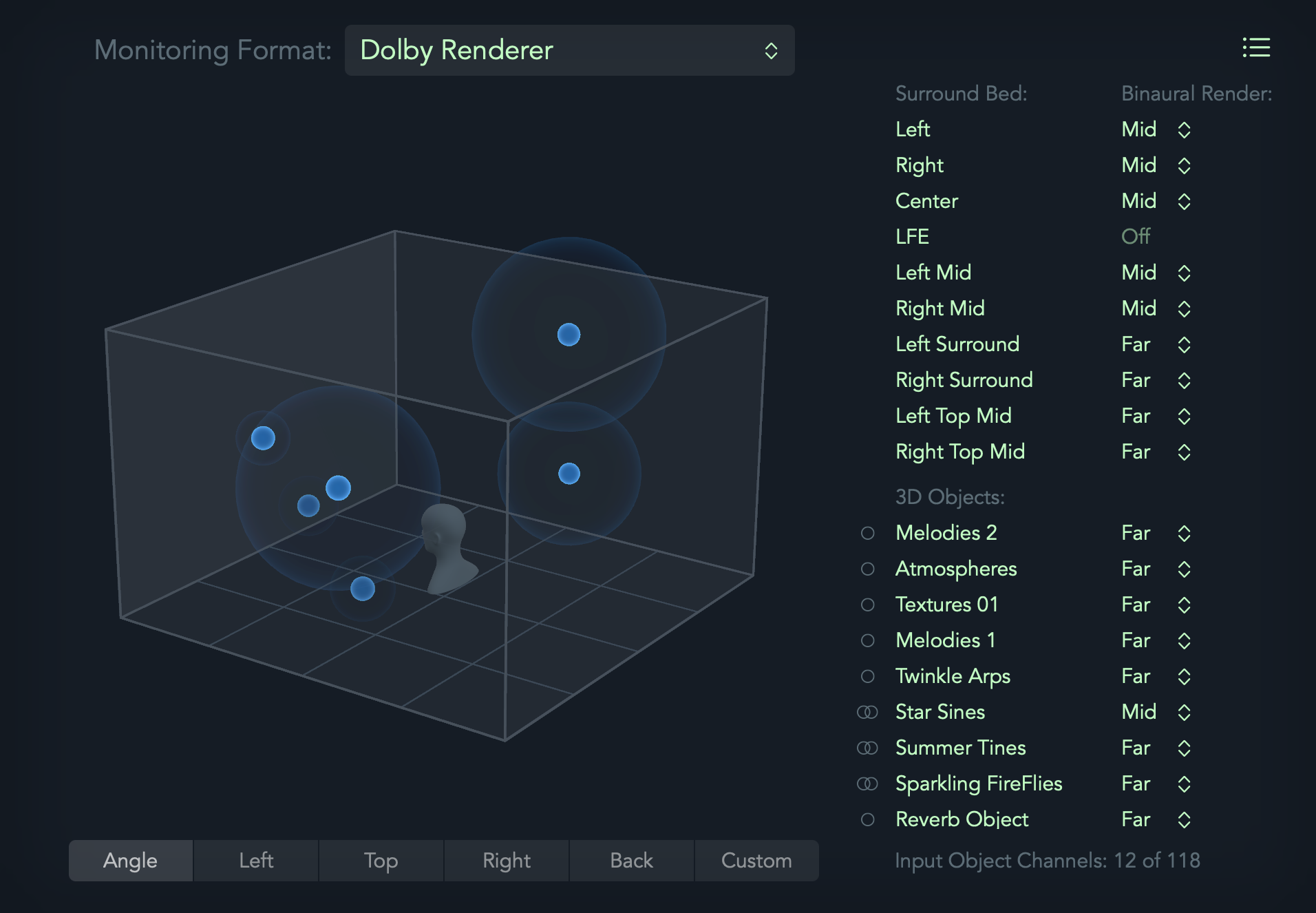
Dolby Atmos is an object-based system. Instead of panning a sound to a fixed channel, Atmos stores the sound’s position as metadata, similar to X, Y and Z coordinates in a 3D space. When the mix is played back, the Dolby Atmos renderer reads this metadata and translates it to whatever speaker layout is available: stereo, 5.1, 7.1.4, or headphones.
The Atmos renderer isn’t entirely object-based, though. It also supports a conventional channel-based approach. Sounds that won’t move around the 3D space, or recordings made with multiple microphones in stereo or surround, can be routed to a surround output bus. These fixed channels are called the “bed” in Atmos. Only bed channels can send audio to the LFE (subwoofer) channel, so bass-heavy elements typically use the bed.
Objects are better for sounds that need a precise spatial location or that move through the 3D space during playback. Each object carries a single audio signal, so a stereo recording would need two separate objects.
The renderer is what makes Dolby Atmos so versatile. The same mix plays on everything from a pair of earbuds to a 128-speaker cinema, with the renderer automatically adapting the spatial positioning. More speakers means a more precise 3D sound field, but even on headphones, the effect is convincing.
Quick Comparison: Stereo vs Surround vs Dolby Atmos
Stereo
5.1 Surround
7.1 Surround
Dolby Atmos
Speakers
2
6 (5 + sub)
8 (7 + sub)
Flexible (2 to 128+)
Sound field
1D (left/right)
2D (left/right, front/back)
2D (wider rear field)
3D (adds height)
Audio type
Channel-based
Channel-based
Channel-based
Object-based + bed
Height channels
No
No
No
Yes (2 or 4)
Adapts to playback system
No
No
No
Yes (renderer)
Headphone support
Native
Requires downmix
Requires downmix
Binaural rendering
At Studios 301, our engineers work with artists on Dolby Atmos mixing sessions, whether remixing existing stereo tracks or creating immersive mixes from scratch. Our Atmos engineer Stefan Du Randt has mixed Atmos projects across genres, from pop and electronic to classical and film.
What About Headphones?
Stereo has always been our default for music, whether on speakers at home, at a live venue, or through headphones on the go. So how do you experience immersive 3D audio through just two ear speakers?
The answer is binaural rendering. Our ears detect the position of a sound by comparing volume, frequency content and timing differences between each ear. These differences are shaped by the physical distance between your ears and the contours of your head (the “head shadow”). Binaural rendering artificially recreates these differences using HRTF (Head Related Transfer Function) algorithms, which model a virtual head shape to process the audio signal.
The limitation is that HRTFs are based on average head measurements. The further your own head shape differs from the average, the less realistic the 3D effect becomes.
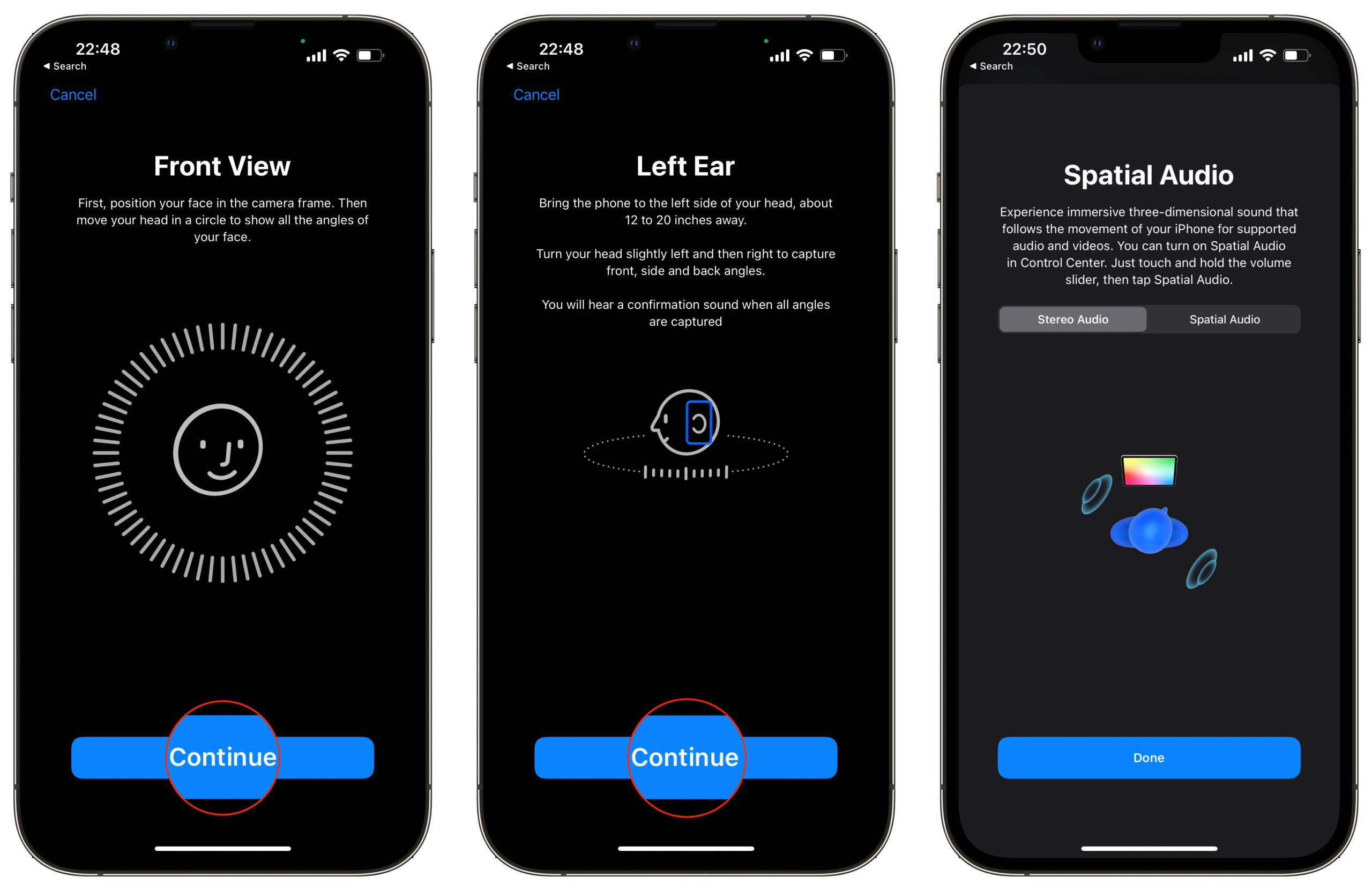
This has improved significantly since 2022. Apple’s Personalised Spatial Audio (available on iPhone and recent AirPods models) uses your phone’s TrueDepth camera to scan your face and ears, generating a custom HRTF profile optimised for your unique anatomy. The result is a noticeably more convincing spatial experience.
Dynamic head tracking takes it further. Sensors in supported headphones monitor the position of your head and adjust the audio so the sound field stays anchored in place as you move. If a guitar is placed to your right in the mix, turning your head right brings it to the centre, just as it would in real life.
Dolby Atmos mixes can be rendered to binaural audio on any headphones. Apple Music’s Spatial Audio, Amazon Music’s 3D Audio and TIDAL’s Dolby Atmos support have made this the primary way most listeners experience immersive music, with no speaker system required.
Spatial Audio in 2026: Where Things Stand Now
The spatial audio landscape has shifted dramatically since Dolby Atmos Music first launched on streaming platforms.
Dolby Atmos remains the dominant immersive music format. Apple Music reported that over 90% of its listeners have tried Spatial Audio, and immersive tracks now account for nearly one-third of all plays. Amazon Music and TIDAL continue to expand their Atmos catalogues, and 85 of the top 100 Billboard artists released music in Dolby Atmos over the past year.
Eclipsa Audio, introduced by Google and Samsung in January 2025, is a new open-source, royalty-free spatial audio format developed through the Alliance for Open Media. Unlike Dolby Atmos (which requires licensing), Eclipsa is free for anyone to create and distribute. Samsung’s 2025 TV and soundbar lineup supports it natively, YouTube accepts Eclipsa Audio uploads, and Google has released free Pro Tools plugins for Eclipsa mixing. It’s early days, but the removal of licensing barriers could make spatial audio accessible to far more independent creators.
Apple quietly unveiled its own spatial audio format, ASAF (Apple Spatial Audio Format), at WWDC 2025, building on its existing Dolby Atmos infrastructure with enhanced head-tracking capabilities.
Spotify, the world’s largest streaming platform, still does not natively support Dolby Atmos or spatial audio as of early 2026. The company has acknowledged it is working on immersive audio features, but no launch date has been confirmed.
The Grammy Awards added the Best Immersive Audio Album category in 2019. Recent winners include Peter Gabriel’s i/o (In-Side Mix) in 2025 and Justin Gray’s Immersed in 2026, demonstrating that the music industry takes spatial audio seriously as a creative format, not just a technical novelty.
Is Dolby Atmos the Future of Music?
In 2022, the question was whether Dolby Atmos would go mainstream. In 2026, the answer is clear: immersive audio is here to stay.
The real question now is which format will dominate. Dolby Atmos has the catalogue, the ecosystem and the artist buy-in. Eclipsa Audio offers an open-source alternative that could accelerate adoption, particularly on Android and YouTube. Apple is building its own proprietary extensions.
For artists and producers, the practical takeaway is straightforward: releasing in Dolby Atmos gives your music access to the fastest-growing segment of music streaming. And with binaural rendering making the experience available to anyone with headphones, the barrier to entry for listeners has essentially disappeared.
Frequently Asked Questions
Is Dolby Atmos the same as surround sound? No. Surround sound is channel-based, meaning audio is mixed for a specific speaker layout like 5.1 or 7.1. Dolby Atmos is object-based, meaning sounds are positioned in a 3D space and the renderer adapts the mix to whatever playback system you have, from headphones to a cinema.
Do I need special speakers for Dolby Atmos? No. Dolby Atmos can be experienced on any headphones through binaural rendering. For a speaker-based experience, a soundbar with Atmos support or a 5.1.2+ speaker setup will deliver the full spatial effect.
Can I listen to Dolby Atmos on Spotify? As of early 2026, Spotify does not natively support Dolby Atmos or spatial audio. Dolby Atmos Music is available on Apple Music, Amazon Music and TIDAL.
What is Eclipsa Audio? Eclipsa Audio is an open-source, royalty-free spatial audio format developed by Google and Samsung through the Alliance for Open Media. It offers similar immersive audio capabilities to Dolby Atmos but without licensing fees.
Is Dolby Atmos worth it for music? Yes, especially for artists seeking to differentiate their releases. Over 90% of Apple Music listeners have tried Spatial Audio, and immersive mixes now account for nearly a third of all plays on the platform. The Grammy Awards have also recognised immersive audio as a standalone category since 2019.
Get Your Music Mixed in Dolby Atmos
Ready to take your music into three dimensions? Studios 301 offers professional Dolby Atmos mixing for artists and labels. Whether you’re creating a new immersive mix from scratch or adapting an existing stereo release, our engineers can help.
Picture your music wrapping around the listener, not just from left and right, but from above, behind, and every direction in between. That’s Dolby Atmos Music.
Over 90% of Apple Music listeners have experienced Spatial Audio, and nearly a third of all plays on the platform are now in Dolby Atmos. Originally developed for cinema in 2012, Dolby Atmos has become the dominant format for immersive music, and it’s no longer a niche technology.
In this guide: how Dolby Atmos Music works, where to listen to it, and how to get your own tracks mixed in Atmos at Studios 301.
How Dolby Atmos Music Works
Dolby Atmos Music differs from traditional surround sound in two fundamental ways:
Height channels. A typical surround setup places 5 or 7 speakers around you at ear level. Dolby Atmos adds speakers overhead, so sound can come from above as well as from all sides, creating a true 3D listening space.
Object-based audio. Traditional surround sound is channel-based: audio is mixed for a fixed speaker layout (such as 5.1 or 7.1). Dolby Atmos uses coordinates in a virtual 3D space to position each sound as a discrete “object.” This means the same mix can be played back on anything from headphones to a 128-speaker cinema. The Dolby Atmos renderer automatically adapts the spatial positioning to the available system.
Dolby Atmos Channels vs. Speakers: How It Scales
A typical 7.1.4 Dolby Atmos Speaker Setup via dolby.com
Understanding the difference between channels and speakers is key to understanding how Dolby Atmos scales.
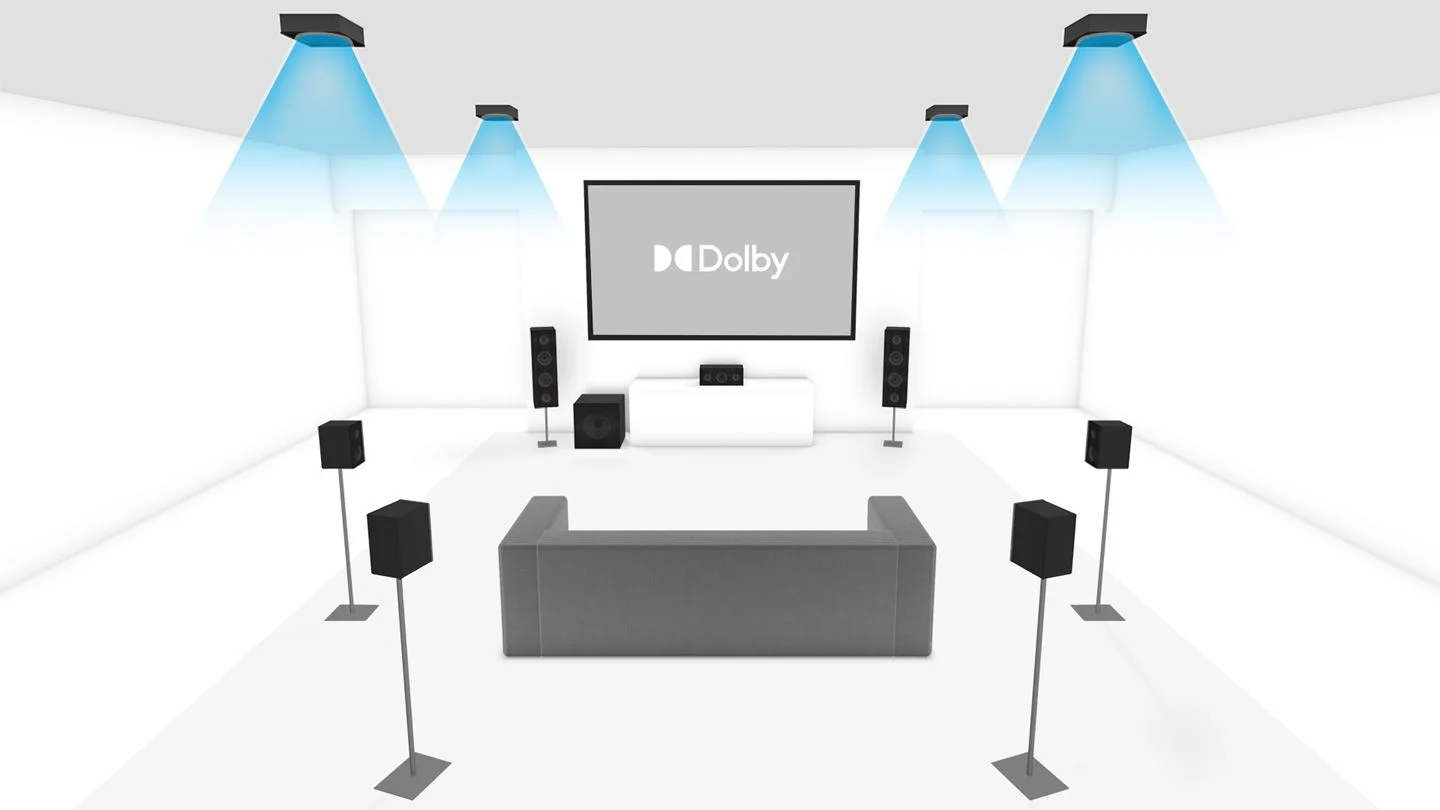
In a small home cinema, you might have one speaker per channel: three at the front (left, centre, right), two at the sides and two behind. Scale that up to a commercial cinema and you might need six speakers along the left wall alone, all playing the same “left” channel signal.
Dolby Atmos goes further. It can detect how many speakers are available and control each one independently, moving sounds through the space with precision. Whether your setup has five speakers or 128, the positions you set in the mix translate accurately, on any system, every time.
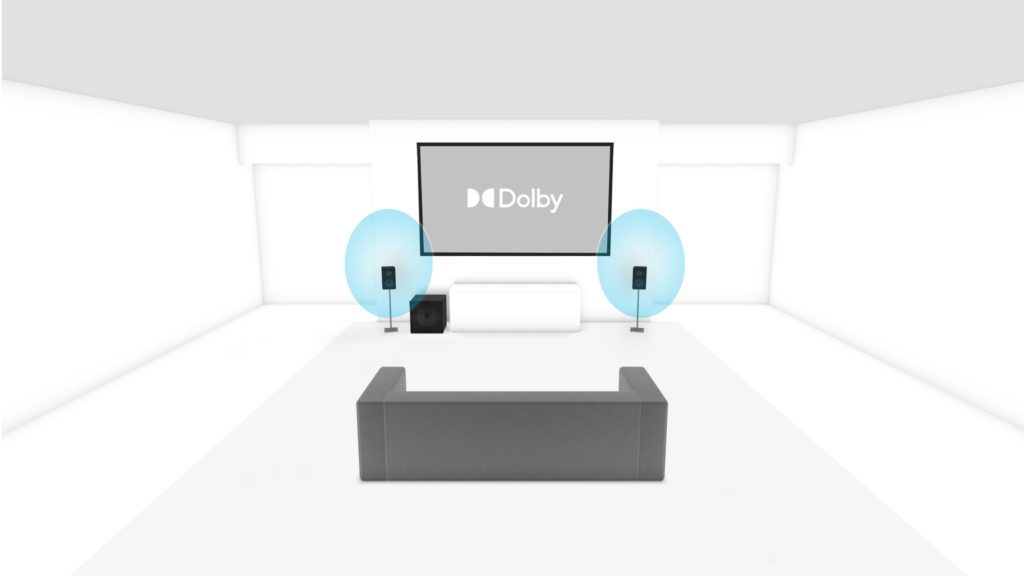
A Dolby Atmos setup can be as simple as 2 speakers and a subwoofer. via dolby.com
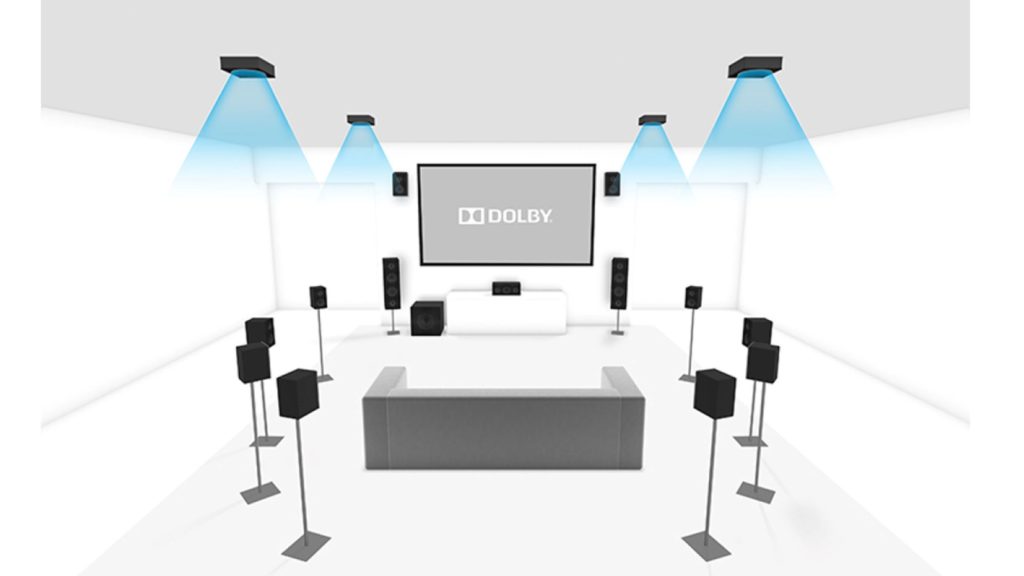
More complex setup with 11 speakers around the listener 11.1.8 Dolby Atmos Setup. via dolby.com
A Brief History of Dolby Atmos
Dolby Atmos debuted in 2012 with the premiere of Disney Pixar’s Brave at the Dolby Theatre in Los Angeles. It represented the latest step in a progression from mono, to stereo, to surround sound, to fully immersive 3D audio.
Surround sound began with the 5.1 format: five channels plus a subwoofer (LFE). This was followed by 7.1, which added two more rear channels. Dolby Atmos built on this by introducing 2 to 4 height channels on the ceiling, enabling setups like 5.1.2, 5.1.4, 7.1.2 and 7.1.4.
For years, surround sound and Dolby Atmos were largely confined to cinemas and professional studios. That changed when streaming services and consumer devices began supporting Atmos playback, making immersive audio accessible to anyone with a pair of headphones.
Can I Listen to Dolby Atmos on Headphones?
Yes. For most people, headphones are where they first experience Dolby Atmos Music.
Even with just two ear speakers, immersive audio is possible through binaural rendering. This technique uses algorithms that simulate how sound reaches each ear differently, accounting for direction, distance, and the physical shape of your head. The result is a convincing 3D sound field through ordinary headphones.
Apple’s Personalised Spatial Audio improves on this by using the TrueDepth camera on iPhone to scan your face and ears, generating a custom audio profile tailored to your anatomy. This produces a significantly more realistic spatial experience than generic algorithms.
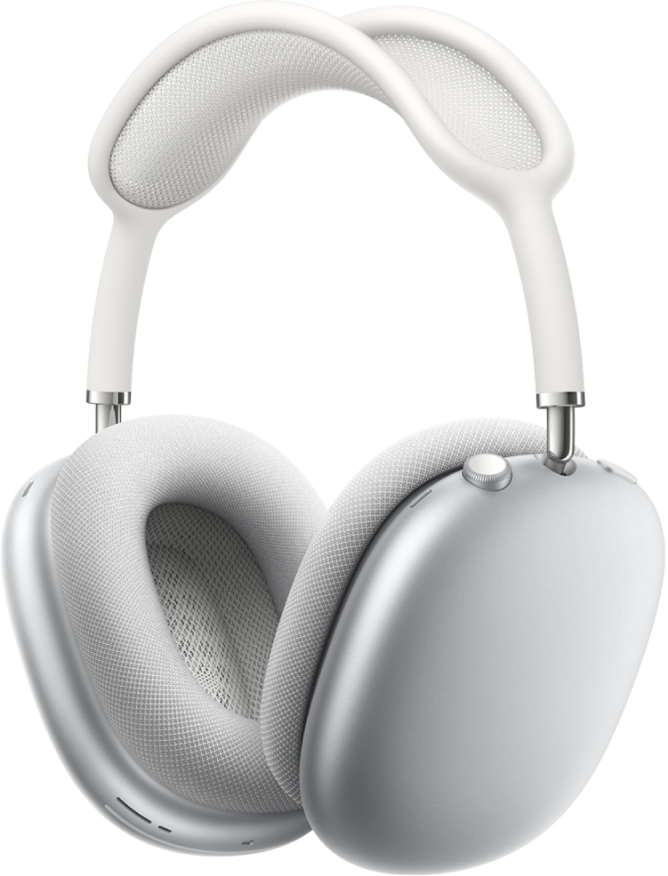
Dynamic head tracking, available on AirPods Pro, AirPods Max and other compatible headphones, monitors your head position and adjusts the audio in real time. Turn your head to the right and the sound field stays anchored in place, just as it would in a real room.
While any headphones can play the binaural version of a Dolby Atmos mix, Spatial Audio-enabled headphones with multiple drivers and head-tracking sensors deliver the most immersive experience.
Where Can You Listen to Dolby Atmos Music?
As of 2026, Dolby Atmos Music is available on these major streaming platforms:
Apple Music has the largest Atmos music catalogue. Over 90% of Apple Music listeners have tried Spatial Audio, and immersive tracks now account for nearly one-third of all plays. 85 of the top 100 Billboard artists released music in Dolby Atmos in the past year. Available on all Apple devices, plus supported third-party headphones.
Amazon Music Unlimited added Dolby Atmos support in 2019. Available on Echo Studio, Fire TV, compatible soundbars and headphones.
TIDAL supports Dolby Atmos and Sony 360 Reality Audio across its HiFi Plus tier.
Spotify does not currently support Dolby Atmos or spatial audio. The company has acknowledged development work on immersive audio features, but no launch date has been announced.
For the best headphone experience, Apple’s AirPods Pro or AirPods Max with Personalised Spatial Audio and head tracking are currently the benchmark. But any headphones connected to a device with Atmos support will work.
Why Mix Your Music in Dolby Atmos?
The ability to experience Dolby Atmos on virtually any device (from headphones to soundbars to car audio systems) makes it an increasingly important format for artists and producers.
Creative freedom. Dolby Atmos gives you a new dimension of sound placement. Instead of fighting for space in a stereo mix, instruments can be separated physically: above, beside, behind the listener, so every element is heard clearly. Busy mixes can breathe. Sparse arrangements can feel enormous.
“It really is the future of music. The format can make your mixes feel cinematic and immersive, almost like you’re watching the story of the song unfold.”
Stefan Du Randt
If you’re ready to take your music into three dimensions, here’s what you need to get started:
What to prepare before your session:
A final, signed-off stereo master. Stereo and Dolby Atmos are separate formats. We use the finished stereo master as a reference to ensure the Atmos mix matches the vibe and loudness of the stereo version. (If you don’t have a stereo mix yet, you can book a “Full Mix” session that includes both stereo and Dolby Atmos.)
Mix stems at 48kHz / 24-bit. Individual stems (drums, bass, vocals, instruments, etc.) give the Atmos engineer the control needed to position sounds accurately in the 3D space.
What to expect:
An Atmos mixing session at Studios 301 typically takes a few hours per track for a remix from stems. Most professional Dolby Atmos mixes are created in Pro Tools using the Dolby Atmos Production Suite renderer, or in Logic Pro which has native Spatial Audio tools. The calibrated monitoring environment of a purpose-built Atmos room, where you can physically hear how the mix behaves across a full speaker array, is difficult to replicate at home.
Our engineers have delivered Atmos mixes for major label releases and independent artists alike. The process is the same, and so is the attention to detail.
The final deliverable is a Dolby Atmos ADM BWF file, the master format accepted by all major distributors for streaming on Apple Music, Amazon Music and TIDAL.
One common question: if a listener doesn’t have Atmos support, what do they hear? The Dolby Atmos master automatically generates a stereo downmix for standard playback. Your listeners always get something, and Atmos listeners get something better.
Dolby Atmos isn’t the only immersive format anymore. In January 2025, Google and Samsung introduced Eclipsa Audio, an open-source, royalty-free spatial audio format developed through the Alliance for Open Media. Eclipsa removes the licensing barriers that have made Dolby Atmos production costly, and Google has released free Pro Tools plugins for creating Eclipsa content.
Apple also unveiled its own format, ASAF (Apple Spatial Audio Format), at WWDC 2025, extending its Atmos infrastructure with enhanced head-tracking capabilities.
For artists, this growing ecosystem of spatial audio formats is a strong signal: immersive audio is here to stay, and investing in spatial mixing now positions your music for the future, regardless of which format ultimately dominates.
If you’re wondering what this means for your music right now, the questions below are the ones we hear most from artists, producers and labels.
Frequently Asked Questions
What is Dolby Atmos Music? Dolby Atmos Music is an immersive audio format that allows artists and producers to mix sound in three-dimensional space. Unlike stereo (left/right) or surround sound (a fixed ring of speakers), Dolby Atmos uses object-based audio to position sounds above, below, behind and around the listener.
Can I listen to Dolby Atmos on any headphones? Yes. Any headphones can play the binaural version of a Dolby Atmos mix through a compatible streaming service like Apple Music. For the best experience, headphones with Spatial Audio support and head tracking (such as AirPods Pro or AirPods Max) are recommended.
Does Spotify support Dolby Atmos? As of early 2026, Spotify does not support Dolby Atmos or spatial audio. Atmos Music is available on Apple Music, Amazon Music and TIDAL.
How much does Dolby Atmos mixing cost? At Studios 301, Dolby Atmos mixing is priced per track or per album depending on stem complexity and session length. Contact us for a quote; most single-track Atmos mixes are completed in a single session.
What’s the difference between Dolby Atmos and spatial audio? “Spatial audio” is a broad term for any audio technology that creates a three-dimensional sound experience. Dolby Atmos is one specific spatial audio format, and the most widely adopted for music streaming. Apple Music markets its Dolby Atmos support under the “Spatial Audio” brand.
Do I need a Dolby Atmos mix to release on Apple Music? No. Apple Music accepts stereo releases as standard. However, tracks delivered in Dolby Atmos are eligible for featured Spatial Audio playlists and are increasingly favoured by the algorithm. Having both a stereo master and a Dolby Atmos mix gives you the widest potential reach.
Get Your Music Mixed in Dolby Atmos
Ready to make your music immersive? Studios 301 offers professional Dolby Atmos mixing for artists, producers and labels.
You can imagine the variety of requests and bookings we get through the doors at Studios 301. Every project is different and every project is memorable in some way. Songbirds is one of those projects. Steve Smart and I were fascinated about the technical aspects and logistics for this collaboration and how, with some credible industry supporters, they manage to get a great cause across the line in one of the strictest of environments.
Steve, who needs no introduction into the music world, with his ridiculous amount of credits under his belt, veteran of the music scene, master of the versatile, has mastered the last two instalments of the Songbirds project and we were really keen to know more about the inmates, their stories and the recording process.
Songbirds is part of the Community Restorative Centre, which has been around for close to 70 years supporting people affected by the criminal justice system and aims to change lives positively within their communities in NSW. The project facilitates songwriting and arts workshops in NSW prisons which is inspired by successful overseas prison-arts programs such as Jail Guitar Doors, Bread and Roses (US and UK) and Vox Liminis (Scotland).
Under the guidance of Director Murray Cook (musician, teacher, songwriter and performer), the program aims to create an environment for prisoners to share experiences and work with acclaimed and successful artists to produce tracks they have written. Songs are written and recorded inside the prison walls from Long Bay to Broken Hill.
And the credible supporters part? They also need no introduction but on this album tracks were produced by five times ARIA winning producer Paul McKercher (Iggy Pop, Hoodoo Gurus, Midnight Oil, Cruel Sea, You Am I) at the state-of-the-art Free Energy Device studio and features cameos from a stellar cast of musicians, including Jim Moginie (Midnight Oil), Scott Johnston (Rose Tattoo), Abby Dobson (Leonardo’s Bride, Baby et Lulu) and Bow Campbell (Front End Loader, Dead Marines) and of course mastered by Steve Smart at Studios 301.
We invited Murray into 301 to chat about the project as we were so fascinated by the overwhelming talent coming from within those walls. We really wanted to learn how Murray delivers each instalment with such class and faces constant limitations of minimal technology whilst adhering to strict prison regulations. Obviously each artist’s name is protected and published in their first name for privacy issues but it really doesn’t deter from the stories they tell and the medium in which they choose to represent themselves.
Every aspect is thought of, even down to the symbolic cover art of the album, designed by an inmate by the name of Tiny. His “Magpie” featured on the cover is representative of the healing power of music and the freedom it can bring. The songs and albums are transformative and a release of something albeit maybe figuretly for the time being.
I think the most beautiful thing about this project is the way each person is given a platform creatively, and kudos to Murray, who makes each song shine. The project in Murray’s words is really about using the music as a transformative and healing venture for the inmates. The program doesn’t stop there either, it continues to support participants with music and creativity, linking people with continuing opportunities and organisations that help them post-release of both album and human. Murray believes that projects like these can reduce social isolation that is definitely a factor for not just prison for the covid world as well.
Check out Murray and Steve having a chat on the Mastering Couch on our socials.
If you would like to donate to this and future projects you can do so here:
After the success of his previous 3 Day Masterclasses, we are proud to present the next instalment of Simon Cohen’s deep-dive into Vocal Recording, Editing and Production for pop music. Simon will guide you on an in-depth illustrative look at his vocal recording process live with a vocalist, take you through editing, mixing and producing a vocal, and share some of his secret techniques specifically for pop vocals.
Schedule
Day 1: Vocal Recording This session will focus primarily on recording and capturing final vocals in a session.
Day 2: Vocal Editing & Production In this session, Simon will focus on production of the final vocal after your recording session.
Day 3: Tips & Tricks + in-depth Q&A In this session, Simon will cover the remaining techniques that you can implement to produce world-class vocal tracks that will make your songs stand out from the rest. Additionally on this day you will also be able to play your recordings and get direct feedback and advice from Simon.
Come and see what the 301 Academy is about and met the 301 Academy team who will take you through a complete breakdown of our September project week on week outlining the end-to-end process.
The 301 Academy is a place where you can learn from some of the best in your field. Facilitated in the studios where artists like Lizzo, Cold Chisel, Katy Perry, Zedd, Delta Goodrem, Parkway Drive and more have recorded.
Studios 301 is very excited to be able to extend an exclusive $5,000 scholarship for APRA AMCOS members under 25 years old towards tuition fees for Abbey Road Institute Sydney’s Advanced Diploma of Music Course (Qualification Code CUA60520) starting July 18th 2022.
Abbey Road Institute Sydney’s direct collaboration and colocation with Studios 301 makes our one-year advanced diploma the only industry-based training course where students can learn in the iconic Studios 301 facilities with Producers and Engineers working in those facilities and the latest innovations including Dolby Atmos. Students join the Studios 301 community and are immersed in the actual music industry from day one.
Why study with Abbey Road Institute Sydney (RTO ID 41377)?
Our Advanced Diploma of Music is a 1-year fast-paced and hands-on engineering and music production course designed by engineers at the world-famous Abbey Road Studios in London and conducted in colocation with the premiere recording studios in Australia – Studios 301
Learn in the industry, not about the industry. In Sydney, Abbey Road Institute operates in direct collaboration and colocation with Studios 301. All practical work is done at Studios 301 with industry engineers and producers working in tier 1 commercial studios
Practical hands-on lessons throughout the course, allowing you to develop a broad range of skills covering industry-standard software including Pro-Tools, Ableton Live & Logic Pro
Attend the Global Graduation at the world-famous Abbey Road Studios in London
Join the Studios 301 community and build your own industry network through access to all Studios 301 events, short courses, masterclasses and exclusive discounts on services and studios
Terms and conditions
This APRA member offer is towards tuition fees only.
Applicants need to submit a successful application via the Abbey Road Institute Sydney website subject to the Abbey Road Institute’s full terms and conditions
Chelsea Warner is a meticulous producer, songwriter, vocalist and multi-instrumentalist and we’re excited to welcome her to the amazing roster of Studios 301 producers and engineers. We sat down with Chelsea to get to know her a little bit and find out more about what she’s up to and what inspires her:
Tell us a bit about your musical background
I have always been constantly drawn to anything and everything musical around me, and that eventually translated into learning keys, guitar, songwriting, production, singing + vocal production when I was in school. While studying at the Sydney Conservatorium of Music I found myself falling in love with jazz & neo-soul, becoming absolutely infatuated with Erykah Badu & D’Angelo, as well as old school hip hop, like A Tribe Called Quest & Slum Village. As I grew as a writer & producer, an early obsession with J Dilla ended up combining with my more modern R&B and pop influences, like Ariana Grande, SZA & Smino/Monte Booker, to create my current lane of R&B.
As both a writer/producer and artist, I naturally leave my musical fingerprints on whatever I work on, but I love moving in-between genres and helping other artists realise their visions, no matter what the style. Since I started working within the songwriting scene in Sydney, I’ve grown to love working on other artists’ music & being able to help with their storytelling just as much as my own.
Apart from being an amazing songwriter and producer, you’re also a multi-instrumentalist. What’s your main instrument of choice to get creative with?
When I write on piano it’s completely different to when I write on guitar. I have more theoretical knowledge of piano, so I often think a lot more technically and tend to understand what I’m playing and why it is/isn’t working. On guitar though, I see shapes more than I see actual chord voicings, so sometimes if I get experimental I end up with cool progressions and voicings that I have no idea what to call, which is fun.
How did you get signed to Universal Music Publishing and how did that change your career pathway?
I met Arwen Hunt (Vice President, Creative/A&R AU/NZ) at a guest lecture at my university. I bravely sent her some of my own demos and strangely enough, the relationship kind of snowballed from there & I ended up being thrown into heaps of writing sessions by the team at UMPG. Eventually I signed with them as a writer/producer/artist, and it helped me indescribably to get my foot in the door as a young writer and producer.
“Execute” by Nardean feat. Chelsea Warner
How do you approach the writing process? Do you have a go-to starting point?
I always start with chords or a sample, especially when I’m driving a writing session as a producer, and I love building up the harmonic elements first. If it’s just me writing with a guitar or at the piano, the chords and vocals always somehow come out together.
You’re in the middle of nowhere & inspiration strikes. What do you do?
Do I have a notebook or my phone to voice memo? If I have a way to record the idea, I’ll do that and probably finish the song then and there. It happens sometimes – a whole song just flows through you, and if you don’t grab it out of the air, it’ll float past you.
What are your production tools you can’t do without?
A sampler of some sort (I use the Ableton one but I want to get a physical one). Lately, Spectre by Waves Factory. And a midi keyboard – I’ve tried drawing things in or just not using keys-based instruments when I’m on the go or don’t have a keyboard for some reason, but I just really prefer being able to play some layers in.
You’re a versatile producer, songwriter, artist, multi-instrumentalist, beat producer, vocal arranger and more. Do you see yourself naturally adding more and more skills to your arsenal over time? What are some new skills you’re diving into at the moment?
Of course – I owe absolutely everything in my life to a general sense of curiosity and love of learning. I’m not satisfied if I don’t deeply understand something & I chase the feeling of constant growth. I really want to become a better mixer, so I would love to learn more about engineering and audio in general, as well as studio hardware.
Make sure to visit Chelsea’s Profile page to read more about her, listen to some of her work and book her for your next production.