We brought in 2020 with a star-studded January, featuring a lineup of global hitmakers international artists.
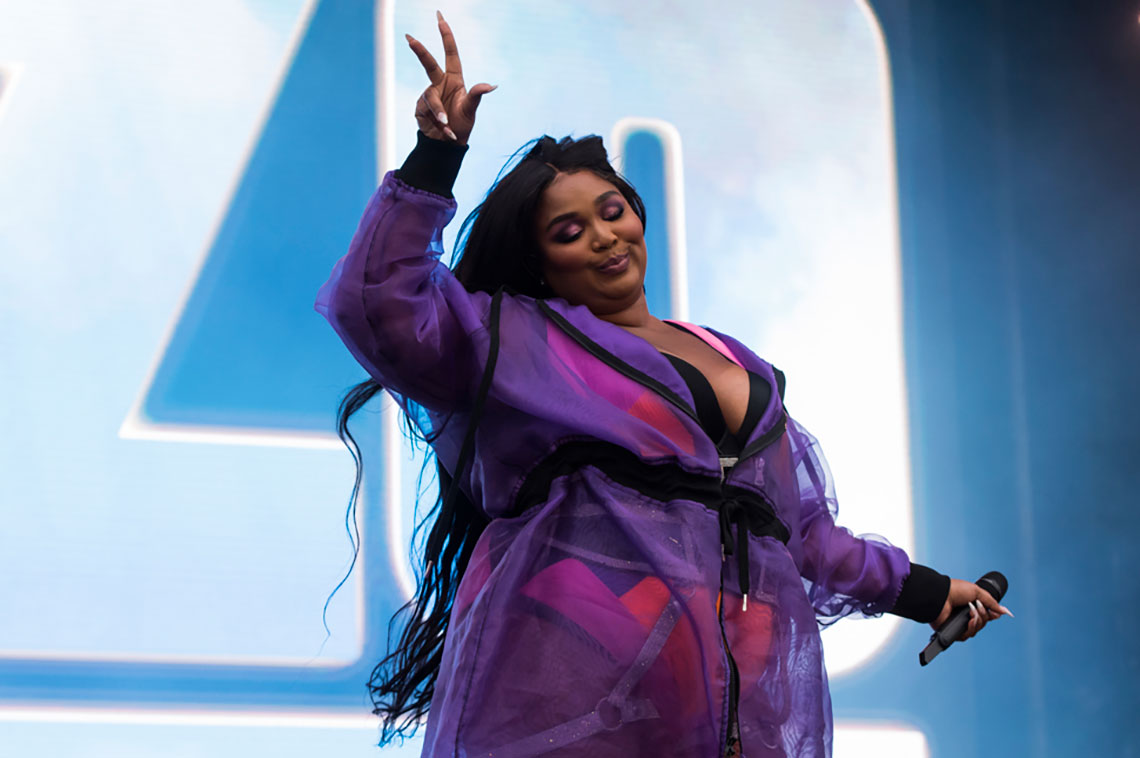
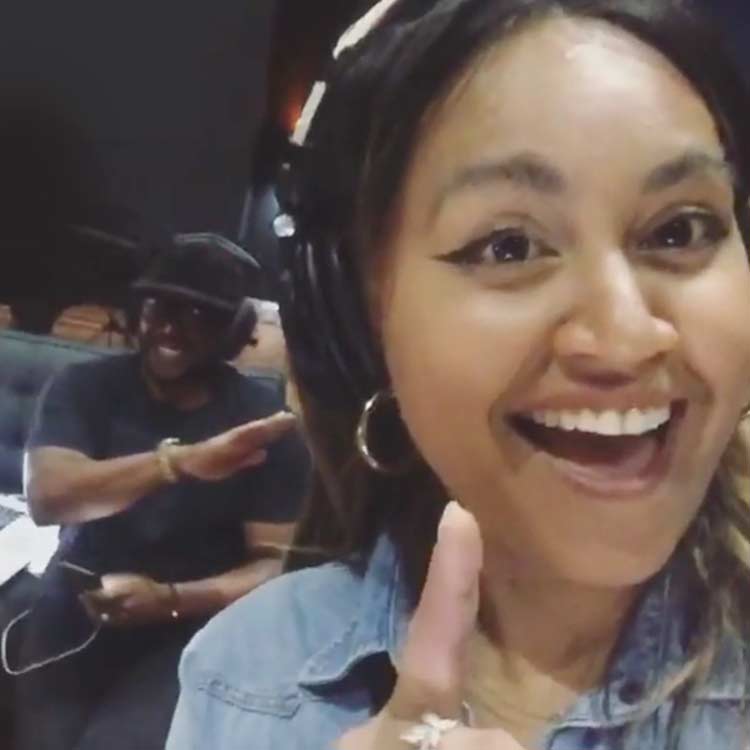
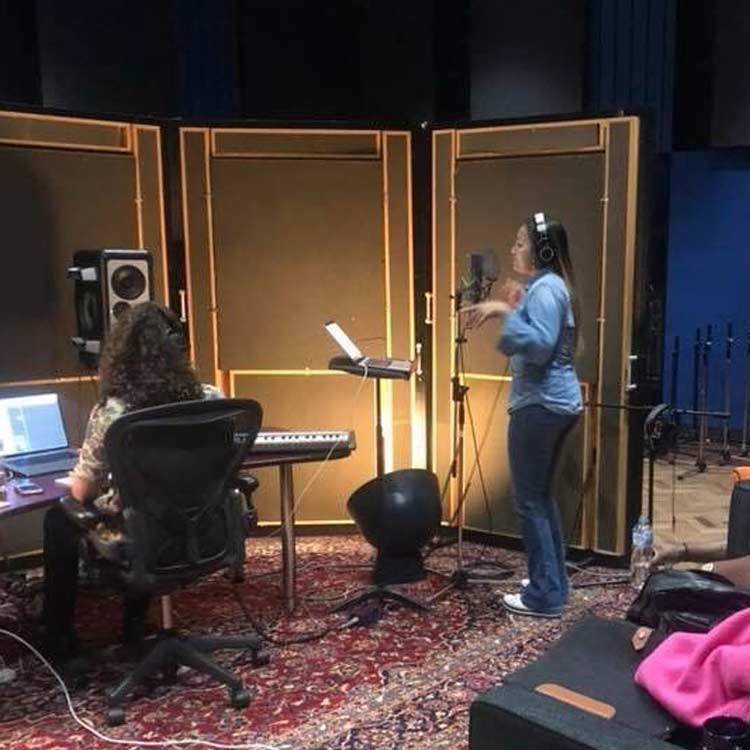
Superstar vocalist and Grammy Award winning artist Lizzo recorded vocals and put final touches on a new single in Studio 1, which was engineered by our very own Simon Cohen.
Fellow FOMO festival artists also took up residency at 301 including A Boogie Wit Da Hoodie, Giggs and Rico Nasty engineered by Tom Garnett with Jess Des, not to mention The Black Eyed Peas who were locked out in Studio 2 for a week working on new material engineered by Simon Cohen.
Our favourite homegrown hero Delta Goodrem was in Studio 1 for a choir and piano recording, Genesis Owusu locked out Studio 3 working on a new album with Simon Cohen, Slowly Building Weapons were locked out in Studio 1 with Tim Carr engineering, Paris Jefferies laid down drum tracks in Studio 2 for The Avalanches which was engineered by Tom Garnett, and Vera Blue was recording in Studio 1 for the ICC T20 World Cup Opening Celebration, which will be a live performance at Sydney Olympic Park later this month.
January was the month of stellar albums at Studios 301 with Sensory Concerts recording in Studio 1, Scots College laying down a release with 60 piece orchestra and jazz ensemble, Sarah Thompson recorded a new chamber ensemble album, MONET recorded his EP and Chris Cody recorded his jazz octet album.
Further sessions included Carmen Reece and Samantha Jade, Boomchild, Touch Sensitive, Conrad Sewell, Emma Pask, Cone Of Confusion, The Kid Laroi, Electric Fields, L-FRESH The LION, “Remote Music”, The Voice TV Show, Whipped Cream, Tkay Maizda, HARTLEY and many more.
Masterclasses
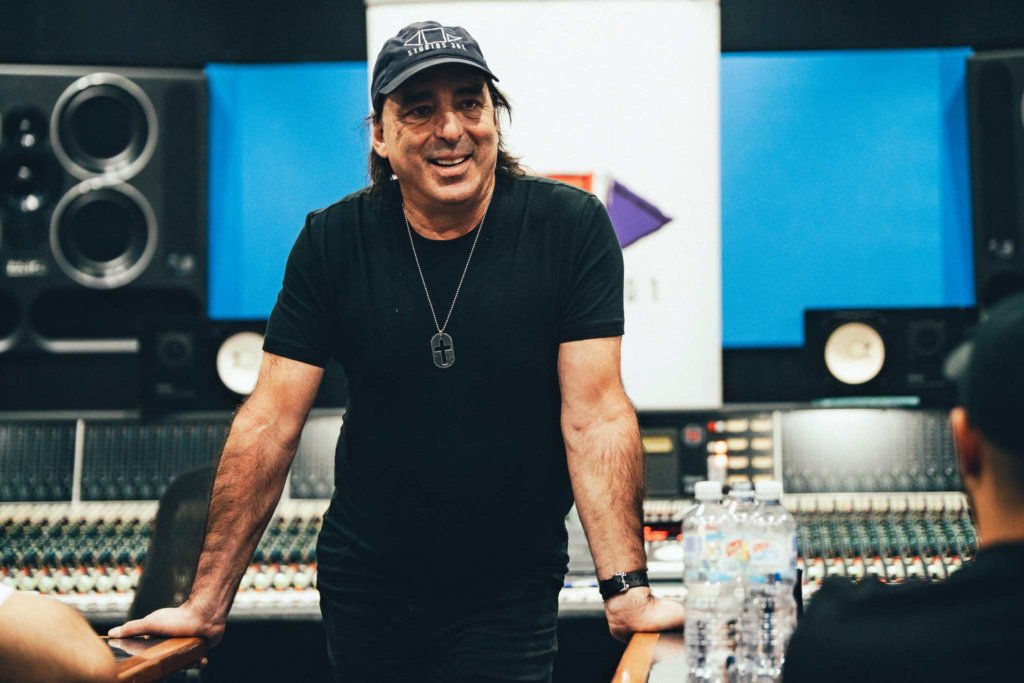
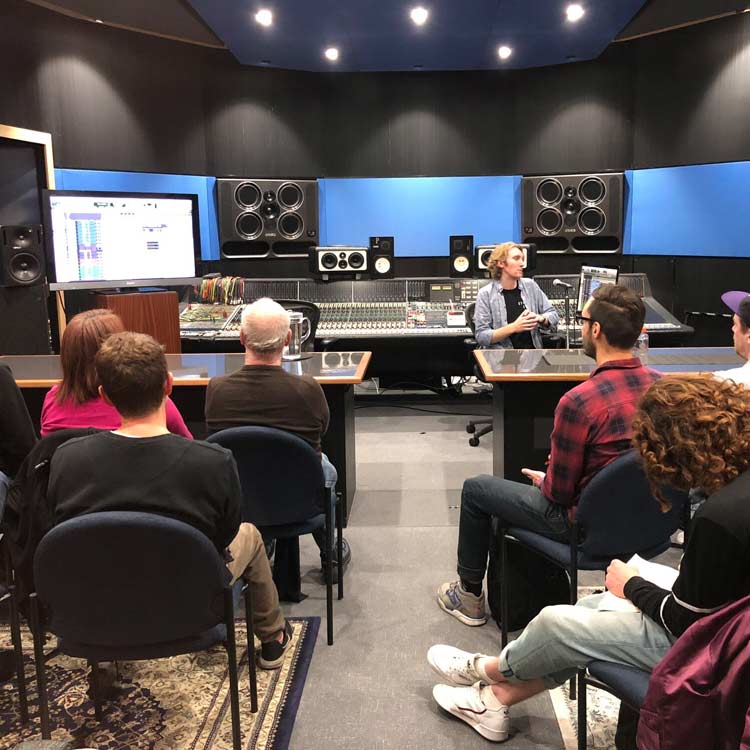
International mixing legend Chris Lord-Alge held a full day Mixing Masterclass from Studio 1 to a sold out audience.
In December, Simon Cohen also held a 3 day Vocal Production and Mixing Masterclass which was a great success.
U2 Conference – Australia Edition 2019 in Studio 1 (Flickr album)
Mastering
Leon Zervos mastered new music for Mongtaine, Billy Porter (USA), Peking Duk, Birds Of Tokyo, Illy,Delta Goodrem, The Jungle Giants,Diana Rouvas, Andy Bull, Essie Holt, Stan Walker (NZ), sleepmakeswaves, Human Nature,Sahara Beck, Dawn Avenue (Mexico), Jordan Astra and Ivey.
Steve Smart mastered releases for Mia Rodriguez, Rob Hirst & Jay O’Shea, God Bess (Indonesia), Deaf Preachers (France), The Bamboos, Approachable Members of Your Local Community, The Buoys, Leanne Tennant, WHARVES, and Radio Molotov (Nigeria).
Ben Feggans has been mastering projects for Nick Cunningham, Green Buzzard, biblemami, Eves Karydas, The Two Romans, Venice Queens, and Johniepee.
Andrew Edgson has mastered tracks for Catcall, Merpire, DJ Koze (Germany), The Lulu Raes and Dom Youdan.
Harvey O’Sullivan has worked on releases for The Tin Knees, RISSA and Norse.
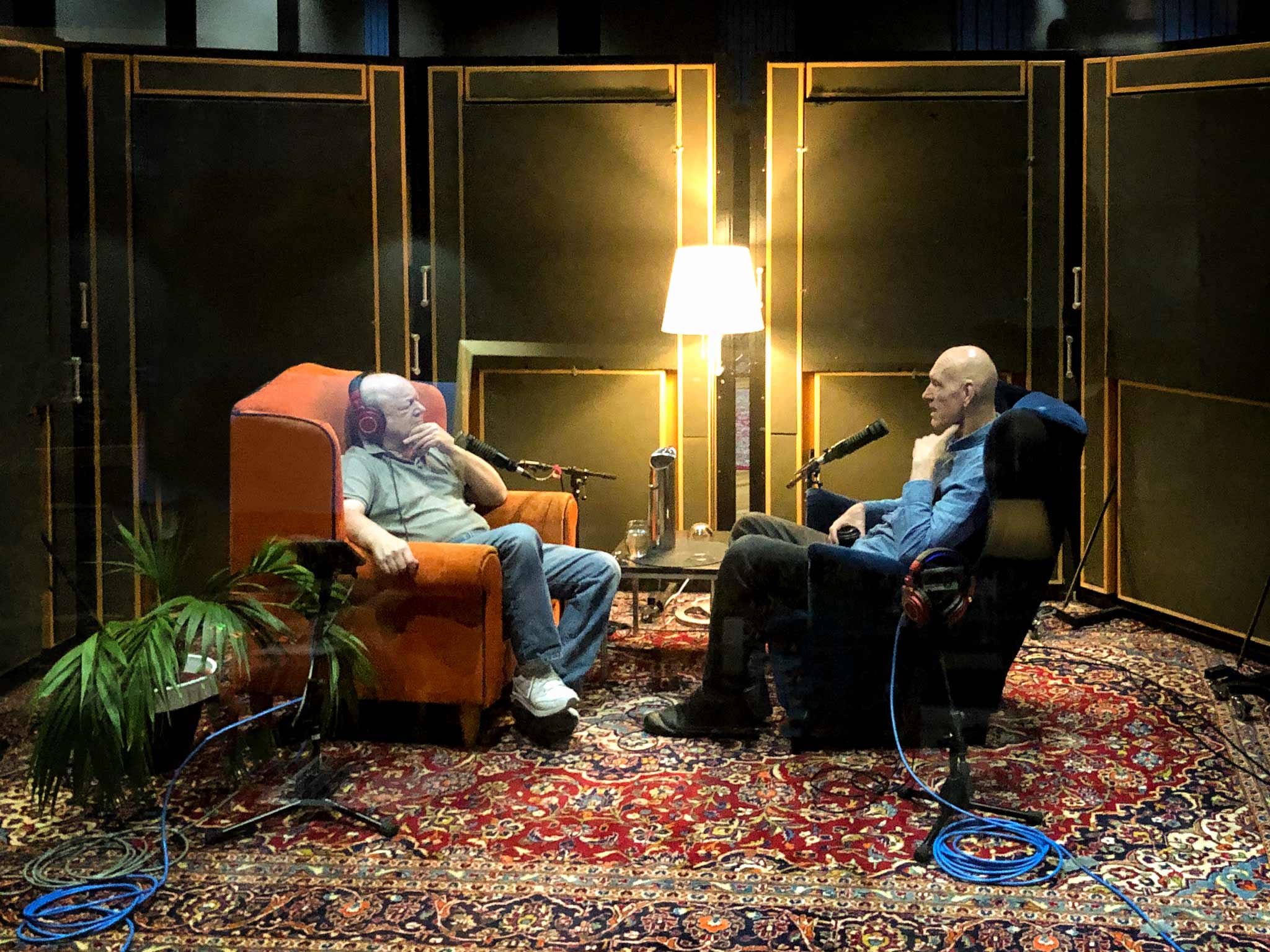
During his recent trip to Australia to be a keynote speaker at the Australian Music Week, renowned US music industry analyst Bob Lefsetz visited the studios and recorded an episode of his podcast for “The Lefsetz Letter” with legendary Aussie rocker Peter Garrett.
It was great to see Bob excited about the Studio 1 space and the entire facility. He has some very kind things to say which he followed up on in his newsletter. Come back anytime!!!
They don’t make studios like this anymore, with multiple rooms, even mastering. I get excited in places like this, this is the epicenter, this is where the music is made.
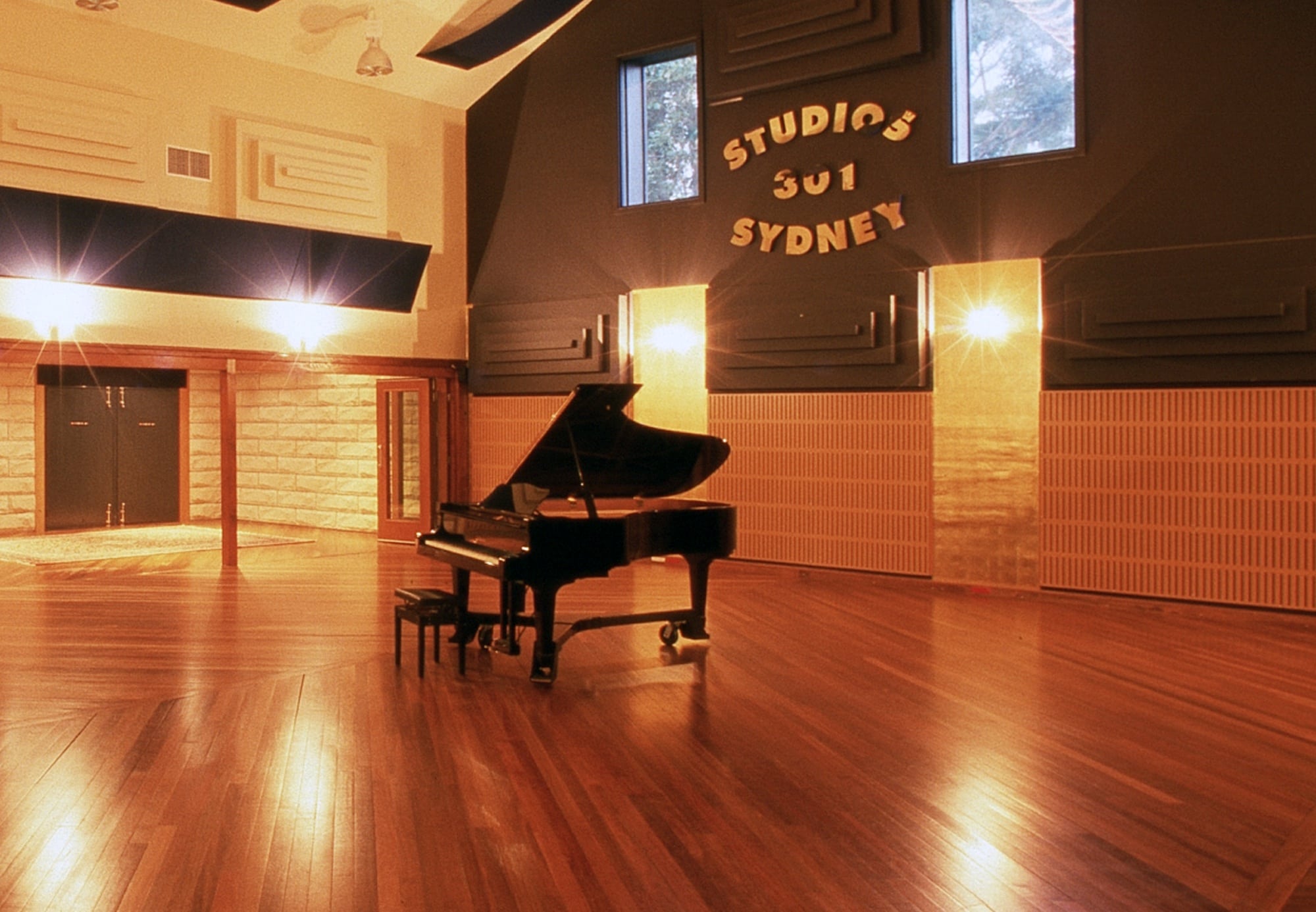
They had a museum of old equipment, an original Mitsubishi digital tape machine, never mind a bunch of Studers. Guitars even. They took me to every room, which I dug. Then we got to the big studio, the one that can fit orchestras, and in the control room, which was larger than most studios themselves, stood Peter Garrett.
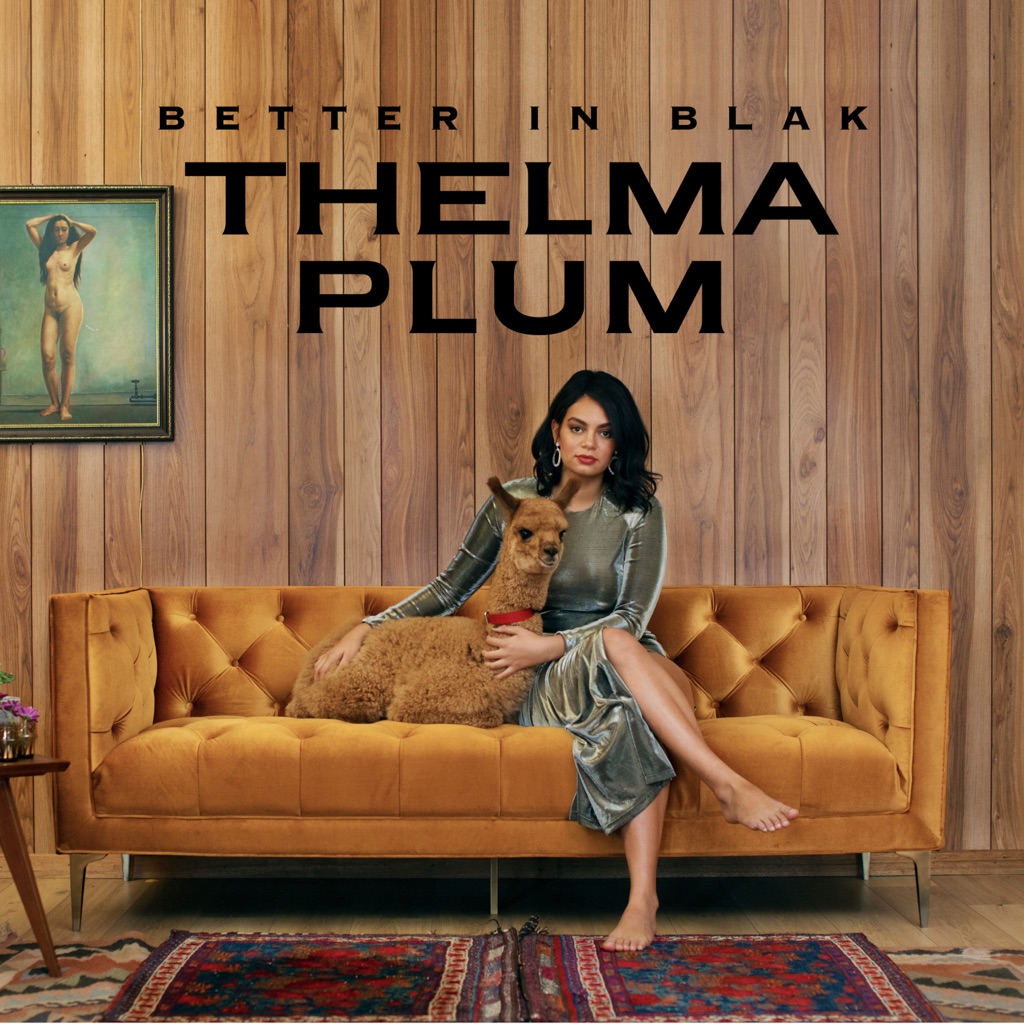
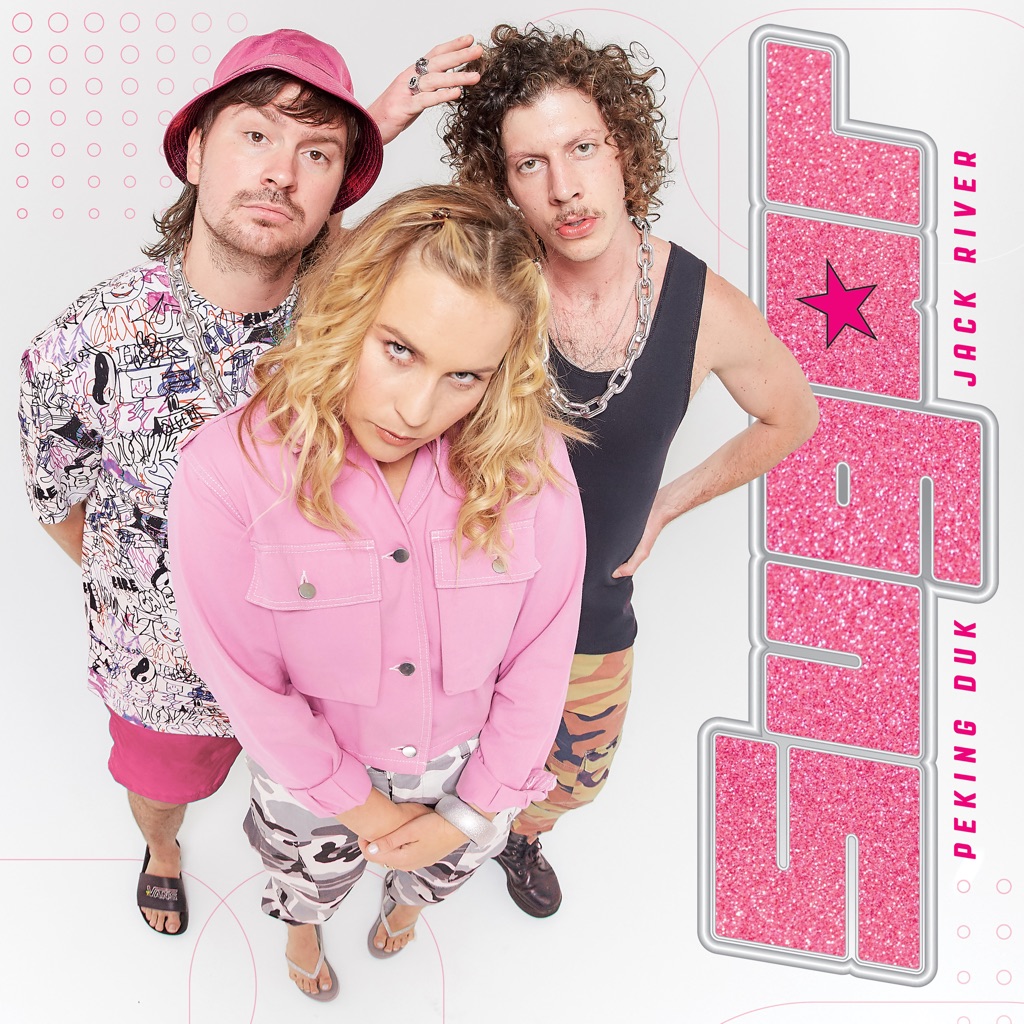
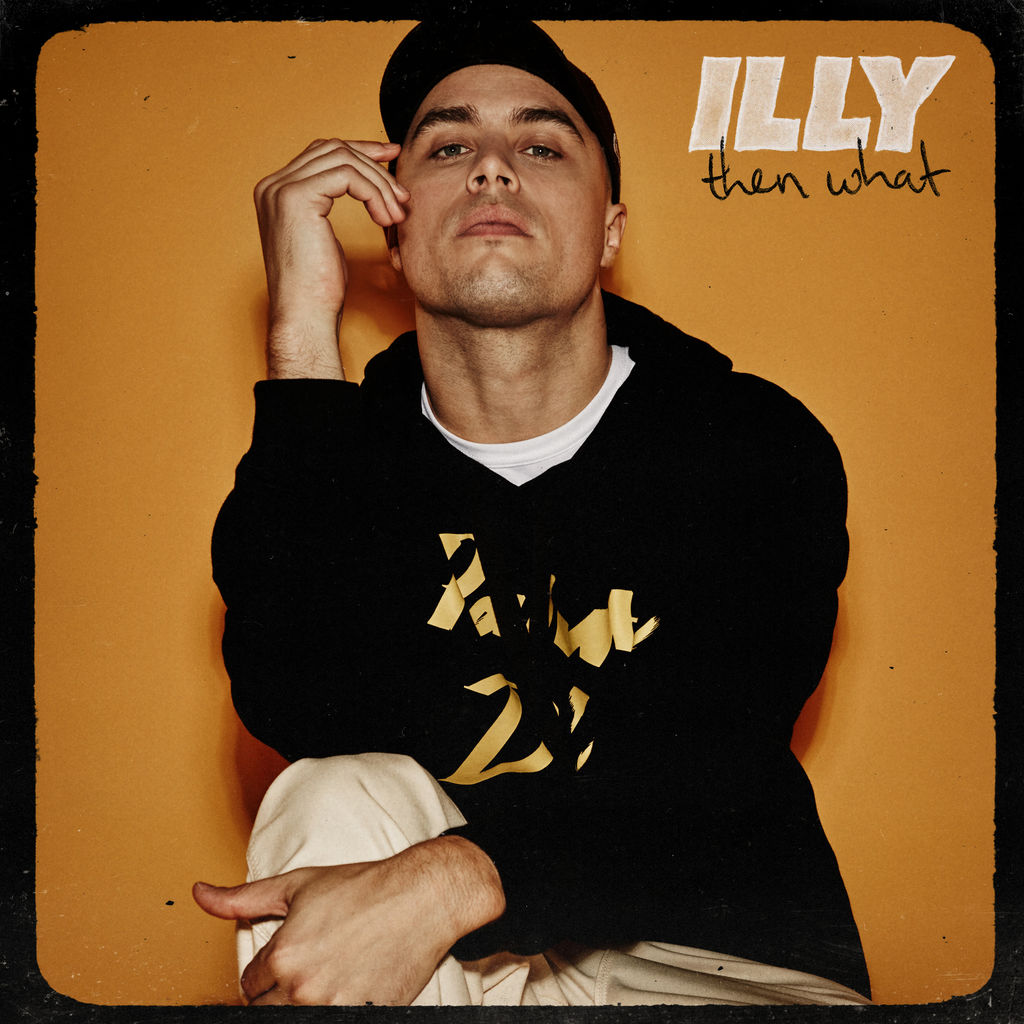
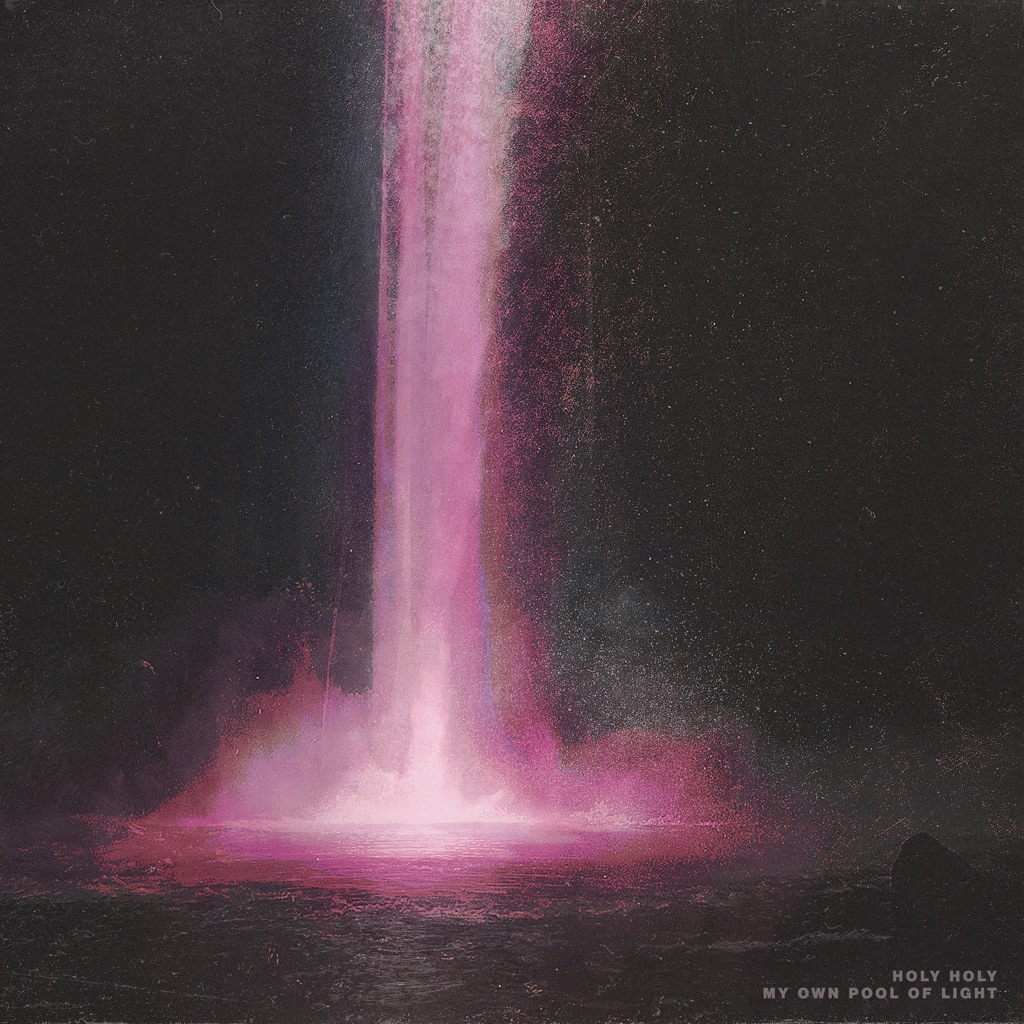
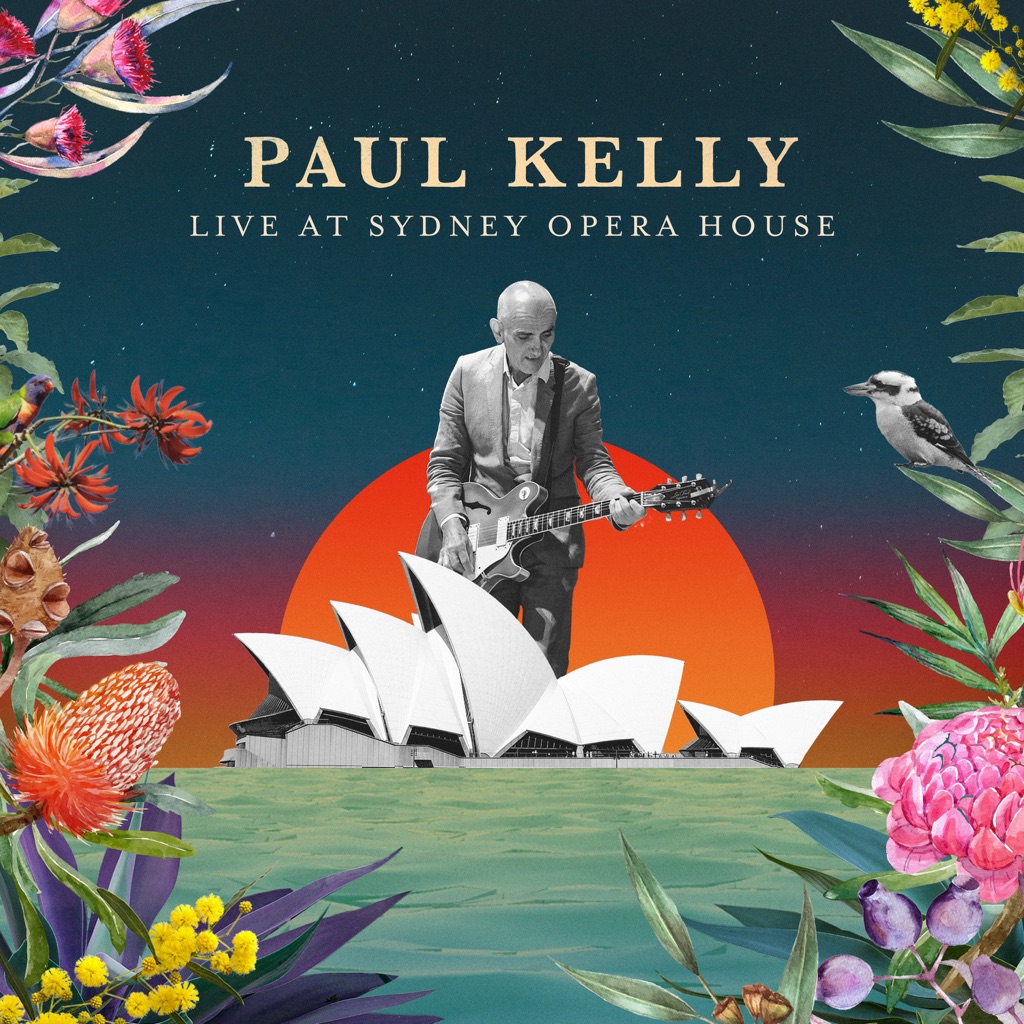
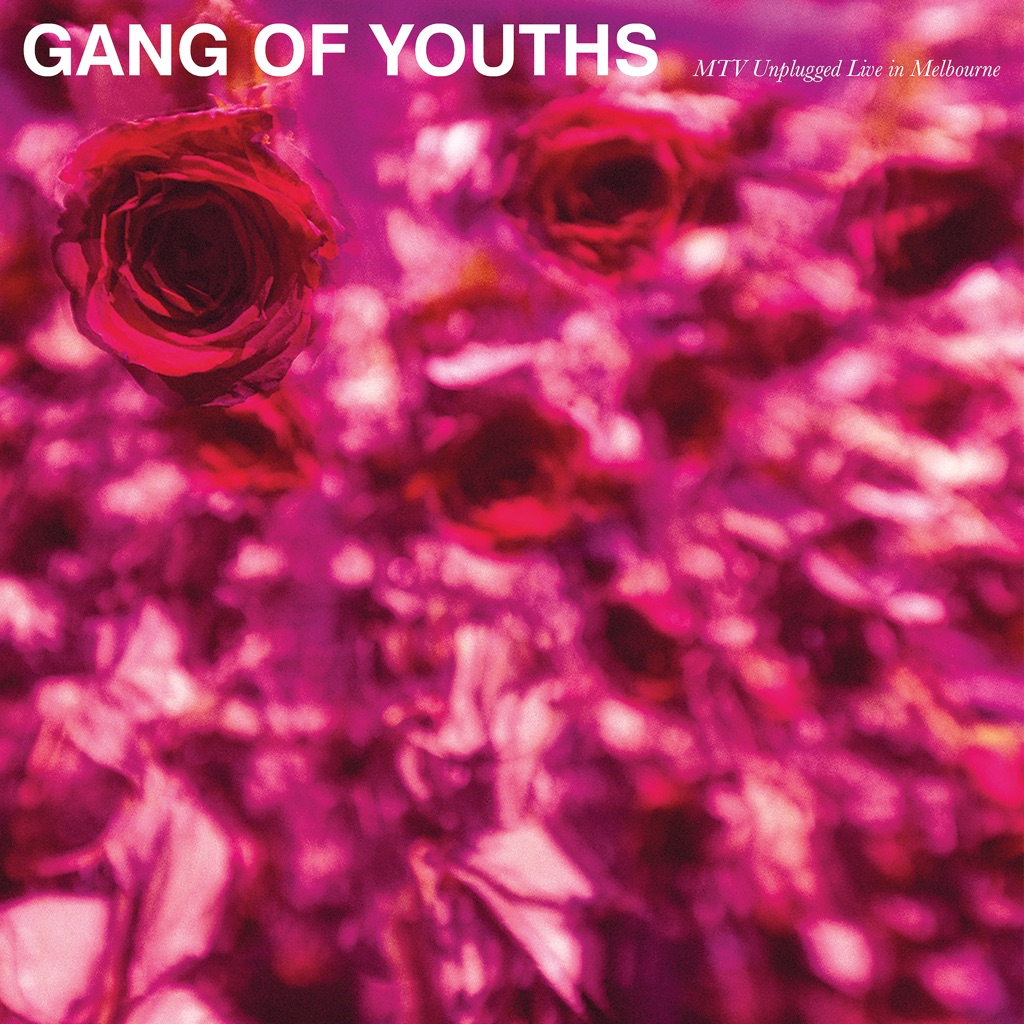
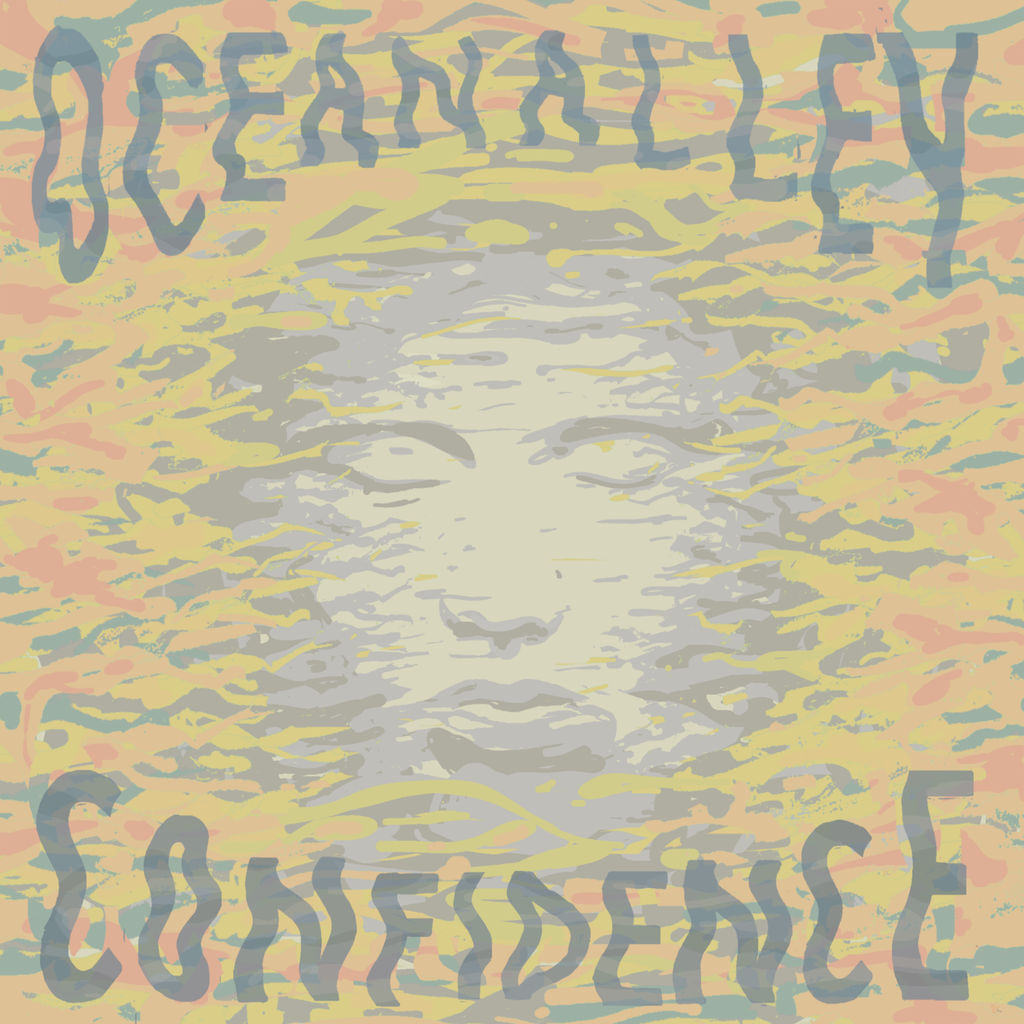
Congrats to all of the amazing artists who are nominated and recognised for their excellence at the ARIA Awards this year including many Studios 301 clients such as Thelma Plum, Guy Sebastian, Amy Shark, Jessica Mauboy, Peking Duk & Jack River, Illy, Holy Holy, Paul Kelly, Ocean Alley, Gang of Youths and Chaika.
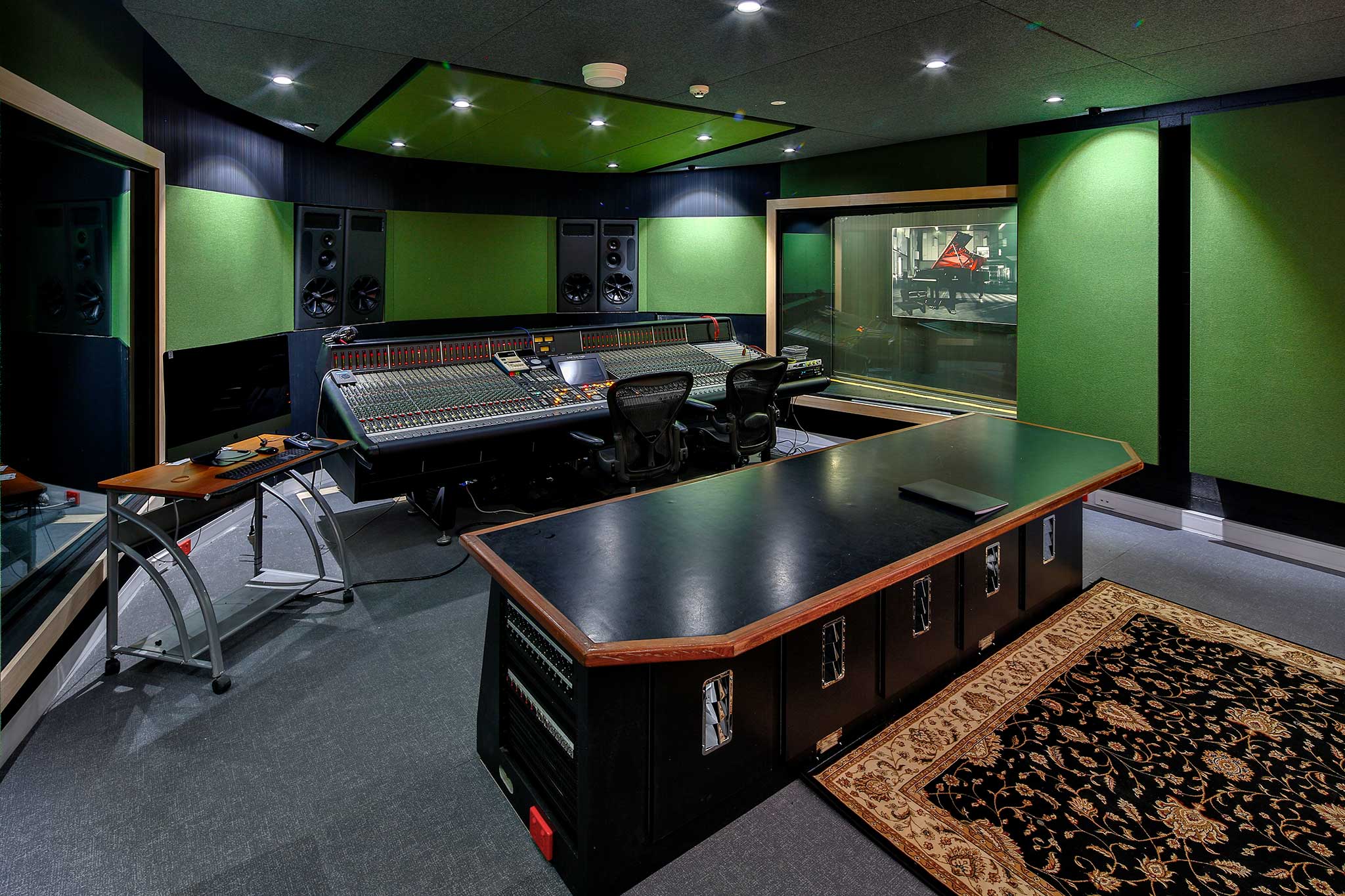
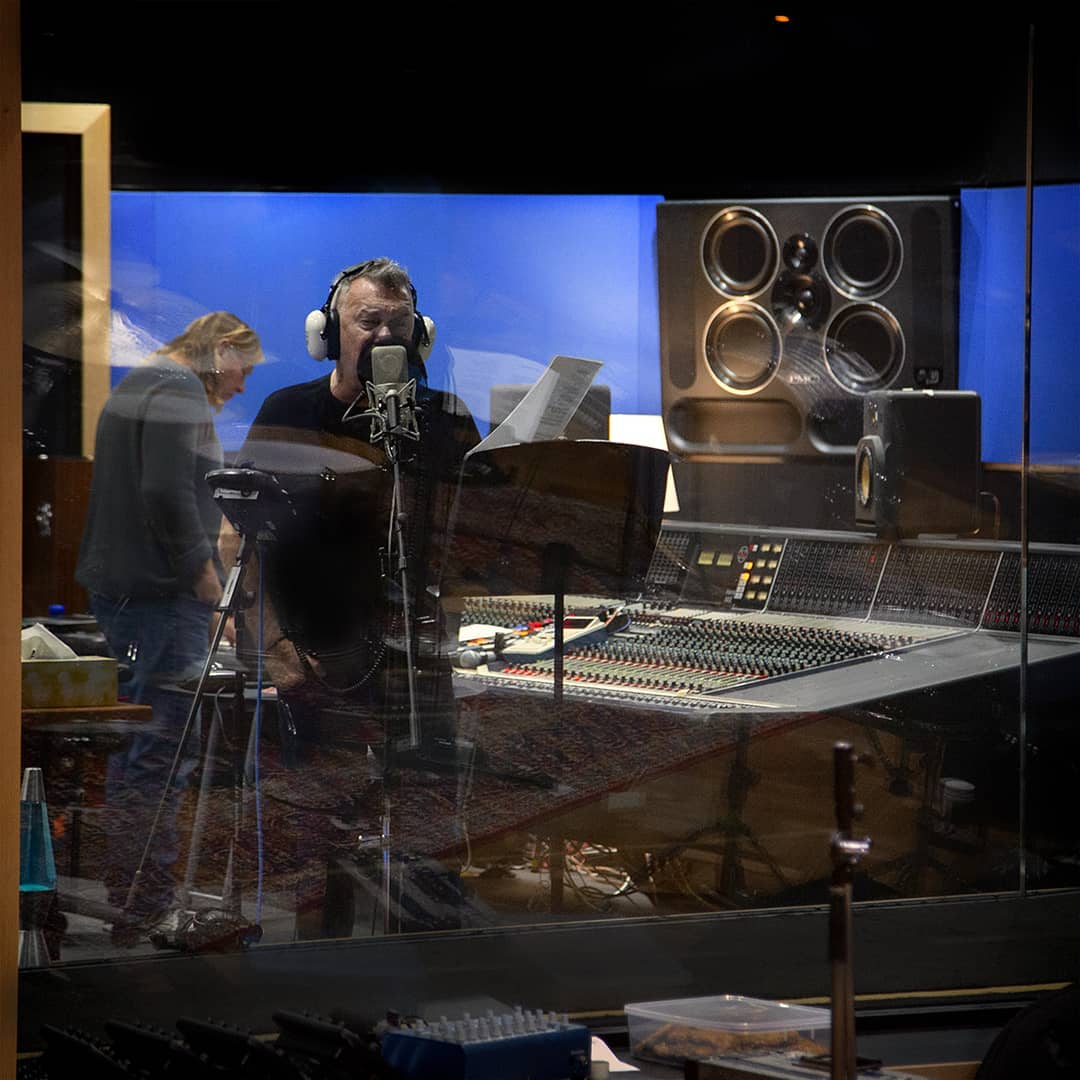
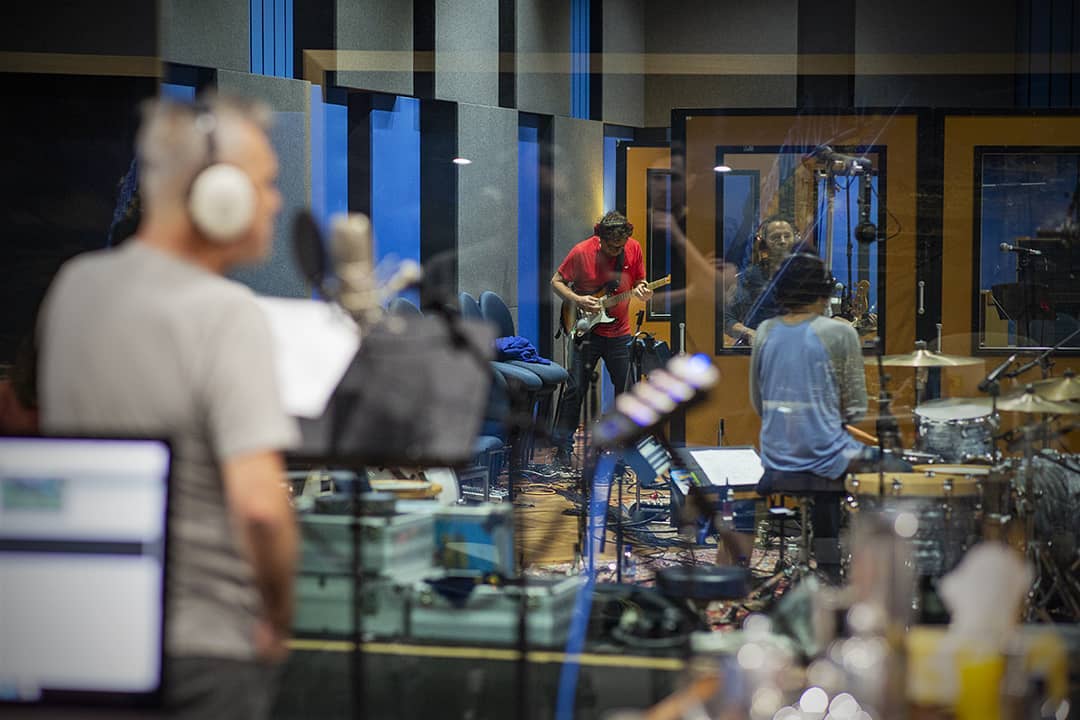
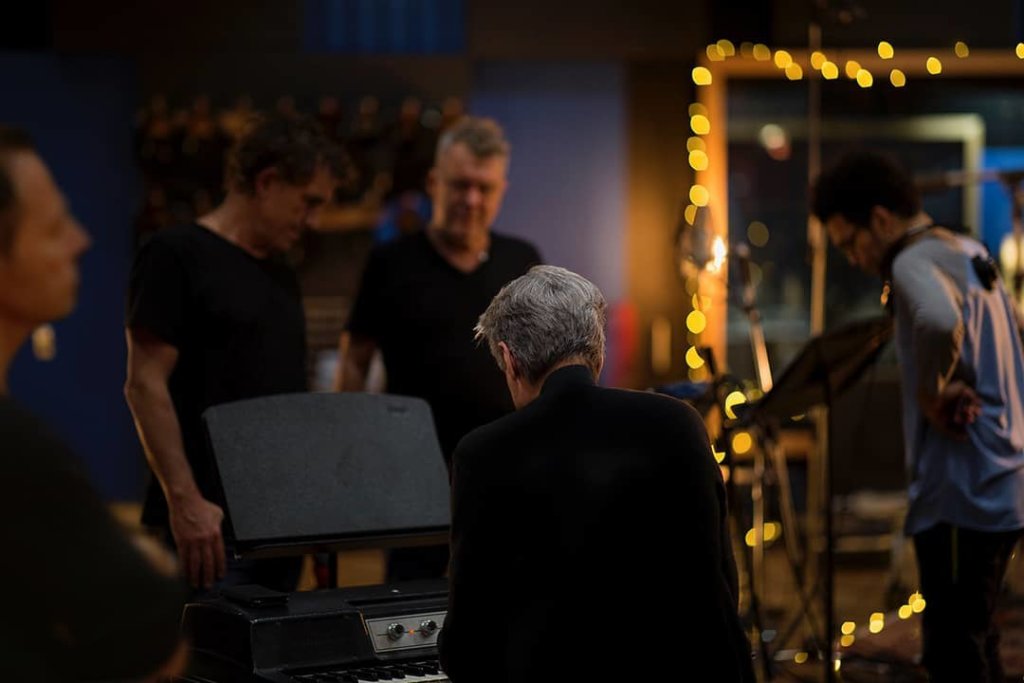
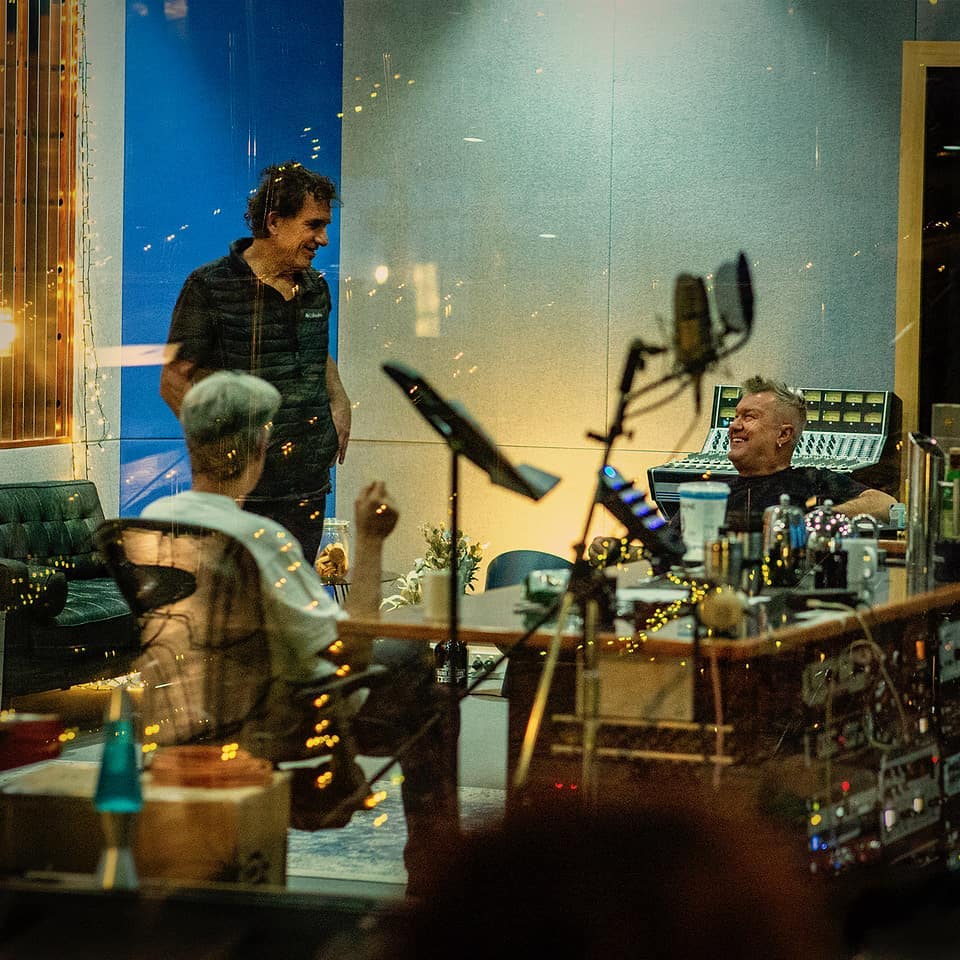
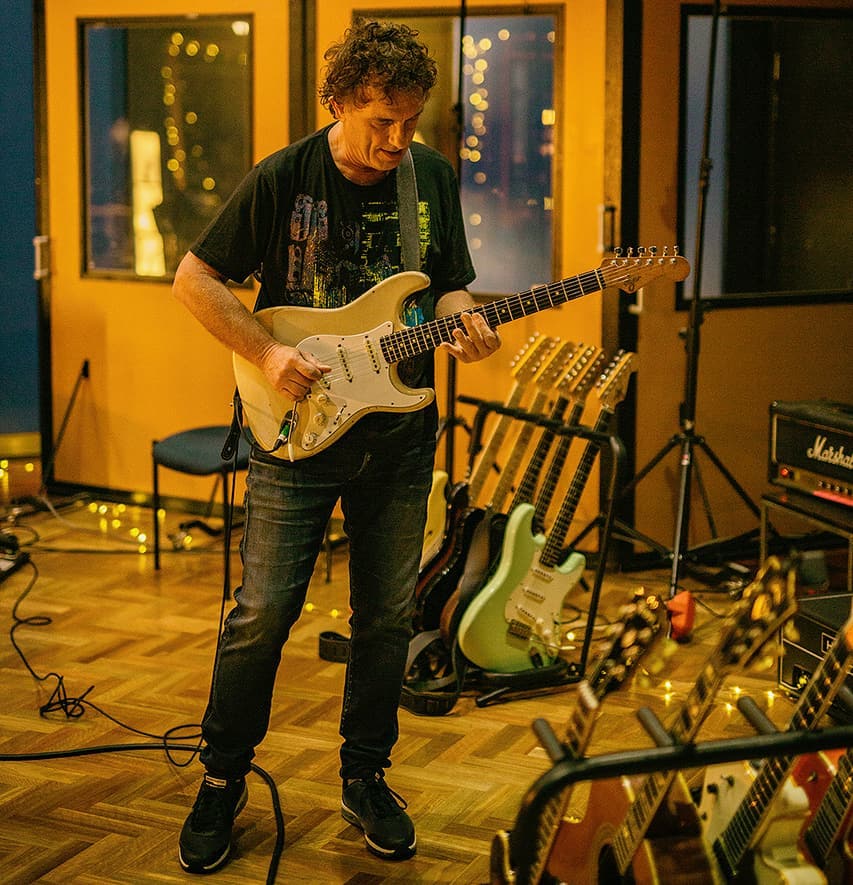
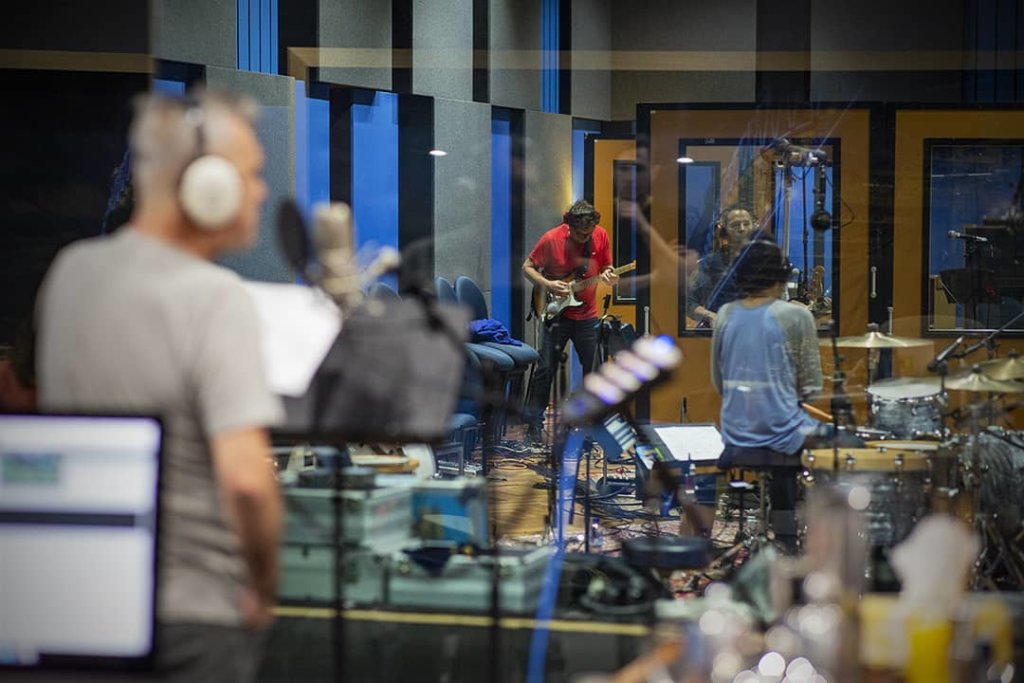
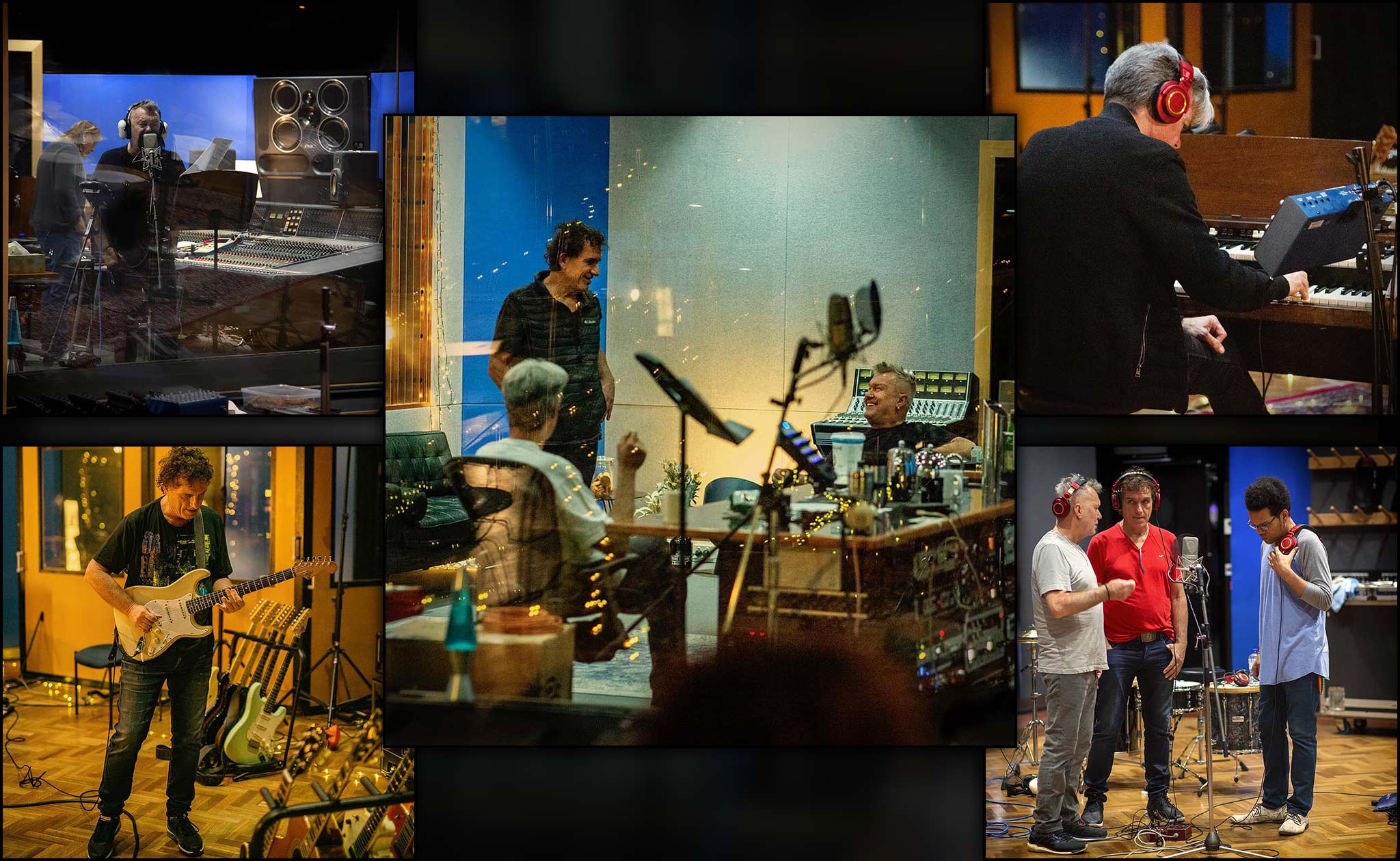
Studios 301 recently hosted the legendary Cold Chisel recording their new album in Studio 1 with producer Kevin Shirley. Our assistant engineer Owen Butcher who was on the sessions gives his recap of the experience and working alongside arguably the biggest act in Australian Rock.
written by Owen Butcher
Despite working at a well known studio it’s not every day you get to work with musicians that qualify for legendary status. You meet a lot of young, exciting and upcoming artists, but bands you grew up listening to on the radio are a different breed. You know all the words and how all the songs go, but as you don’t know them personally you make up your own stories and ideas of how they are as individuals. This can be a bit of a shock when they arrive at the studio as there is usually a certain amount of re-adjustment you need to do. Luckily in the case of Cold Chisel the band members are exactly as you’d imagine. Jimmy is excited and keen to get singing, Ian very thoughtful and considered in what he’s going to play, Don is all about the song and attention to detail, Phil is polite but always up for playing a mean bassline, and Charley is caring and always looking to push the songs to their limits. Kevin Shirley was producer on the record, and he liked to be very hands on with the Pro Tools, the band and the songs.
Fans of the band will be pleased to note that almost everything was tracked live with minimal overdubs. In almost all cases it was everyone in the room playing together. We set them up with Charley out in the large room to give the drums a bit of space, with Phil standing near the drumkit with a baffle in between them. We did this so Phil and Charley could communicate with each other visually through the window in the baffle, but also keep Phil’s headphone mix clear. Ian was also sitting in the same live room with his pedals and amp heads, with the speaker cabinet in a booth. We ended up keeping the booth door open and making what I dubbed a ‘sound corridor’ with baffles and tontine. This isolated the guitar amp enough from the drum mics, but also gave Ian the feedback he needs from the amp on the guitar strings and kept him as close to the drumkit as possible. When playing the upright and grand pianos, Don was in the other booth for isolation purposes. We took the front of the upright piano off to expose all the strings and make the piano less boxy sounding. When we was playing other keyboards he was sitting in the live room with everyone else as we could DI any Wurlitzer and Nord parts. Hammond organ was run through the Lesile cabinet (Don during recording: “You should see what I learned you could do with a Leslie back in the day after carrying it up 4 flights of stairs at the Grafton RSL club!!)”. Jimmy was actually singing in the Control Room. He liked to be near Kevin to discuss ideas, and he sings so loud that the studio monitors don’t cause big enough bleed issues.
Equipment and microphone wise, we used mostly basic microphones for the setup as they’re a straight up rock band (U47 kick drum, 421’s Toms, 57’s on guitars, snare etc), though we did add some Sony High Resolution microphones to the mix as Overheads (Sony C-100) and on the upright piano (Sony ECM-100N) to help give a bit more extended range to the other traditionally less detailed sounding mics. We used a Neumann M149 on vocals because it can take a higher SPL than our other vocal mics. All of these were run through the Neve 88R preamps and EQ, with compression from the 1176 on Vocals, LA2A and Pultec EQP1A on the bass and a touch of Amek 9098 compression on the piano.
After all the main tracking was completed, we finalised the guitar solos for each of the songs with Ian. This was a fun process, where we isolated the amp we were tracking in the booth with the door shut, but split the signal from his amps to another Marshall cabinet which we put near him. Any feedback or FX he could use the Marshall the create them, but they would play out of the amp in the booth. In addition to this, we have Genelec 1031A monitors from Mitchell Rd hung from the ceiling of the line room, so the whole band mix was pumped through that like a PA system as though he was playing at a live concert! This made him at feel more at home during tracking and we all know this produces much better results.
The band were a pleasure to work with. They worked very hard and purposefully throughout, making sure as they went to record what was best for each of the songs to do them justice. I also noted that they can appreciate a nice Whisky or two during any downtime, so they’re always welcome in a studio I’m working in.
August was headlined by legendary Australian rock band Cold Chisel locked out in our flagship space Studio 1 for 18 days to record a full album, produced by Kevin Shirley and assisted by Owen Butcher.
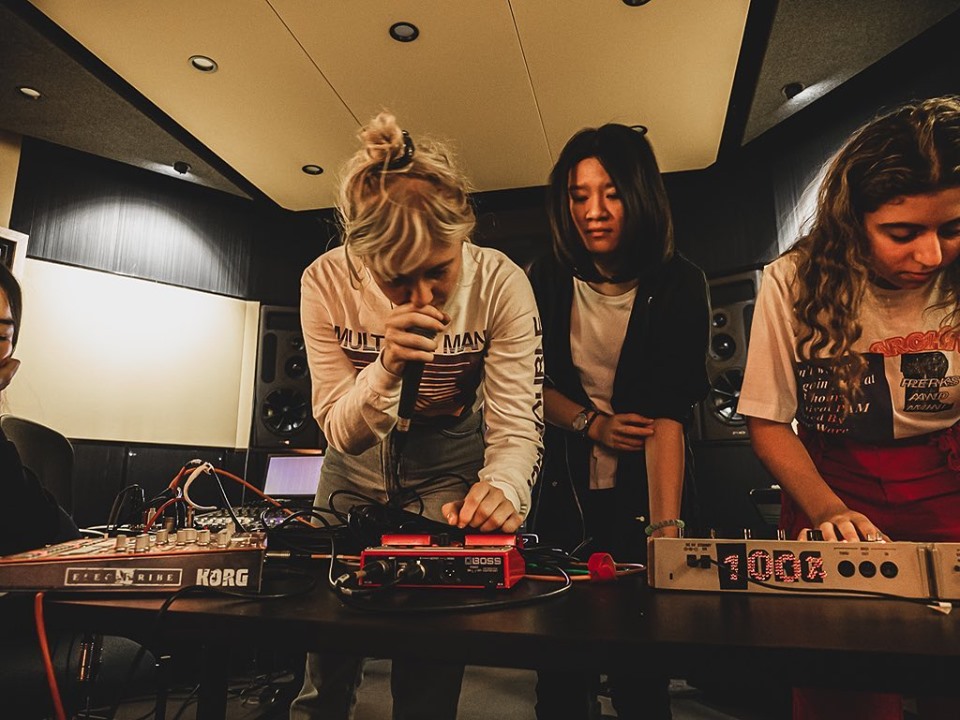
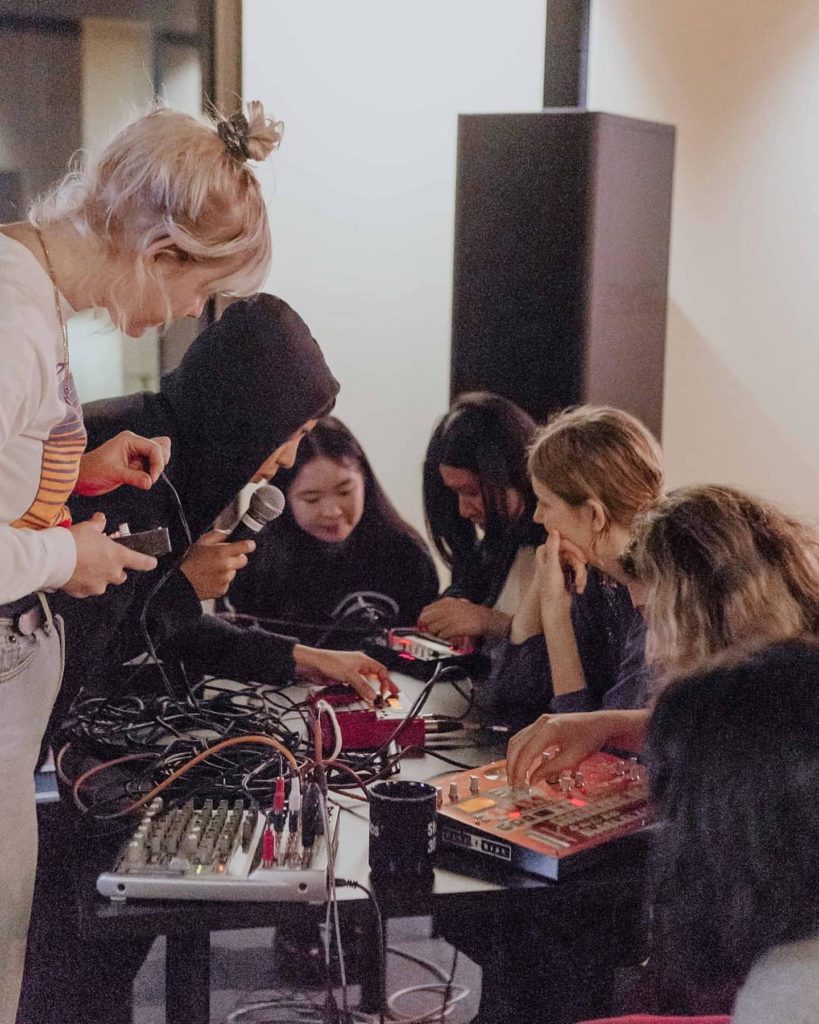
Ricochet Songwriting Camp locked out 3 of our main recording spaces for an all-female/non-binary rap and hip-hop writing camp over the length of a week. The camp featured artists such as Mirrah, KLP, Coda Conduct, Janeva, imbi the girl, Erin Marshall, Zeadala. Other sponsors included Hilltop Hoods, Thundamentals, Urthboy, Hermitude, KLP, Elefant Traks, Dew Process, Native Tongue, Warner Music, Nando’s, Yulli’s Brews, PPCA and Nike. Read more here
EMI were in Studio 2 for 2 days tracking drums with Australian singer-songwriter Odette. The sessions were engineered by six-time Grammy nominated record producer Damian Taylor, and assisted by Jesse Deskovic.
Other sessions included Australian Navy Band, Jess Kent Vocal Recording with Simon Cohen, Redbull 64 Bars recording, AB Original: Briggs and Trials, Jay Tee Hazard, Australian Jazz vocalist Emma Pask, XMPLAlive recording and filming, Safia x Spotify and more.
Leon Zervos mastered new music for Birds of Tokyo, Stan Walker, Samantha Jade, Yorke, Clare Bowditch, Kota Banks, Isaiah, Lila Gold, Tuka, Guy Sebastian, Jack River, Shag Rock, Furnace and the Fundamentals and Jordan Gavet (NZ).
Steve Smart worked on releases for Alex The Astronaut, Washington, Elk Road, Hollow Coves, Cheetah Coats, Jack Gray, NOT A BOYS NAME, Aydan, Wharves, Vast Hill, Dande and The Lion, Casey Barnes, Machine Age, Ivey and a remastering project for Col Nolan.
Andrew Edgson mastered tracks for CLYPSO, Ainsley Farrell, Thomston, darby, Camp 8, SCABZ and Good Lekker.
Ben Fegganshas been mastering music for Mallrat, Keelan Mak, Hype Duo, Nick Cunningham, Diana Rouvas (remixes), Johnny Hunter, micra and Johniepee.
Harvey O’Sullivanworked on releases for The Lazy Eyes, møment and a remix for Billy Davis.
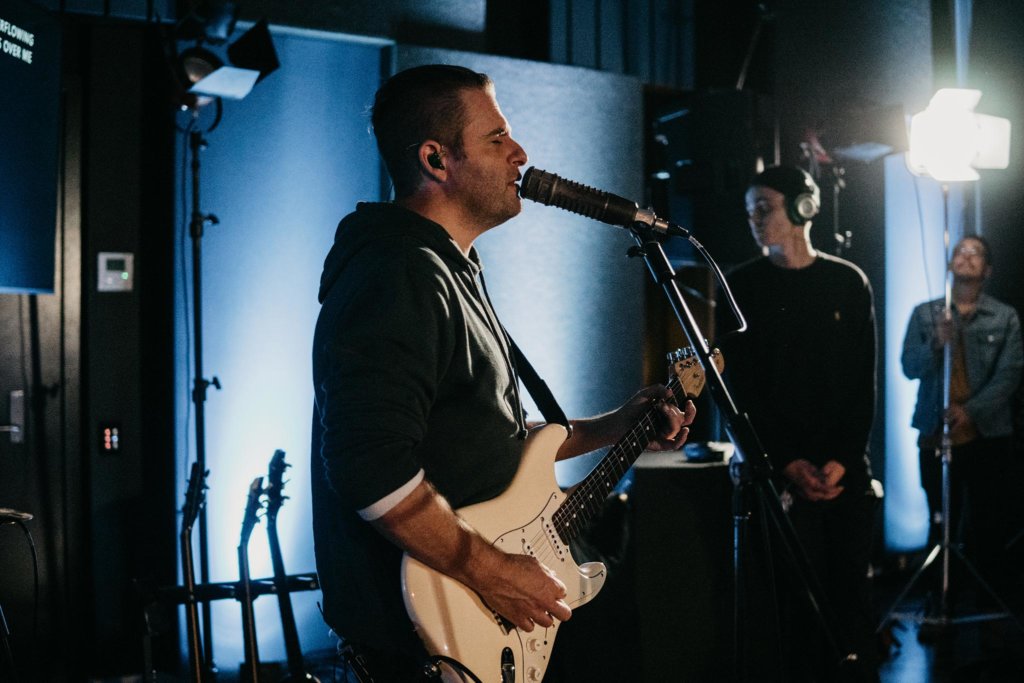
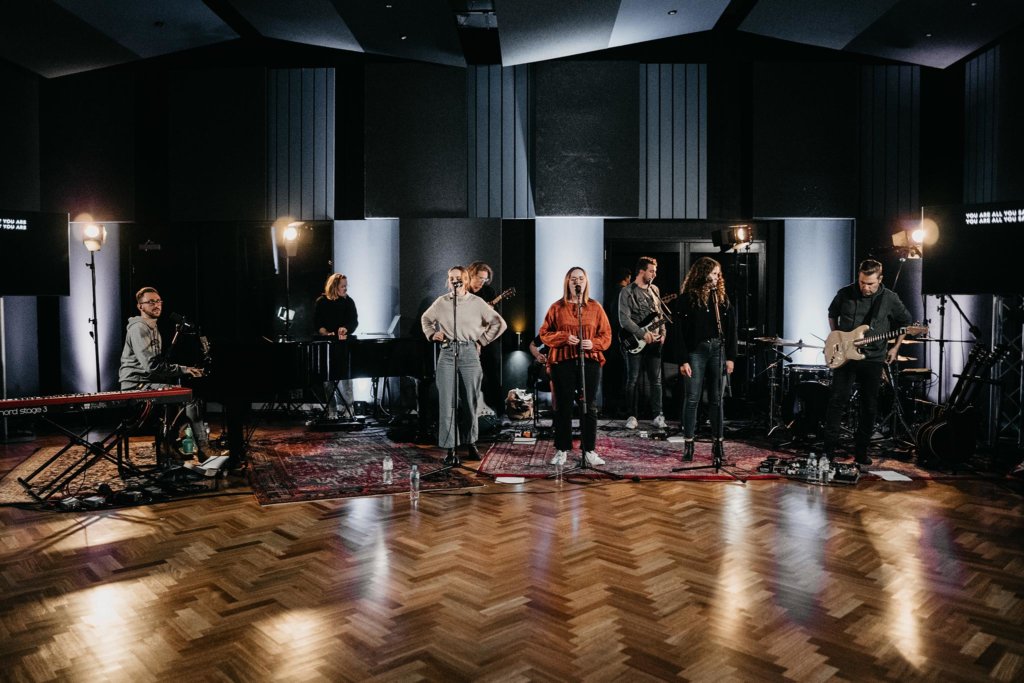
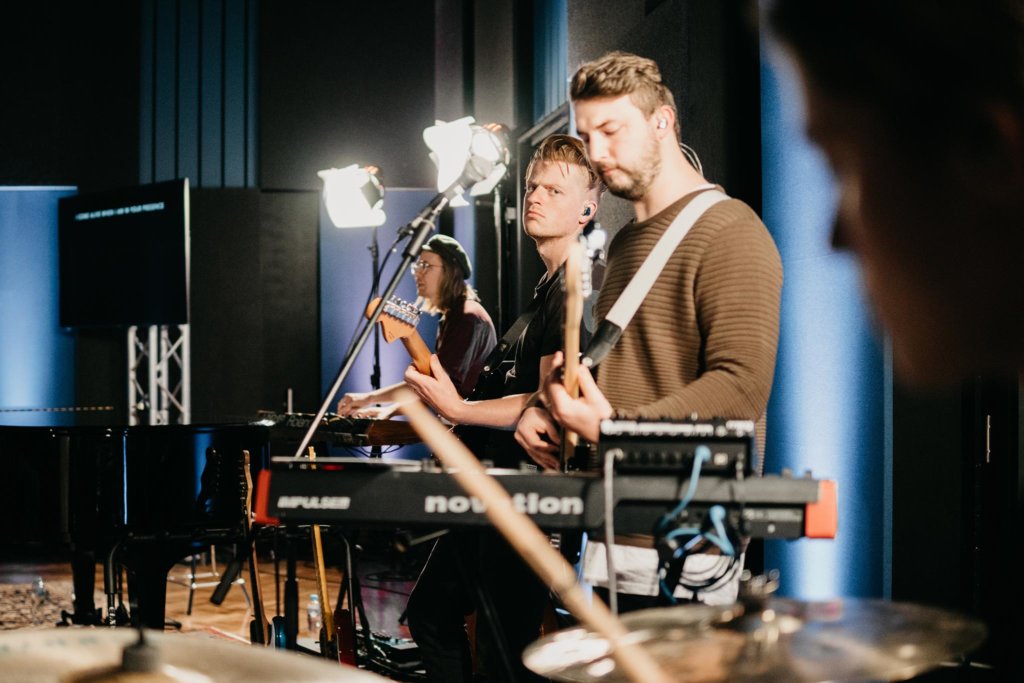
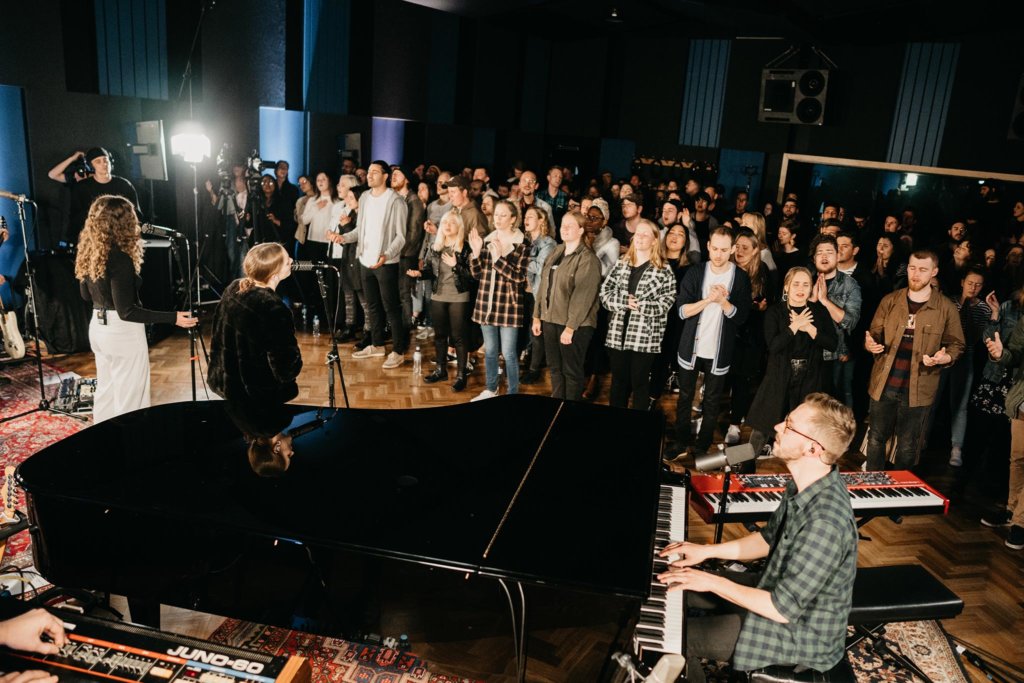
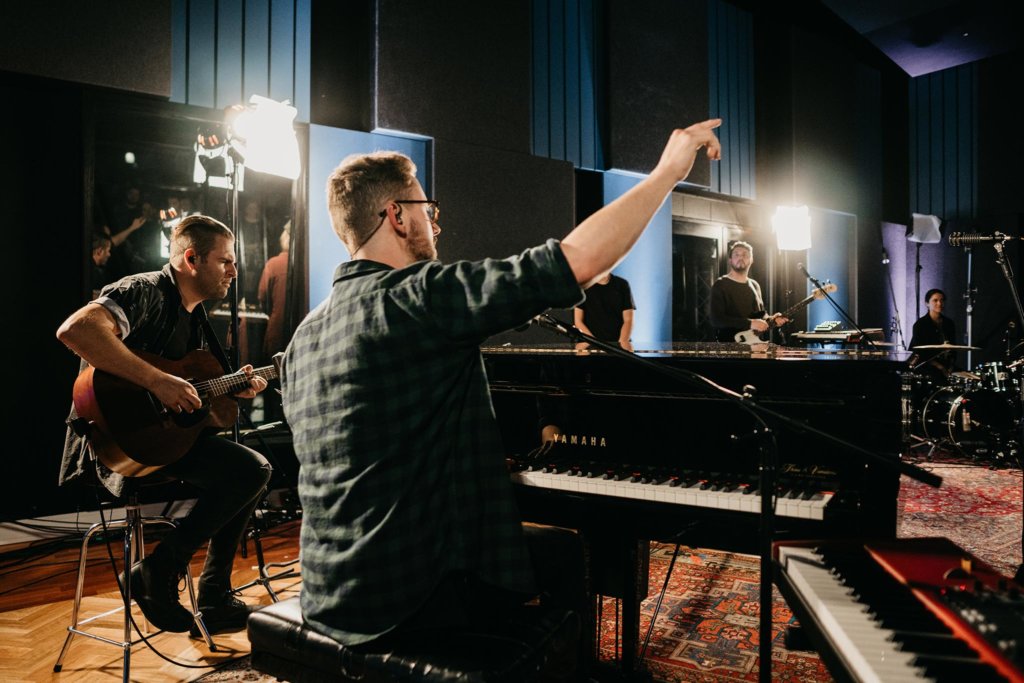
C3 Church hosted a live band recording in Studio 1 for a worship album facilitated by Assistant Creative Minister Ryan Gilpin. The live album recording featured a full band accompanied by an audience of 120 guests and was engineered by Stefan Du Randt and assisted by Jack Garzonio.
RØDE Microphones were in Studio 2 for a product demonstration and shoot out, testing some of their microphones
Warner Music Australia have been utilising Studio 1 for listening party showcase events introducing their newly signed artists
RØDE Microphones ran a session in Studio 1 with Jack Prest for one of their endorsed artists. Jack recorded ‘Battle Ax’ – which is an experimental classical/fusion viola player with the assistance of RØDE microphones and their technicians.
A$AP Twelvyy recorded for 3 days with Tom Garnett from the Warner tenancy room (Studio 8). A$AP was on tour here for a few weeks and brought along Kid Laroi to track vocals on a collaboration.
MusicNSW and 301 hosted the Levels Masterclass series in the studios on the 18th of May. This featured 4 x studios with over 50 students working across songwriting, production and mixing techniques with Milan Ring, Mookhi, Sparrows and Rebel Yell.
SIMA and ABC Classics hosted a live album recording for Julien Wilson‘s jazz quartet in Studio 1. There were over 110+ in attendance, with Owen Butcher facilitating a live record and stream to ABC radio.
“Thank you so much for a seamlessly successful event for our Sydney Symphony Vanguard members program. I was so impressed by your professionalism, friendliness and accommodation of all of our requests. The event was well staffed and the team went out of their way to make us feel at home. […] It was a huge honour to hold an event in such an iconic space and we are so grateful for your hospitality at all stages of event planning.”
Leon Zervos has been working on new releases for The Veronicas, Jess Mauboy, Stan Walker, Jungle Giants, Montaigne, Slum Sociable, Cyrus, Sahara Beck, JEFFE, Fergus James and Dawn Avenue (Mexico).
Steve Smart has mastered music for Dean Lewis, Vance Joy, Spookyland, No Frills Twins, Oh Reach, Lakyn, RedHook, Abi Tucker, Danielle Spencer, Dande and the Lion, PLANET, and Ivey.
Andrew Edgson has worked on tracks for The Lulu Raes, The Laurels, Yeevs, Foreign Architects, Merpire, Black Aces, The Paddy Cakes, Noah Dillon, Jack Botts and Fatin Husna (Malaysia).
Ben Feggans has been mastering for Luboku, Oh My My, Emma Hewitt, Love Deluxe, Nick Cunningham and remixes for Alison Wonderland and Owl Eyes.
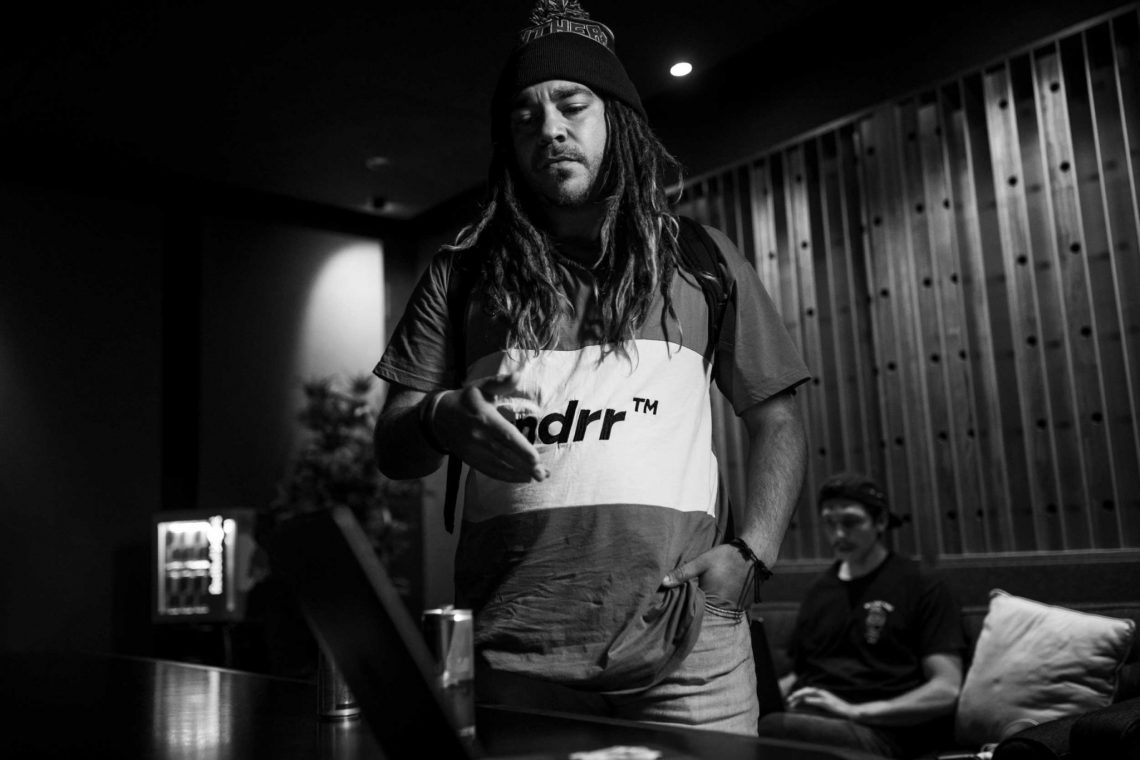
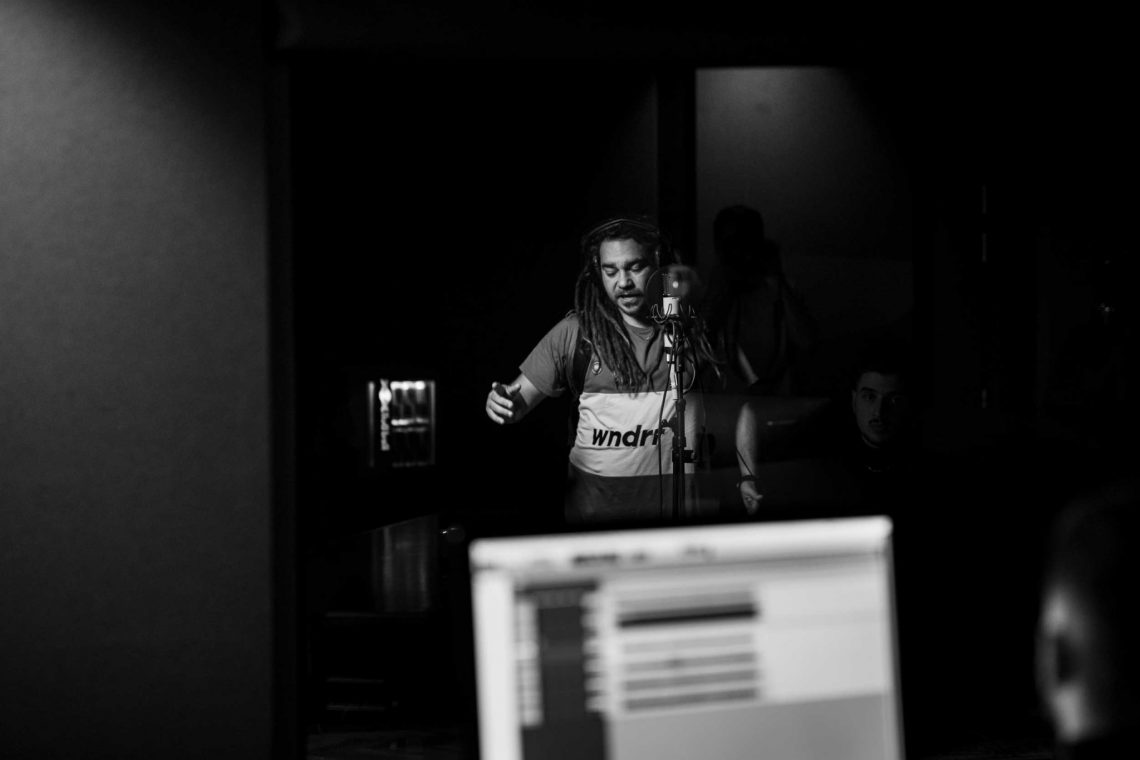
Red Bull Music today shares the third episode of studio rap series ‘64 Bars’, featuring Wyndham-raised rapper and mentor, Dallas Woods. The series showcases 64 bars of astute raps – no bells, no whistles, no hooks from trailblazing artists.
At a young age Dallas Woods developed the uncanny ability to find humour in the most unlikely places. Relentless exposure to some of life’s toughest moments has provided him with the mettle to cut-through society’s demons so he can apply words to his tsunami of feelings and thoughts. Dallas writes with a wealth of humility, knowledge and experience; it’s his coping mechanism.
A Noongar man raised in the E.K. [East Kimberley] Dallas was a quintessential underdog – dropping out of school at age 14 and headed straight for the justice system, to becoming East Kimberley Young Achiever Award at the age of 15.
Dallas Woods says of his ‘64 Bars’:
“I was given the chance to record 64 Bars based on the topic of home, and I really took the time to paint a picture about the lifestyle I was accustomed to as a young indigenous boy growing in two worlds, and how it influenced my music”.
Red Bull Music continues studio rap series ‘64 Bars’, sharing a second Australian episode with South West Sydney rapper, B Wise. The series showcases 64 bars of razor-sharp raps – no bells, no whistles, no hooks from trailblazing artists. First created at Red Bull Studios, Auckland, ‘64 Bars’ recently launched in Australia with an episode from Brisbane independent artist, Jesswar.
Grounded and deep-thinking, B Wise jumps into the ‘64 Bars’ booth to deliver sharp-witted verses with a meaningful message. Following last year’s acclaimed debut album Area Famous, that was recently named FBi SMAC Record of the Year – B Wise has leapt from strength to strength, sitting at the forefront of the Australian hip-hop landscape with hard-earned perspective and experience.
The 64 Bars project was first founded at Red Bull Studios Auckland with David Dallas, as a simple method of having handpicked MCs hit the booth and lay down 64 bars. The series launched to critical acclaim with Brooklyn-based world-renowned rapper Talib Kweli and has since travelled the globe with regular episodes from Japan and now Australia.
Taking rap back to basics, 64 Bars gives audiences the chance to hear their favourite artists flex the skills that launched their careers, and places a firm eye on rap’s upcoming best voices.
While the festive season may be a quiet time for some, December and January were certainly very busy months for the recording department at Studios 301, having hosted an array of international artists, musical theatre casts, Australian recording icons, and local Aussie talent.
Straight off the touring stages of FOMO Festival, international rap duo Rae Sremmurd joined us for 2 days in Studio 1& 2 to write with their team – Swae Lee’s session engineered by Jack Garzonio, Slim Jxmmi’s session engineered by Jack Prest. Renowned pianist, composer, and former touring musician with Mariah Carey’s band, Lionel Cole tracked his full band in Studio 1 engineered by our very own Jack Prest and assisted by Jack Garzonio. International drummer for Lauryn Hill, Kanye West, Lady Gaga, Justin Timberlake, and P Diddy, George “Spanky” McCurdy ran an exclusive and intimate masterclass in our Studio 1 live space.
In addition to hosting some of the industry’s biggest names in music, we were visited by the cast from two of Australia’s elite musical theatre productions.
The cast of Muriel’s Wedding spent a day with our engineer Owen Butcher to record some vocal takes for their upcoming studio release, and the cast from Charlie and The Chocolate Factory spent 2 days with Stefan Du Randt and Jack Garzonio recording vocals in Studio 1.
We even had a visit from the Royal Australian Navy Band, who recorded a 20 piece orchestra and a massive 100 person choir, engineered by Jack Prest and assisted by Owen Butcher.
Other artists recording in the studios during December and January include Nick Littlemore from Empire of the Sun, Alfie Arcuri, B Wise,Dallas Woods, Ojikae, Chong Lim with David Campbell, Chaika engineered by Bob Scott, JXN, Thief, Briggs, Judy Bailey OAM, Sam Sakr, Cxloe, Fergus James, Coda Conduct, NYXEN and Crooked Colours.
Mastering Highlights
Leon Zervos has been busy mastering new music from Eurovision contenders Kate Miller-Heidke and Mark Vincent, and projects for The Veronicas, Sahara Beck, Amy Shark, Russell Morris, WAAX and many more!
Congrats toSteve Smartwho mastered triple j’s hottest 100 #1 “Confidence” by Ocean Alley.Other highlights by Steve include albums for Mick Hart, an EP for Stapylton Street, as well as new releases for Germein, VACATIONS, Leanne Tennant, Sushin Shyam (India), HEIDI (Indonesia), Not A Boys Name and Hatakaze to name a few.
Ben Feggans has worked on new releases from 2018 JJJ Unearthed Bigsound winners Austen and Keelan Mak, Sinclaire, Odette, Luboku and a tasty new EP by Coda Conduct.
Andrew Edgsonhas mastered an album for Georgia Mulligan, an EP for Riley Pierce, and singles for The Laurels, Gooch Palms, Merpire, Aquila Young, and Oh Reach.
Harvey O’Sullivan worked on a vinyl release for The Living End, and new releases for Miserist, The Widest Ocean, One30, Gavrani, and Belle Kerr.
Introducing: New EP/Album Pricing
Steve Smart masters Triple J Hottest 100 #1
Masterclass
SIMON COHEN
Vocal Recording & Production Masterclass
LAST TICKETS AVAILABLE
In this almost sold out two-part masterclass series, Simon will guide you on an in-depth illustrative look at his vocal process and share some of his secret techniques from recording to producing and mixing pop vocals.
August was our biggest month this year in the studios!
Katy Perry at Studios 301 Sydney
Zedd at Studios 301 Sydney
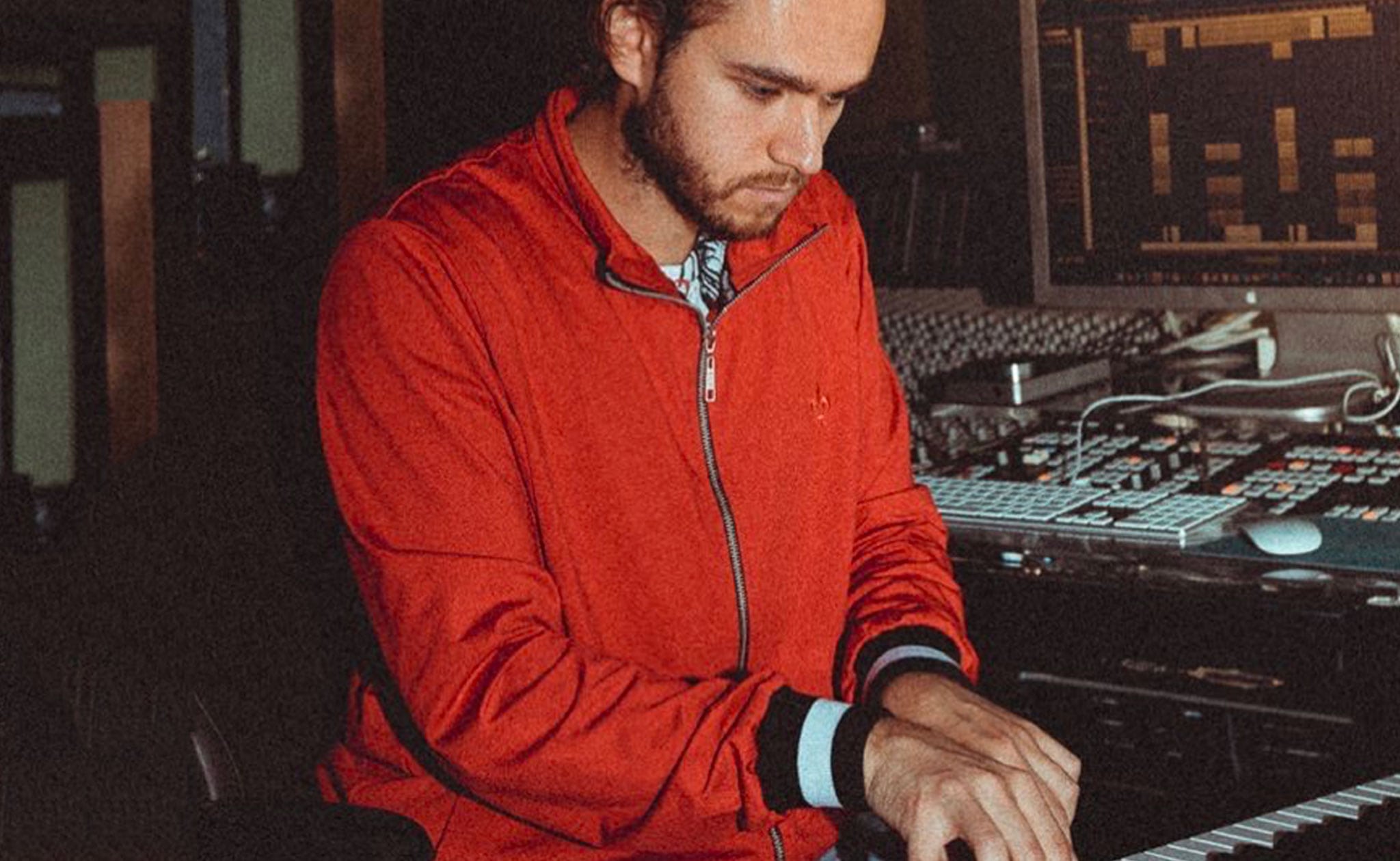
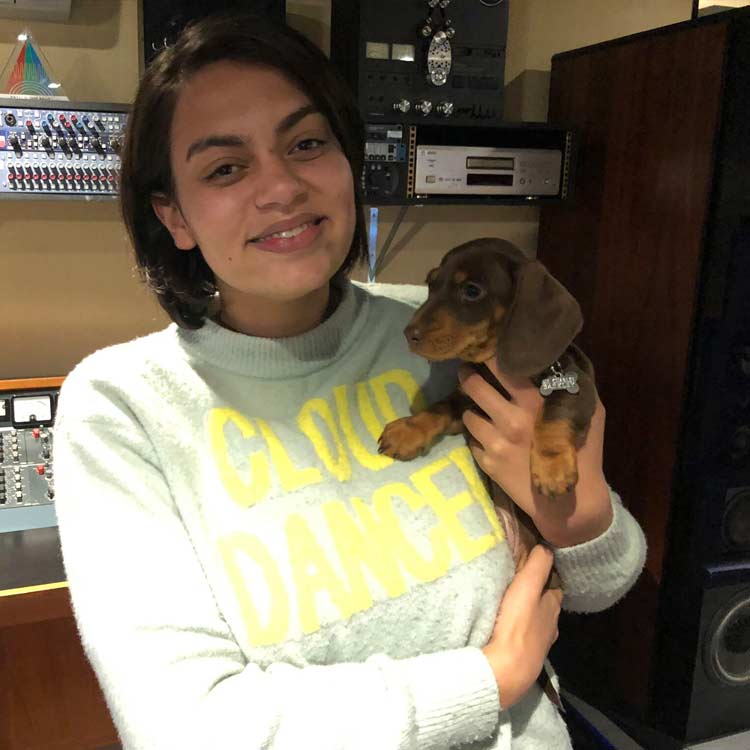
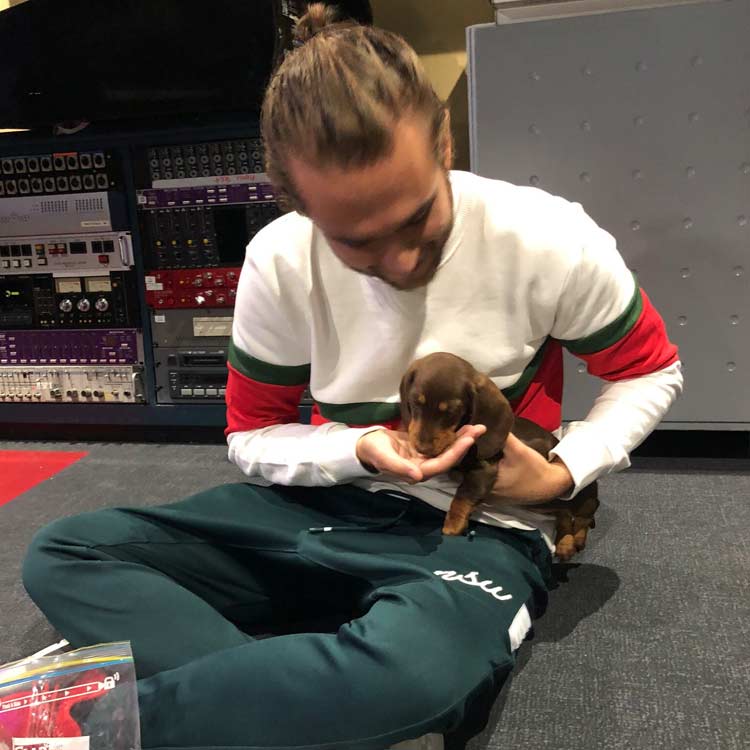
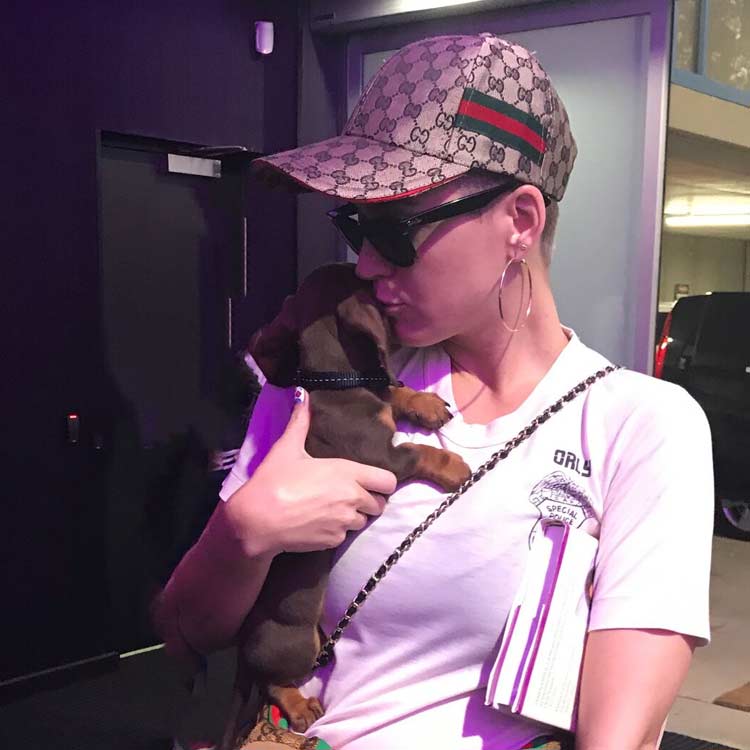
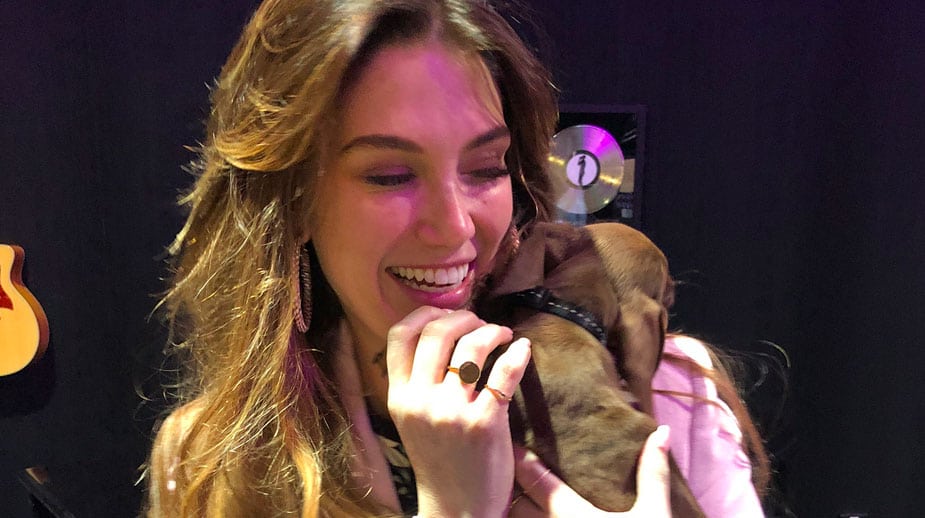
We were visited by global pop sensation Katy Perry and renowned DJ/Producer Zedd on the Australian leg of Katy’s ‘Witness World Tour.’ Katyand Zedd locked out Studios 1 and 2 for 10 days, recording some new material and working with our senior engineer, Simon Cohen and assistant team. Both artists got to hang out with our new studio puppy, what a treat!
While on tour, Katy Perry’s band members Tony Royster Jr & Chris Paytonhit a midnight session with MXXWLL and Deutsch Duke. Our engineers Stefan Du Randt and Jack Garzonio say it’s one of the best sessions they’ve ever been a part of.
US R&B artist Pleasure P (Pretty Ricky) hit the studio with producer Willstah to work on music for the upcoming season of VH1 TV series Love & Hip Hop.
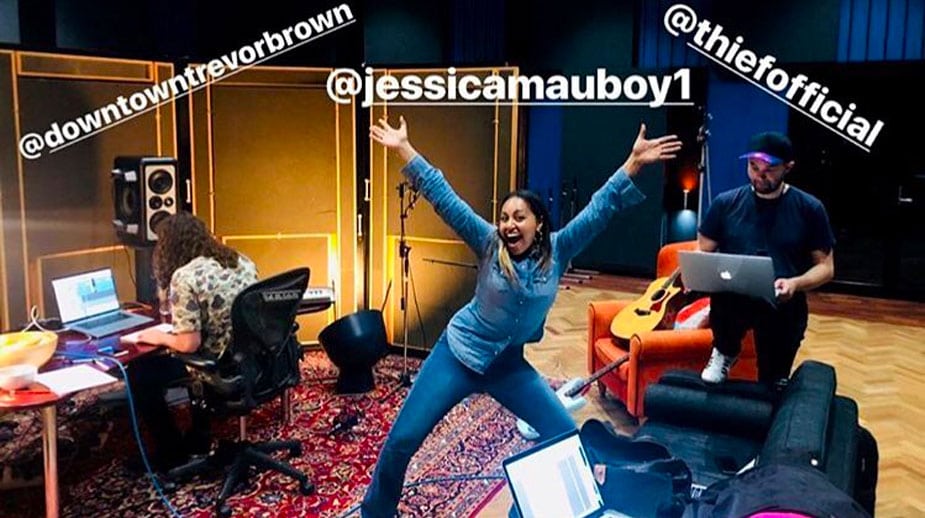
Guy Sebastian and Jess Mauboy hung out in the studio with over 10 local and international songwriters and producers for a 4 day writing camp. Other writers and artists included Graace, The Orphanage, Thief, Tushar and JOY.
Jess Mauboy
Delta Goodrem with studio puppy @sircharlesbarkley_
Australian songstress Delta Goodrem locked out our flagship room studio 1 for 3 days, bringing her whole band for a jam session! Delta invited some lucky fans to come and watch her rehearse in the studio, and laid down some tracks for a new release with our engineer Stefan Du Randt.
David Campbell and Chong Lim have been busy recording a project with our very own engineer, Jack Prest. Stay tuned for more updates on this new project.
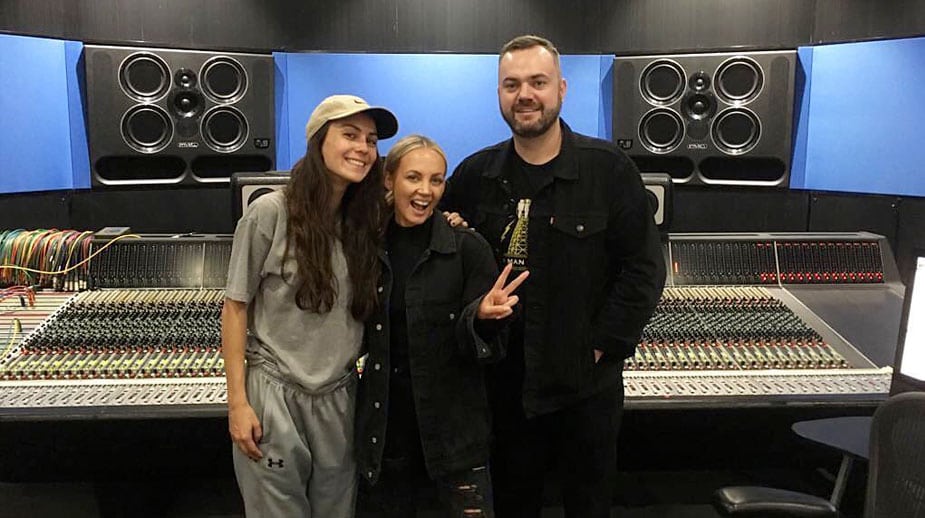
ARIA Award Winning singer-songwriters Amy Shark and Samantha Jade spent the day writing and collaborating in Studio 1, with the help of our engineer Jack Garzonio.
Leon Zervos mastered Amy’s most recent album ‘Love Monster’ which debuted at #1 on the ARIA charts.
Amy Shark and Samantha Jade
Masterclasses
Anna Laverty Masterclass
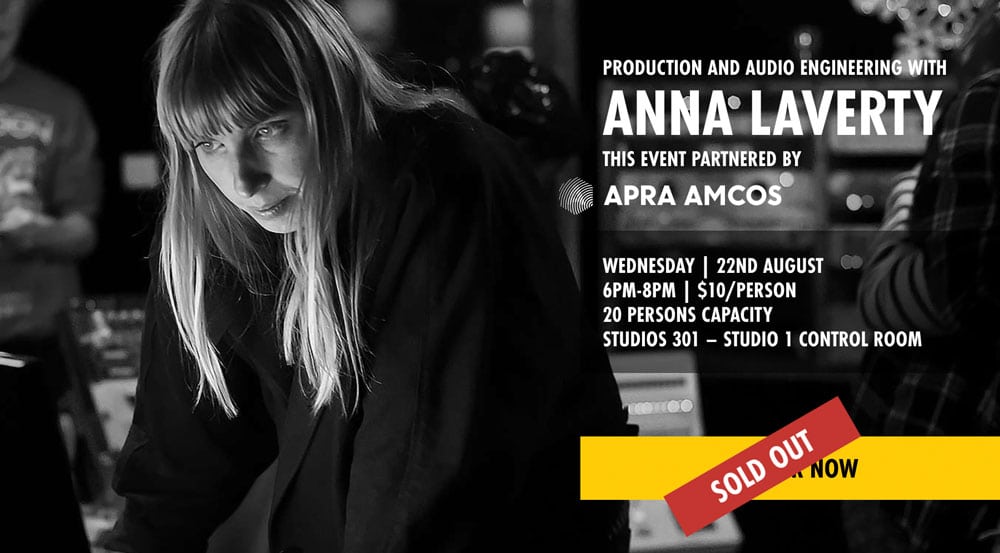
August saw the launch of our masterclass brand with two great sessions. Anna Laverty and Simon Cohen ran masterclasses on production and mixing, both of which sold out within days. We had a huge waiting list of applicants eager to attend, so due to popular demand we will be running a series of future masterclasses.
Steve Smart mastered soundtracks for the original animated Netflix series Beat Bugs 2 and Motown Magic, featuring music from The Beatles & Motown catalogue. He also mastered live albums for Gang of Youths MTV Unplugged, and Paul Kelly Live at the Opera House.
Leon Zervos has been working on releases for Starley (Central Station Records), GLADES (Warner), Owl Eyes (Liberation), ALTA (Soothsayer), Harper Finn (NZ) and Cyrus (Sony).
Andrew Edgson mastered music for The Kite String Tangle (Warner) and Thelma Plum (Warner)
Ben Feggans worked on tracks for SAATSUMA (Grenadilla Sounds) and Jordi Ireland (Casablanca Records).
At Studios 301 we’re no stranger to having our production suites occupied by some of Australia’s best artists, producers and songwriters. One of our most recent tenants were the incredibly talented guys from Mansionair. Forming in January 2014, the band have gained quite a following in a short time. Their first single, ‘Hold Me Down’ has amassed a phenomenal 10 million+ views on YouTube, 2 million+ plays on Soundcloud, and peaked at #1 on Hype Machine upon release. After playing shows around the globe, headlining festivals, and selling out their own multi-date tour, the boys are back in the studio working on their debut album. We had a chat and laughs over some beers, and have put together for you the highlights in PG form.
You guys have a history with recording at Studios 301, can you tell us a bit about it?
We’ve been in and out of 301 since the start of our band. At the beginning of 2014 we moved into one of the production rooms (Studio 7) and began working together for the first time since we wrote ‘Hold Me Down’. We spent most days harvesting sounds we liked and developing who we wanted to be as a band. In there we wrote and mixed ‘Second Night’ and built our live show from the ground up which we debuted at Bigsound 2014. Following that we went in to Studio 5 and worked on a bunch of new live songs for some NYE festivals and also our first headline show. Over summer of 2015 we took some time off and jumped into Studio 8 for two weeks to touch up some songs for SXSW. Following this we returned to track our last two singles with Tony Buchan (‘Pick Me Up’ & ‘Speak Easy’), and finally earlier this year, we moved into studio 11.
What have you been working on this time around?
This time round we spent two months working on a bunch of new songs for our debut record and also touching up our live show.
How is the general vibe and experience working out of Studios 301?
301 is not like anywhere else we’ve worked. One thing we’ve always loved is the community. Everyone in the studio is such great company and everyone’s working on something different so it’s always refreshing to be around. We’ve made so many great friends with both other musicians and the 301 staff. Alex and Lach have become semi-professional ping pong players and Jack’s spent many sunny afternoons workshopping lyrics in the courtyard.
Finally, what’s on the horizon for you guys?
Over the next month we will have finished writing our album. We’re in the middle of deciding what tracks we want to include and also what tracks we feel are missing. We’ve got this massive bank of songs that we’re sifting through, 90% of them were written at 301. We’re looking forward to going on the road with The Rubens in June and then following that there will be plans to tour the album.
We can’t wait to hear new music from the guys, but in the meantime, we’ll leave you with their triple j Like A Version which is one of our all time favourites!
Here are some post from the Mansionair guys at Studios 301.
I recently wrote this piece for our friends at Liveschool, but realised its relevant to our audience too.
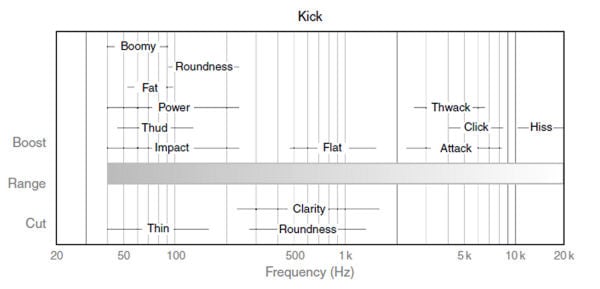
A wonderful thing about music production these days, is that you can do it without the need for a big studio. But if you’re interested in making bass heavy music, then there’s nothing more important than getting to know your bass better.
One of the main reason people struggle with getting their mixes to sound tight and punchy is because of poor monitoring environments, especially in the bottom end.
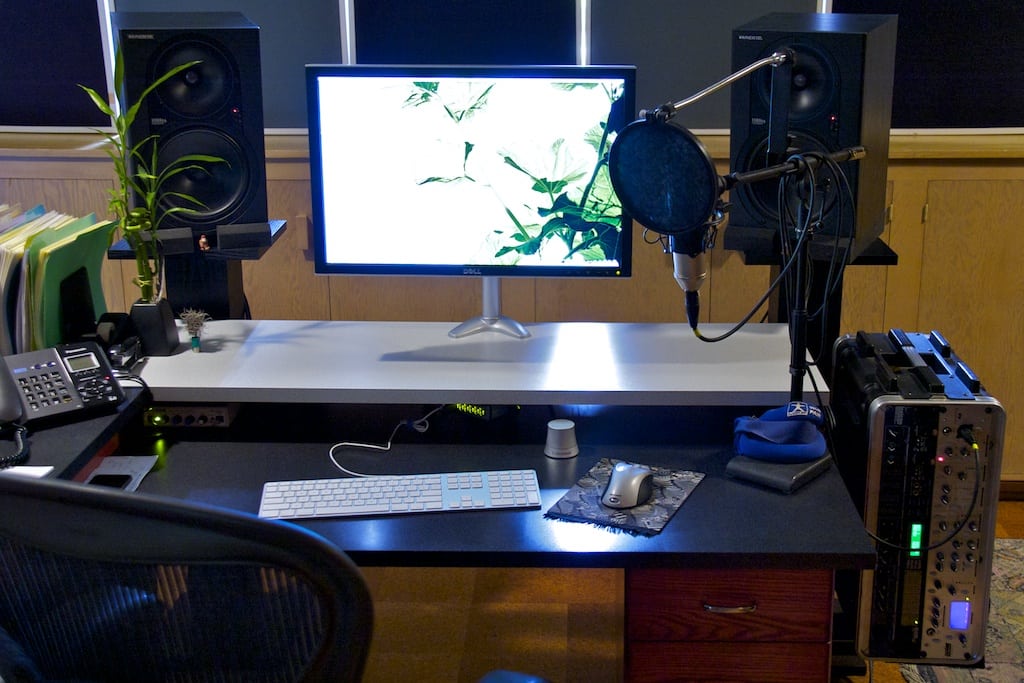
Example of a simple home studio environment.
One way to hear whats down there is to turn it up, and if you don’t have the luxury of an acoustically isolated space, you’re going to piss off your neighbours, girlfriend, parents, etc. Another way to do it would be to fork out on absurdly good headphones or a subwoofer (and again, piss off your….).
But there is cheap and effective solution!
I discovered this years ago by accident but got so used to it, that I still rely on it to this very day.
I used to place my monitors on my desk in a fairly small room; this created all sorts of negative issues, such as causing the table to resonate, and given how close the speakers were to the back wall, the entire room would sometimes resonate at certain frequencies, especially at higher volumes.
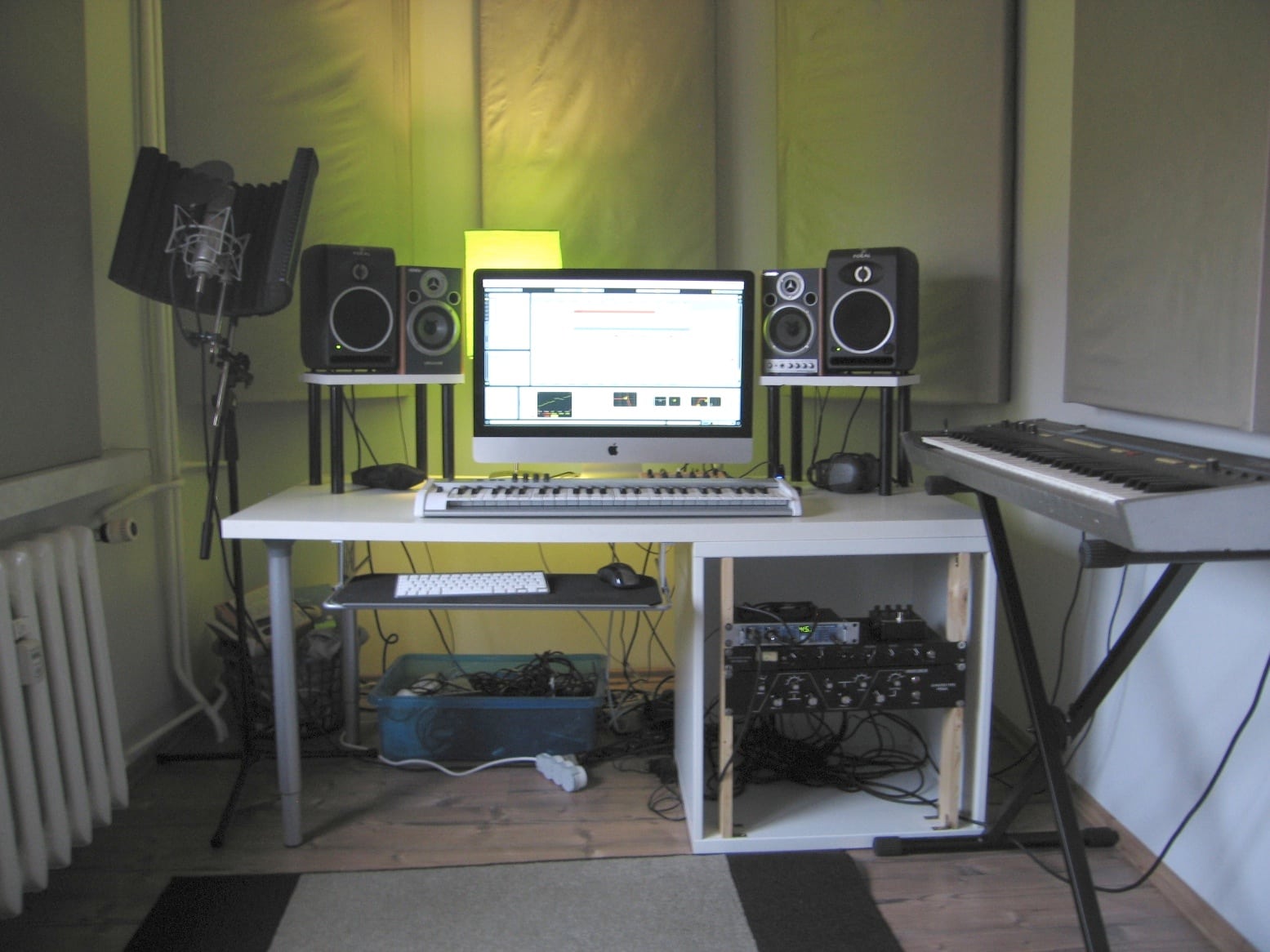
Another example home studio.
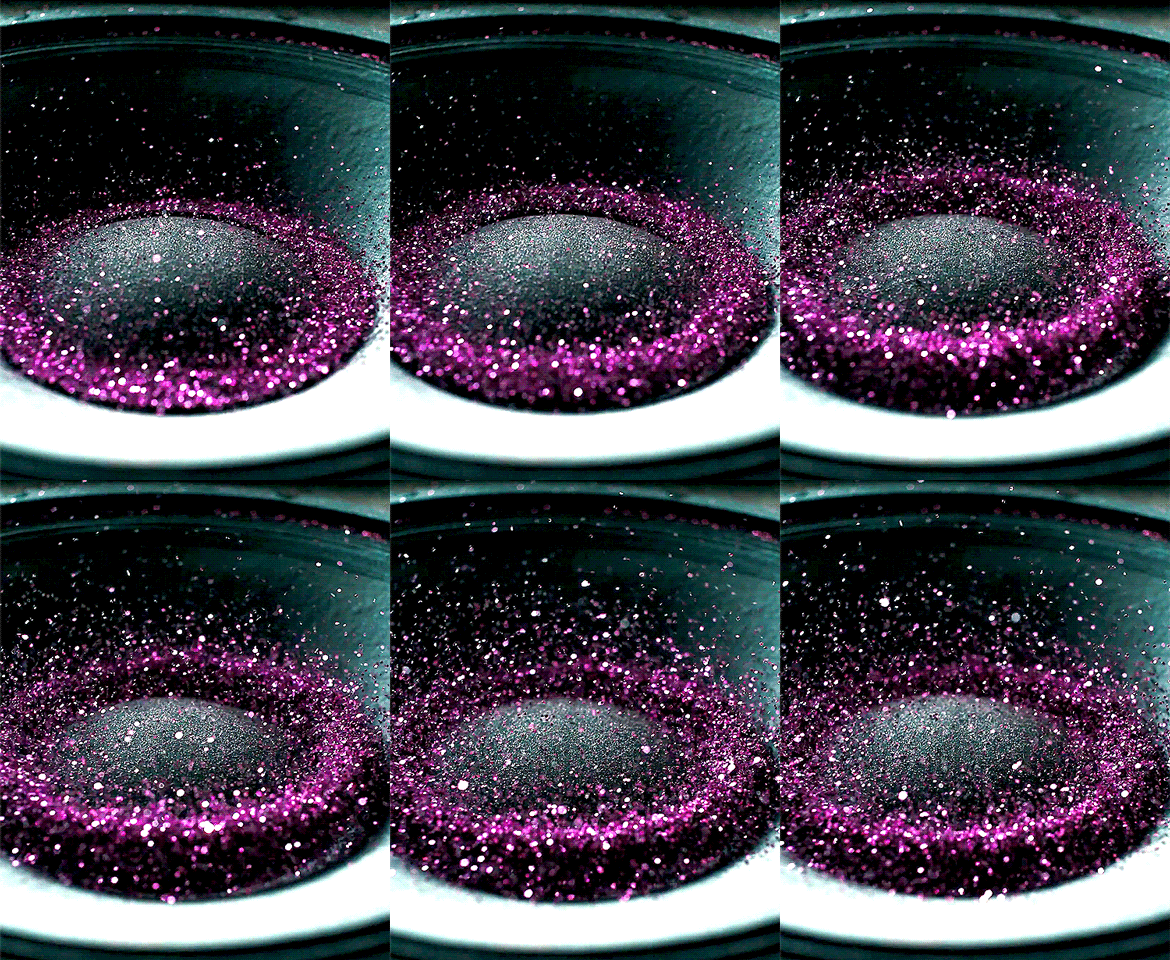
But at lower volumes when the room didn’t resonate, I noticed something else. The speakers were sitting directly on the wooden table because I couldn’t even afford any acoustic sponge to sit them on. This in turn caused low-frequencies to vibrate directly through the table. Another way to do it, is to actually touch the speaker cone, ever so carefully. This gives you a very precise sense of any bass movement, but be sure not to apply too much force, or you could damage the drivers!
Through this, I found myself *feeling* the bass. This became especially useful even when they were turned up, because even though I didn’t have a subwoofer, I could feel what was going on below 40Hz.
Another way is to actually look at the woofer. If at a moderate volume, you can visibly see the woofer moving back & forth (~5-15Hz) then you need to hi-pass something.
Feel the bass!
Doing this, I was able to have a sense of how fast the low-end was moving, or feel the separation between the kick and bass. I could also feel just how low the bass went. This in turn affected sound design and mix decisions… and when you get the low-end sounding good, the rest is a lot easier to build.
At first, it takes some getting used to… ie, knowing how much movement is *just right*, but you eventually pick it up, and it never leaves you. In fact you’ll start to be more aware of sub-sonic in clubs and other loud spaces. Lastly, you may have seen this technique in this part of that film “It’s All Gone Pete Tong” – I still use do this today and swear by it.
To understand the strengths of each instrument, we gave three of our engineers, Simon Todkill, Jono Baker and Simon Cohen, the challenge of recording these pianos in the purest (is that the best?) way possible.
The final recordings are below…
Both pianos were recorded at 24/96 with a stereo pair of AKG c414b-uls and Coles 4038 microphones. They were hooked up to SSL Alpha pre-amps running into an Apogee Rosetta 200 convertor. Some recordings (as per their names) also have room mics, which were AKG c414xl2 microphones recorded through our Neve 88R console pre-amps. No compression, eq or other processing has been applied.
You can download these recordings to hear them in their full glory!
To book a recording session with these pianos, Please contact Kimberly on recording@studios301.com or 02 9698 5888
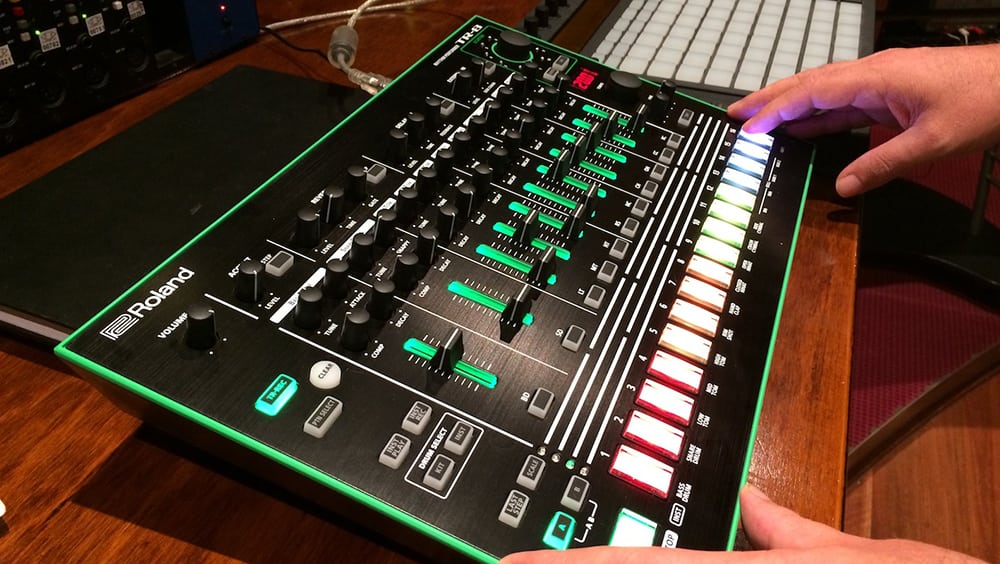
Together with our friends at Ableton Liveschool, we recently got hold of the yet-to-be-released Roland AIRA TR-8. Not only did we sample a selection of its awesome 808 and 909-style sounds, we then we ran it through our recently serviced and incredibly rare Fairchild 670 Valve compressor…
Ooops! The samples went up a bit too soon. Join our mailing list to be notified of future sample pack releases.
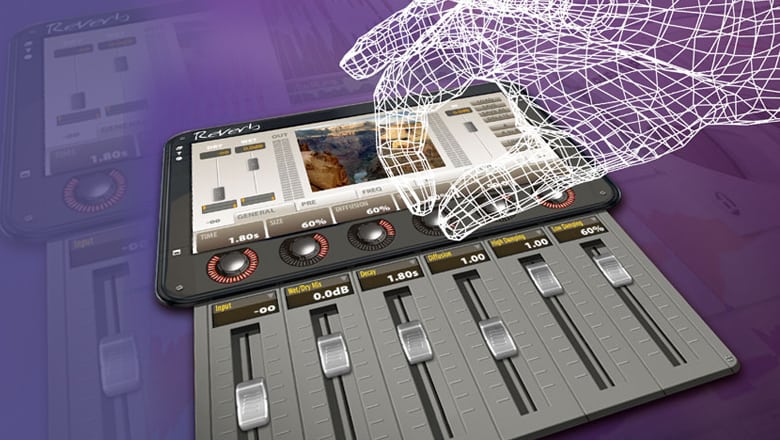
One of the most important aspects of mixing a vocal and getting it to sit in your mix is the amount and type of reverb you apply to it. Reverb is critical to create depth and space around your vocal. A favourite technique of mine for a lead vocal (especially in pop music or hip hop) is to use 2 reverbs, where the vocal needs to be way up front but still sound connected to the rest of the mix.
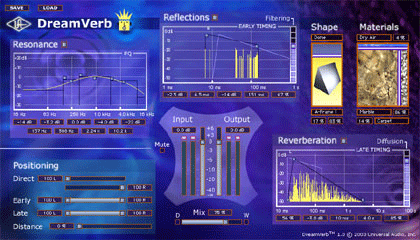
First up we want to create a mono aux send and place a clean and modern sounding reverb, in MONO. My favourites for this are Waves RVerb, UAD Dreamverb,
Valhalla Room or the old faithful D-Verb. You want to have this panned directly in-line your vocal (9 times out of 10 this is going to be dead centre). Set your reverb up with a short pre-delay 2-3ms on a small room setting with a short time setting that decays away nicely with your vocal. When you turn up your Aux send, you should hear something between a slapback and a room sound. The idea with this reverb is, to actually bring the vocal forward in the online mix, an effect that is created by the short pre-delay. If you walk towards a wall talking/singing you will notice that when you get really close to the wall there is a noticeable short slap. By creating this reverb with a short pre-delay, we create a feeling of standing right in front of the vocalist. It is important that this reverb is in mono as we don’t want it to spread the vocal out at all in our stereo field. One plug-in worth mentioning at this point is the UAD Ocean Way; it is capable of this effect with amazing clarity and can really add “that” sound to your vocal – it’s expensive but totally worth it!
For the second reverb we want to create a separate STEREO send, and place a vintage style plate (or spring). I like to use the UAD EMT 140 but the Valhalla Vintage is cool as well. The setting can be a little less precise here with basically a long plate verb that fits your mix in terms of time and tone. The only key setting is a long pre-delay 30-50ms. You want to set the level of this verb to just where it starts to disappear in the mix, although how much you add will depend on the style of your track, i.e. more for a ballad, less for a rap. This will help your vocal sit back and blend the rest of the elements. You can also send other parts of your mix like, pads, rhythm guitar or drum overheads to this stereo verb, which will further gel the vocal with the other elements by putting them in the same “space”.
If you use this technique and tweak it to your mix you will end up with a vocalist that sounds like they are standing right in front of your face in a large space. Giving you that in your face sound, without appearing separate to the rest of your track.
[Jack Prest is an In-house Producer/Engineer at Studios 301]
SSL and Neve are the two most recognised names in professional mixing console history. For decades, engineers and producers have debated which sounds better, which is more versatile, and which delivers the best results. The truth is that both are exceptional, but they are exceptional in different ways.
At Studios 301, our engineers have spent years working on both SSL and Neve consoles across thousands of sessions. Here is how the two flagships actually compare, from the engineers who know them best.
The Sound of SSL
SSL (Solid State Logic) consoles are known for their clarity, precision, and bandwidth. The SSL sound is often described as “clean” or “transparent,” with a wide open frequency response that allows every element of a mix to occupy its own space.
Key characteristics of the SSL sound:
Wide bandwidth. SSL channel strips handle the full frequency spectrum with minimal colouration, giving the engineer a neutral starting point. This makes SSL consoles particularly well suited to mixing, where the goal is to balance many sources without adding unwanted colour.
Defined low end. The bass response on an SSL tends to be tight and controlled rather than warm or rounded. This is an advantage in genres where low-end precision matters, such as pop, hip-hop, and electronic music.
The “SSL edge.” Many engineers describe a subtle brightness or presence in the SSL signal path. It is not harsh, but it adds a sense of definition and forward energy to a mix.
As Studios 301 mastering engineer Leon Zervos notes, the SSL sound is “less coloured” than the Neve, but it has a certain “edge” that gives mixes forward momentum.
The Sound of Neve
Neve consoles are known for their warmth, harmonic richness, and a distinctive “musical” quality that engineers often describe as three-dimensional. Where SSL aims for transparency, Neve adds colour, and many engineers consider that colour to be one of the most desirable sounds in recording.
Key characteristics of the Neve sound:
Fast transient response. Despite the warmth, Neve preamps have a very fast slew rate, meaning they capture transients openly and accurately. Engineer Mitch Kenny, who has worked extensively at Studios 301, points out that this makes Neve preamps particularly effective for tracking, where capturing the detail and energy of a live performance is critical.
Warmth and thickness. The Neve signal path introduces subtle harmonic saturation, particularly in the low mids, which gives recordings a sense of depth and weight. Leon Zervos describes the Neve 88R’s sound as “warm and thick, with a nice element of presence when the EQ is enabled.”
Transformer character. Neve microphone preamps use input transformers, which shape the signal in a way that adds musical complexity. This is a significant factor in the “Neve sound” that engineers and producers value so highly.
How They Compare: Recording vs Mixing
One of the most consistent observations from engineers who have worked extensively on both is that each console has a natural strength:
Neve for recording. The combination of transformer-based preamps, harmonic richness, and fast transient response makes Neve consoles ideal for tracking. Vocals, drums, strings, and acoustic instruments all benefit from the depth and character that the Neve signal path introduces.
SSL for mixing. The SSL’s clean signal path, wide bandwidth, and more forgiving dynamics processing make it an excellent mixing environment. When you are working with 40 or more tracks simultaneously, the SSL’s neutrality allows more to “fit” in the mix without elements fighting for space.
Engineer Jono Baker once ran the same session through both a Neve and an SSL. His conclusion: the SSL preamps sounded “muddier” by comparison for recording, while the Neve preamps were “cleaner, more detailed, and better suited to recordings where the sound needs to be as open as possible.” This was particularly evident on orchestral and acoustic material.
This is why, as producer Ivan Gough once put it, the conventional wisdom is: “Track on Neve, mix on SSL.” It is a generalisation, but it reflects the natural strengths of each platform.
SSL vs Neve: The Engineering Differences
Beyond the subjective listening experience, there are concrete engineering differences between the two console families:
Feature
SSL (e.g. 9000 series)
Neve (e.g. 88 series)
Mic preamp design
Electronically balanced, no transformer
Transformer-coupled input
Signal path character
Clean, transparent
Coloured, harmonically rich
EQ voicing
Precise, surgical
Musical, broad strokes
Dynamics section
VCA-based (punchy, aggressive)
Diode-bridge or VCA (varies by model)
Automation
Intuitive, industry-standard
Sophisticated but complex
Best suited for
Mixing, post-production
Tracking, orchestral recording
It is worth noting that the Neve sound varies significantly across different eras and models. A vintage Neve from the 1970s sounds quite different from a modern Neve 88R, and there have been several models in between with substantially different designs. In the SSL camp, the evolution from E-series to G-series to K-series has been more gradual, with the core SSL character remaining more consistent across generations.
We also asked some friends out there on their thoughts:
“Tracking on a Neve is nice and creative, SSL for mixing. Having spent many years working with Spike Stent on his G-Series with non-linear summing, it’s a revelation!”
Lee Groves, Producer/Mix Engineer
SSL vs Neve in Plugin Form
For many producers and engineers today, the SSL vs Neve question extends beyond hardware. The sonic characteristics of both console families have been meticulously modelled as software plugins, making their sound accessible to anyone working in a DAW.
Notable SSL plugin emulations:
Waves SSL E-Channel and G-Channel (channel strip)
UAD SSL 4000 E and G series
Brainworx bx_console SSL 4000 E and G
Plugin Alliance SSL Native channel strips
Notable Neve plugin emulations:
UAD Neve 1073 Preamp and EQ
Waves Scheps 73 and V-Series
Brainworx bx_console Neve 88RS
Plugin Alliance Lindell Audio 80 Series
These plugins capture the tonal characteristics of their hardware counterparts with impressive accuracy. While the experience of mixing through a physical console involves more than just the signal path (the tactile feedback, the summing behaviour, the room), plugin emulations give producers a reliable way to access the SSL or Neve “flavour” within a digital workflow.
Many professional studios, including Studios 301, use a hybrid approach that combines analog hardware with digital tools. The plugins serve as creative shaping tools in the mix, while analog outboard processing and monitoring chains provide the depth and dimension that hardware delivers.
Whether you are working with hardware or plugins, the goal is the same: finding the tonal character that serves the music. If you would like our engineers to bring that character to your recordings, explore our online mixing service or learn more about what mastering involves.
Which Console Is Right for Your Music: SSL or Neve?
The SSL vs Neve choice is ultimately about what serves the music. Here are some practical guidelines:
Consider SSL or SSL-style processing if:
You are mixing dense, multi-track productions (pop, hip-hop, electronic)
You want a clean, precise foundation that lets every element sit clearly
Your mix needs tight, controlled low end
You prefer to shape the sound surgically with EQ and compression
Consider Neve or Neve-style processing if:
You are recording live instruments (drums, strings, vocals, acoustic guitars)
You want warmth, depth, and harmonic richness in your source recordings
Your production style values character and texture over clinical precision
You are working with sparser arrangements where tonal quality is front and centre
Of course, many records use both. It is common for an album to be tracked through Neve preamps for the warmth and detail they bring to the recording, then mixed on an SSL (or with SSL-modelled processing) for the clarity and headroom the mix stage requires.
Frequently Asked Questions
What is the main difference between SSL and Neve consoles? SSL consoles are known for clarity, precision, and a transparent signal path that is well suited to mixing. Neve consoles are known for warmth, harmonic richness, and transformer-coloured preamps that excel at recording. Many engineers describe the difference as “clean vs coloured.”
Which is better for recording vocals, SSL or Neve? Most engineers prefer Neve preamps for vocal recording because of the warmth and harmonic character they add. The transformer-coupled input stage gives vocals a sense of depth and presence that many listeners find immediately appealing. That said, some engineers prefer the clarity of an SSL preamp for certain vocal styles.
Can I get the SSL or Neve sound with plugins? Yes. Both SSL and Neve channel strips have been modelled as high-quality plugins by companies including Universal Audio, Waves, Brainworx, and Plugin Alliance. While plugins do not replicate the full experience of mixing on a physical console, they capture the tonal characteristics with impressive accuracy.
Is SSL or Neve better for mixing? SSL consoles have been the industry standard for mixing for decades. Their clean signal path, wide bandwidth, and punchy VCA compression make them ideal for balancing complex mixes. Neve consoles can also be used for mixing, but their stronger tonal character means the engineer needs to account for the colour the console introduces.
Why are SSL and Neve consoles so expensive? Large-format analog consoles represent decades of engineering refinement, use premium components, and are built to professional broadcast and studio standards. A new SSL or Neve console can cost hundreds of thousands of dollars, which is why they are found primarily in major commercial studios and why plugin emulations have become such a popular alternative.
Work with Studios 301
Whether you are looking for professional online mastering with engineers like Leon Zervos and Steve Smart, online mixing, or want to discuss a recording session at our Surry Hills studio, our team brings decades of experience across every genre and format.













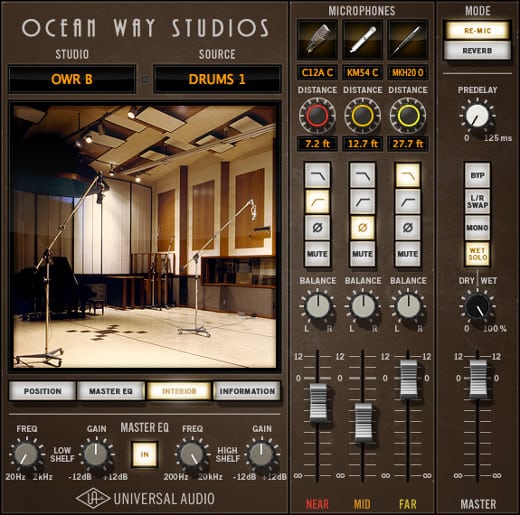 UAD Ocean Way; it is capable of this effect with amazing clarity and can really add “that” sound to your vocal – it’s expensive but totally worth it!