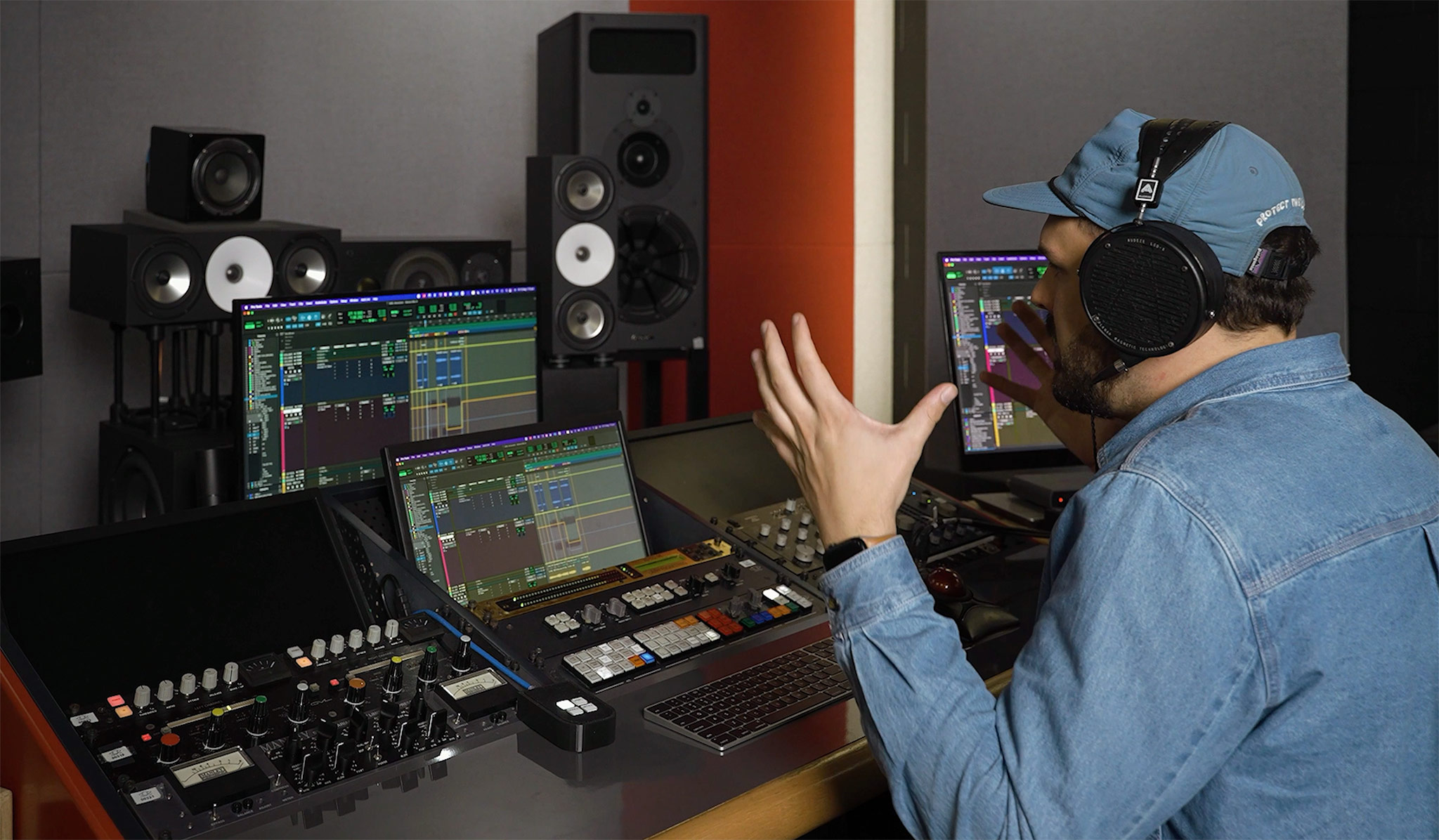
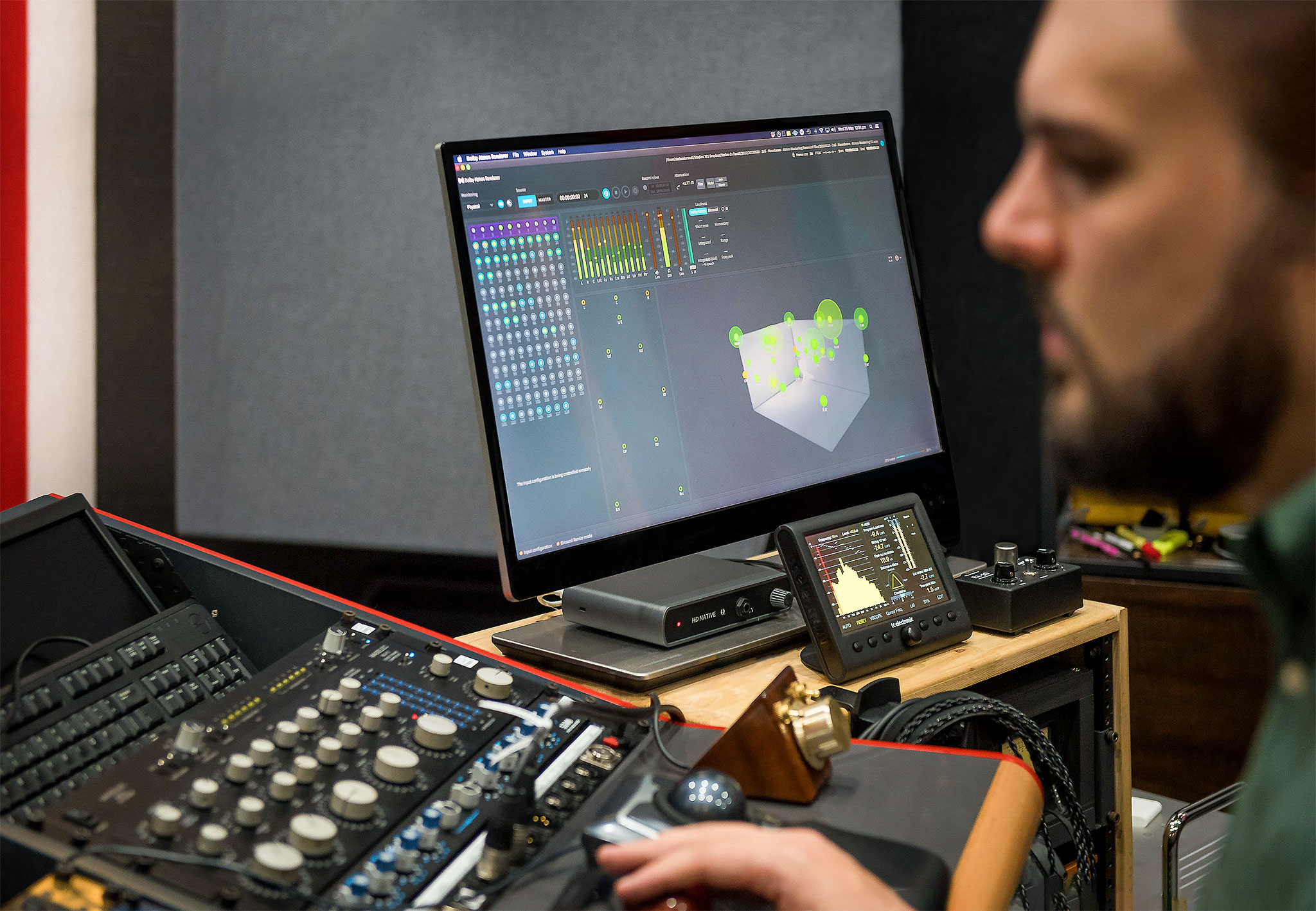
Stefan Du Randt breaks down the mixing of DOBBY’s “Ancestor” in Dolby Atmos Music and highlights the tricks and techniques to mixing a track in spatial audio.
From surrounding to immersive, Dolby Atmos is the next step in the evolution of spatial audio. Dolby Atmos Music takes your listening experience beyond the ordinary and puts you “inside” of every song, giving you unparalleled clarity for every detail of the music.
With more access to this technology than ever before, there’s never been a better time to take your listeners on a cinematic journey with Dolby Atmos Music. Ready to take your music to the next level?
The way we listen to audio has changed dramatically. In 2026, it’s evolving faster than ever. Dolby Atmos is now standard on Apple Music and Amazon Music, Google and Samsung have launched the open-source Eclipsa Audio format, and the Grammy Awards have recognised immersive audio as a standalone category since 2019.
But what actually makes Dolby Atmos different from traditional surround sound? And how does it compare to the stereo format we’ve used for nearly a century?
In this guide, we break down the key differences between stereo, surround sound and Dolby Atmos, covering how each format works and what it means for artists, producers and listeners. (For a deeper look at how Dolby Atmos Music works specifically, see our companion guide: What is Dolby Atmos Music?)
All About Stereo
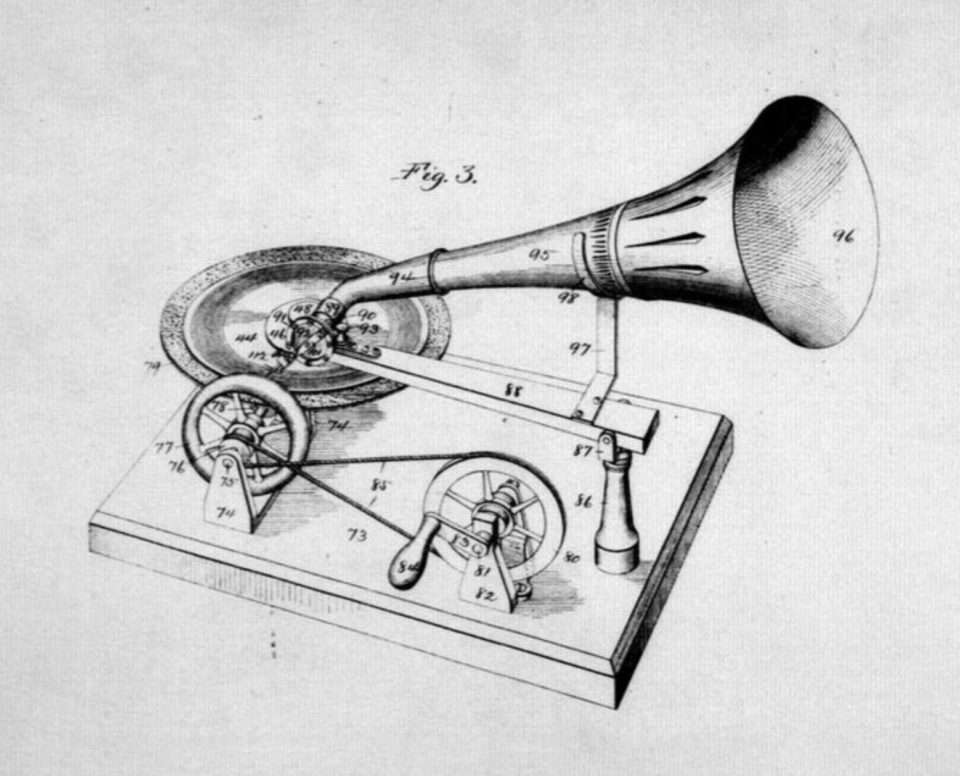
Early Gramophone Patent. United States Patent Office, Washington, D.C, 1895 (source)
Taking a quick look into the history of sound reproduction, we can trace four main steps leading up to modern spatial audio.
We began in mono: a single channel recorded with a single microphone.
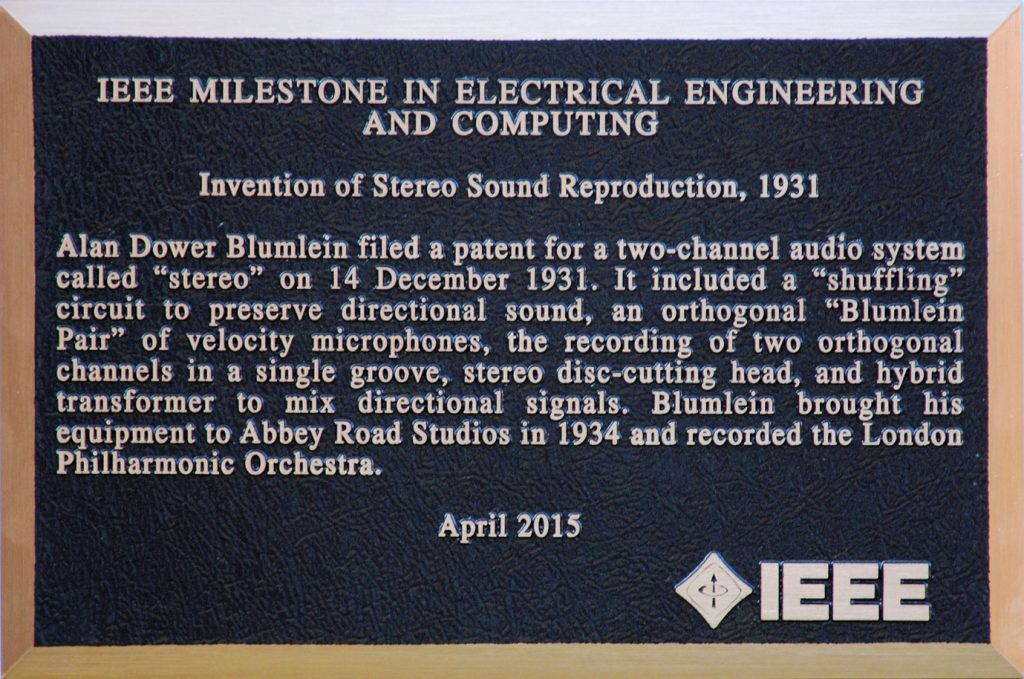
Around the 1930s, stereo audio began to appear. Pioneered by engineers like Alan Blumlein at EMI (the same company that would later build Abbey Road Studios), stereo uses two microphones positioned around a sound source. The signals from each microphone are assigned to either the left or right channel, and subtle differences in timing and frequency between them create the illusion of width and space when played back.
A stereo listening setup uses two speakers. When a stereo track is played, an imaginary one-dimensional “sound field” is created between them. To hear the most convincing stereo image, you need headphones or a position equally distant from both speakers, often called the “sweet spot.”
We can move the position of a sound between the left and right channels by adjusting each side’s signal level. This is called panning. A louder signal on the left moves the sound towards the left, and vice versa. Mixing tools like EQ, compression and reverb can give the illusion that sounds are closer or further away, but they remain trapped in that one-dimensional field between the speakers.
Stereo remains the dominant format for music today. The vast majority of streaming, vinyl and digital releases are mixed and mastered in stereo.
Surround Sound: Adding Other Dimensions
5.1 Surround Sound Setup
The next step after stereo was to add another dimension. A conventional surround sound format is described as either 5.1 or 7.1, meaning 5 or 7 speakers surrounding you at ear level, plus a subwoofer (the “.1”). This creates a two-dimensional sound field where sounds can move front-to-back as well as left-to-right.
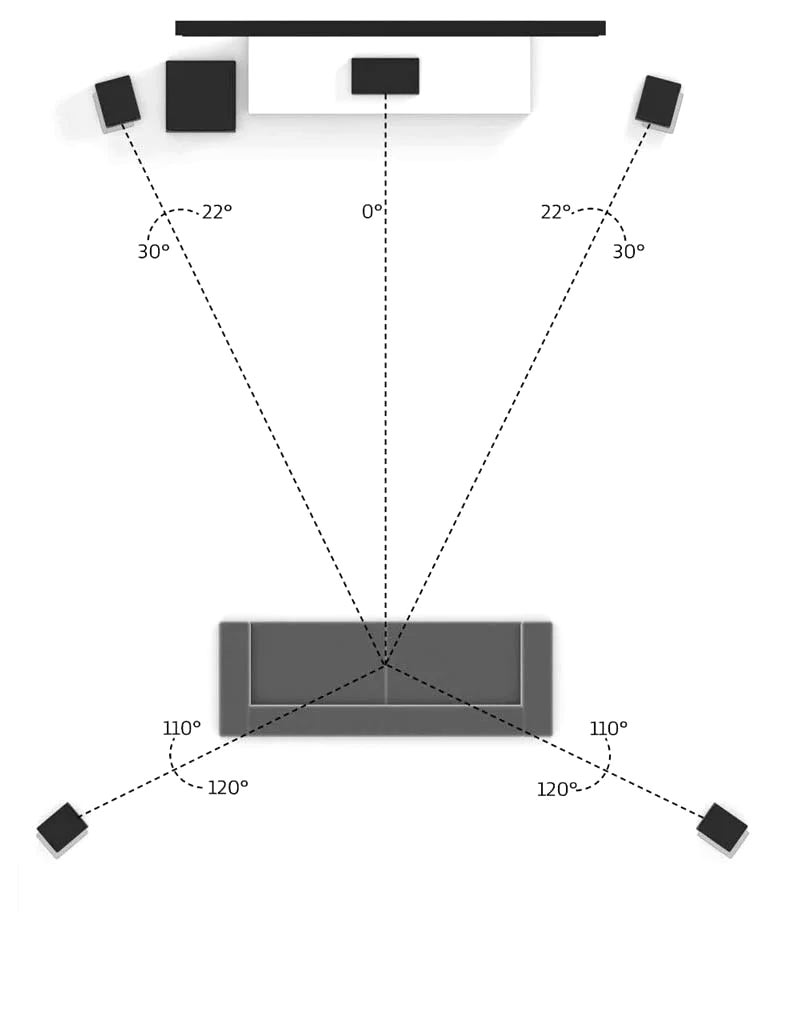
5.1 is the most common surround sound layout and is the standard for home cinema. It consists of centre, left and right speakers in front of the listener, plus surround left and right speakers slightly behind. With this layout, sounds can be panned between any combination of the five speakers.
A 7.1 system adds four surround speakers instead of two, splitting the rear and side channels. The side speakers sit at roughly 90 degrees to the listener, while the rear speakers are positioned behind.
These layouts can be scaled up for commercial cinemas, where multiple speakers per channel account for larger audiences.
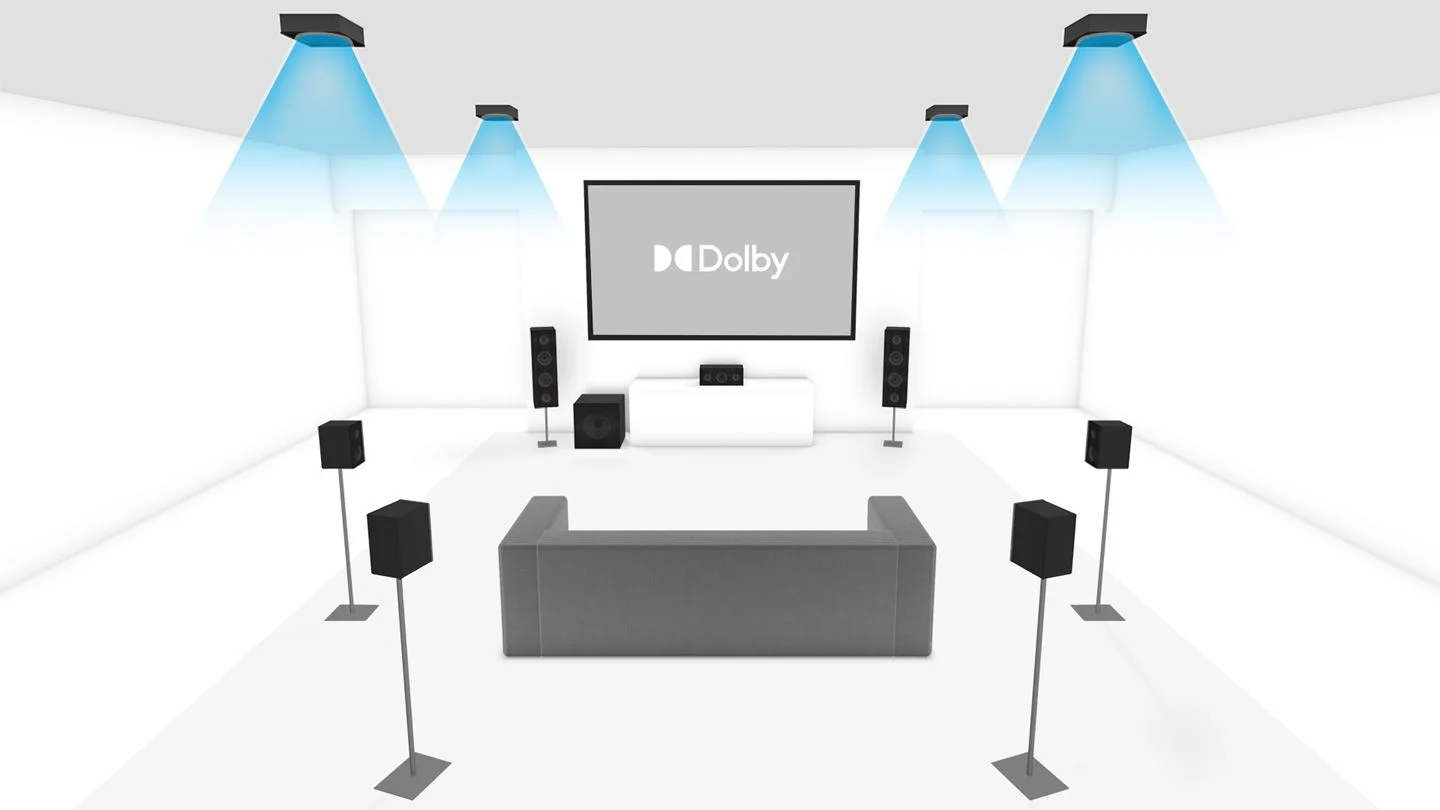
Expanding further, we can add height channels (either 2 or 4 speakers above the listener, written as “.2” or “.4”). A 7.1.2 setup, for example, gives us a three-dimensional sound field: audio can travel front-to-back, left-to-right, and up-and-down. This is where surround sound starts to become truly immersive.
All surround formats share one goal: to reproduce audio in a way that replicates how we hear in real life, as if the sound has become a physical object in the room.
Dolby Atmos vs Surround Sound: Channel-Based vs Object-Based Audio
This is where Dolby Atmos fundamentally changes the game.
Stereo and conventional surround formats are channel-based. Individual tracks in a mix are routed to specific output channels (left, right, centre, surround left, and so on). The mix is locked to a specific number of speakers. To hear it correctly, your playback system needs to match.
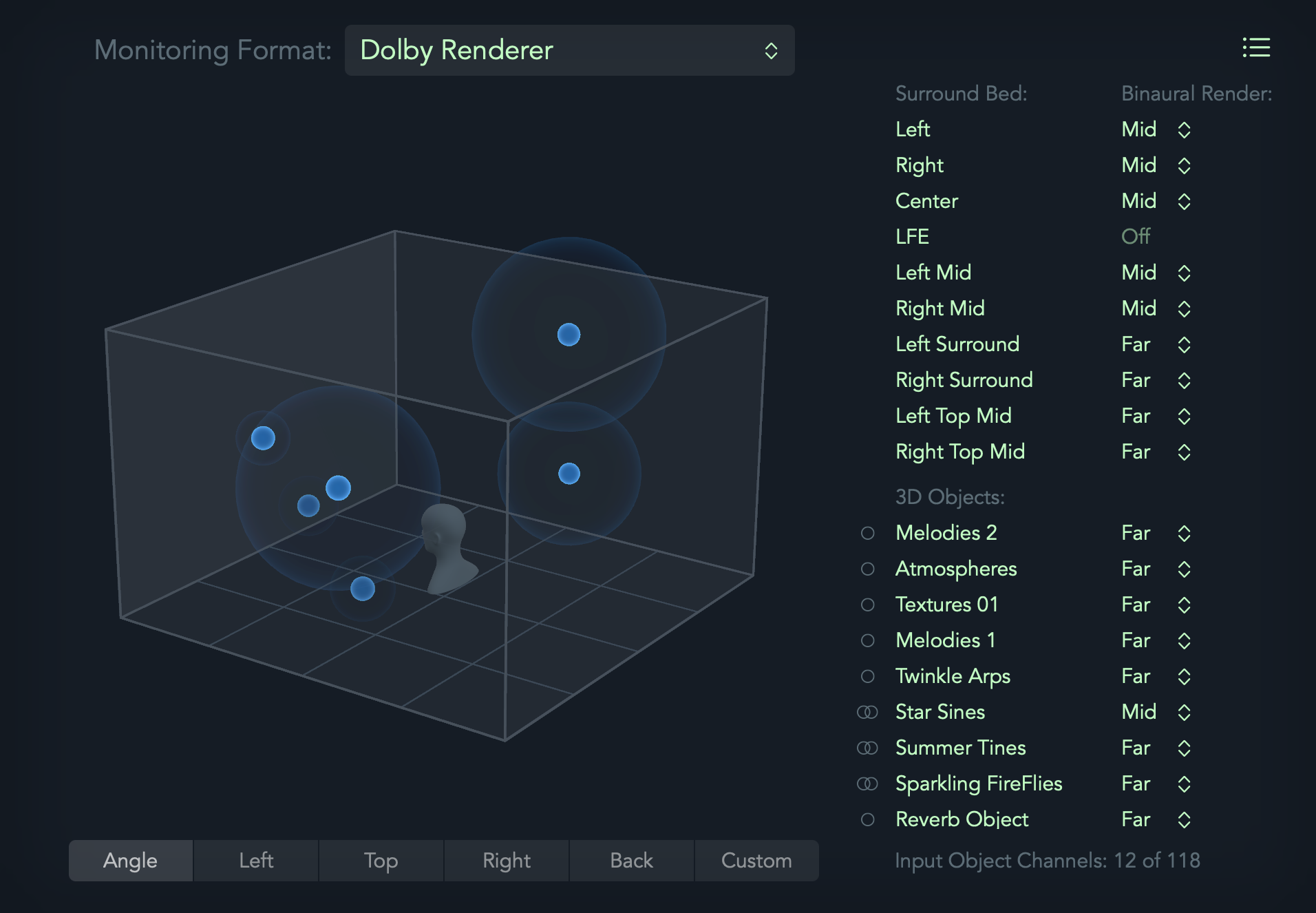
Dolby Atmos is an object-based system. Instead of panning a sound to a fixed channel, Atmos stores the sound’s position as metadata, similar to X, Y and Z coordinates in a 3D space. When the mix is played back, the Dolby Atmos renderer reads this metadata and translates it to whatever speaker layout is available: stereo, 5.1, 7.1.4, or headphones.
The Atmos renderer isn’t entirely object-based, though. It also supports a conventional channel-based approach. Sounds that won’t move around the 3D space, or recordings made with multiple microphones in stereo or surround, can be routed to a surround output bus. These fixed channels are called the “bed” in Atmos. Only bed channels can send audio to the LFE (subwoofer) channel, so bass-heavy elements typically use the bed.
Objects are better for sounds that need a precise spatial location or that move through the 3D space during playback. Each object carries a single audio signal, so a stereo recording would need two separate objects.
The renderer is what makes Dolby Atmos so versatile. The same mix plays on everything from a pair of earbuds to a 128-speaker cinema, with the renderer automatically adapting the spatial positioning. More speakers means a more precise 3D sound field, but even on headphones, the effect is convincing.
Quick Comparison: Stereo vs Surround vs Dolby Atmos
Stereo
5.1 Surround
7.1 Surround
Dolby Atmos
Speakers
2
6 (5 + sub)
8 (7 + sub)
Flexible (2 to 128+)
Sound field
1D (left/right)
2D (left/right, front/back)
2D (wider rear field)
3D (adds height)
Audio type
Channel-based
Channel-based
Channel-based
Object-based + bed
Height channels
No
No
No
Yes (2 or 4)
Adapts to playback system
No
No
No
Yes (renderer)
Headphone support
Native
Requires downmix
Requires downmix
Binaural rendering
At Studios 301, our engineers work with artists on Dolby Atmos mixing sessions, whether remixing existing stereo tracks or creating immersive mixes from scratch. Our Atmos engineer Stefan Du Randt has mixed Atmos projects across genres, from pop and electronic to classical and film.
What About Headphones?
Stereo has always been our default for music, whether on speakers at home, at a live venue, or through headphones on the go. So how do you experience immersive 3D audio through just two ear speakers?
The answer is binaural rendering. Our ears detect the position of a sound by comparing volume, frequency content and timing differences between each ear. These differences are shaped by the physical distance between your ears and the contours of your head (the “head shadow”). Binaural rendering artificially recreates these differences using HRTF (Head Related Transfer Function) algorithms, which model a virtual head shape to process the audio signal.
The limitation is that HRTFs are based on average head measurements. The further your own head shape differs from the average, the less realistic the 3D effect becomes.
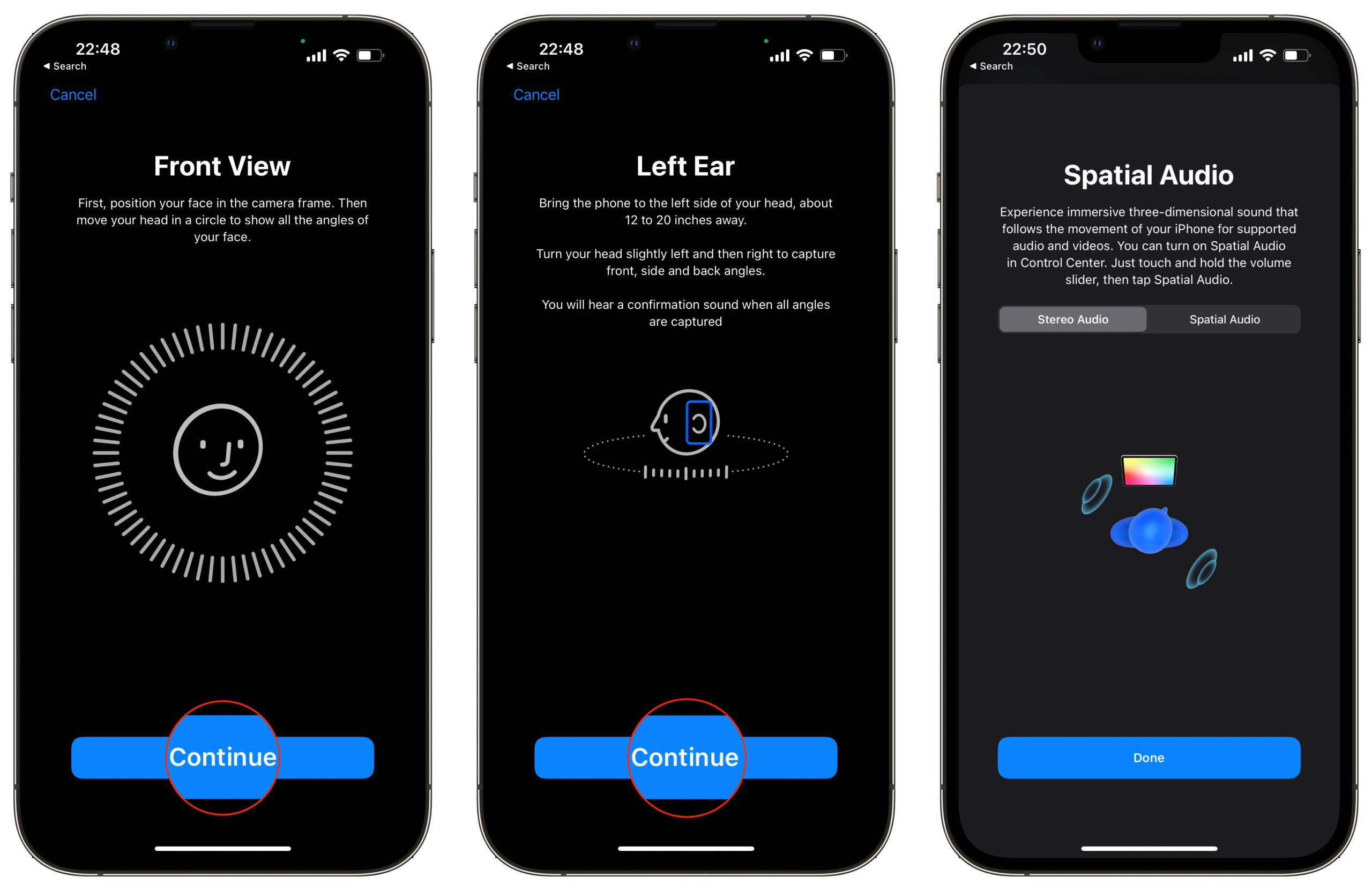
This has improved significantly since 2022. Apple’s Personalised Spatial Audio (available on iPhone and recent AirPods models) uses your phone’s TrueDepth camera to scan your face and ears, generating a custom HRTF profile optimised for your unique anatomy. The result is a noticeably more convincing spatial experience.
Dynamic head tracking takes it further. Sensors in supported headphones monitor the position of your head and adjust the audio so the sound field stays anchored in place as you move. If a guitar is placed to your right in the mix, turning your head right brings it to the centre, just as it would in real life.
Dolby Atmos mixes can be rendered to binaural audio on any headphones. Apple Music’s Spatial Audio, Amazon Music’s 3D Audio and TIDAL’s Dolby Atmos support have made this the primary way most listeners experience immersive music, with no speaker system required.
Spatial Audio in 2026: Where Things Stand Now
The spatial audio landscape has shifted dramatically since Dolby Atmos Music first launched on streaming platforms.
Dolby Atmos remains the dominant immersive music format. Apple Music reported that over 90% of its listeners have tried Spatial Audio, and immersive tracks now account for nearly one-third of all plays. Amazon Music and TIDAL continue to expand their Atmos catalogues, and 85 of the top 100 Billboard artists released music in Dolby Atmos over the past year.
Eclipsa Audio, introduced by Google and Samsung in January 2025, is a new open-source, royalty-free spatial audio format developed through the Alliance for Open Media. Unlike Dolby Atmos (which requires licensing), Eclipsa is free for anyone to create and distribute. Samsung’s 2025 TV and soundbar lineup supports it natively, YouTube accepts Eclipsa Audio uploads, and Google has released free Pro Tools plugins for Eclipsa mixing. It’s early days, but the removal of licensing barriers could make spatial audio accessible to far more independent creators.
Apple quietly unveiled its own spatial audio format, ASAF (Apple Spatial Audio Format), at WWDC 2025, building on its existing Dolby Atmos infrastructure with enhanced head-tracking capabilities.
Spotify, the world’s largest streaming platform, still does not natively support Dolby Atmos or spatial audio as of early 2026. The company has acknowledged it is working on immersive audio features, but no launch date has been confirmed.
The Grammy Awards added the Best Immersive Audio Album category in 2019. Recent winners include Peter Gabriel’s i/o (In-Side Mix) in 2025 and Justin Gray’s Immersed in 2026, demonstrating that the music industry takes spatial audio seriously as a creative format, not just a technical novelty.
Is Dolby Atmos the Future of Music?
In 2022, the question was whether Dolby Atmos would go mainstream. In 2026, the answer is clear: immersive audio is here to stay.
The real question now is which format will dominate. Dolby Atmos has the catalogue, the ecosystem and the artist buy-in. Eclipsa Audio offers an open-source alternative that could accelerate adoption, particularly on Android and YouTube. Apple is building its own proprietary extensions.
For artists and producers, the practical takeaway is straightforward: releasing in Dolby Atmos gives your music access to the fastest-growing segment of music streaming. And with binaural rendering making the experience available to anyone with headphones, the barrier to entry for listeners has essentially disappeared.
Frequently Asked Questions
Is Dolby Atmos the same as surround sound? No. Surround sound is channel-based, meaning audio is mixed for a specific speaker layout like 5.1 or 7.1. Dolby Atmos is object-based, meaning sounds are positioned in a 3D space and the renderer adapts the mix to whatever playback system you have, from headphones to a cinema.
Do I need special speakers for Dolby Atmos? No. Dolby Atmos can be experienced on any headphones through binaural rendering. For a speaker-based experience, a soundbar with Atmos support or a 5.1.2+ speaker setup will deliver the full spatial effect.
Can I listen to Dolby Atmos on Spotify? As of early 2026, Spotify does not natively support Dolby Atmos or spatial audio. Dolby Atmos Music is available on Apple Music, Amazon Music and TIDAL.
What is Eclipsa Audio? Eclipsa Audio is an open-source, royalty-free spatial audio format developed by Google and Samsung through the Alliance for Open Media. It offers similar immersive audio capabilities to Dolby Atmos but without licensing fees.
Is Dolby Atmos worth it for music? Yes, especially for artists seeking to differentiate their releases. Over 90% of Apple Music listeners have tried Spatial Audio, and immersive mixes now account for nearly a third of all plays on the platform. The Grammy Awards have also recognised immersive audio as a standalone category since 2019.
Get Your Music Mixed in Dolby Atmos
Ready to take your music into three dimensions? Studios 301 offers professional Dolby Atmos mixing for artists and labels. Whether you’re creating a new immersive mix from scratch or adapting an existing stereo release, our engineers can help.
Picture your music wrapping around the listener, not just from left and right, but from above, behind, and every direction in between. That’s Dolby Atmos Music.
Over 90% of Apple Music listeners have experienced Spatial Audio, and nearly a third of all plays on the platform are now in Dolby Atmos. Originally developed for cinema in 2012, Dolby Atmos has become the dominant format for immersive music, and it’s no longer a niche technology.
In this guide: how Dolby Atmos Music works, where to listen to it, and how to get your own tracks mixed in Atmos at Studios 301.
How Dolby Atmos Music Works
Dolby Atmos Music differs from traditional surround sound in two fundamental ways:
Height channels. A typical surround setup places 5 or 7 speakers around you at ear level. Dolby Atmos adds speakers overhead, so sound can come from above as well as from all sides, creating a true 3D listening space.
Object-based audio. Traditional surround sound is channel-based: audio is mixed for a fixed speaker layout (such as 5.1 or 7.1). Dolby Atmos uses coordinates in a virtual 3D space to position each sound as a discrete “object.” This means the same mix can be played back on anything from headphones to a 128-speaker cinema. The Dolby Atmos renderer automatically adapts the spatial positioning to the available system.
Dolby Atmos Channels vs. Speakers: How It Scales
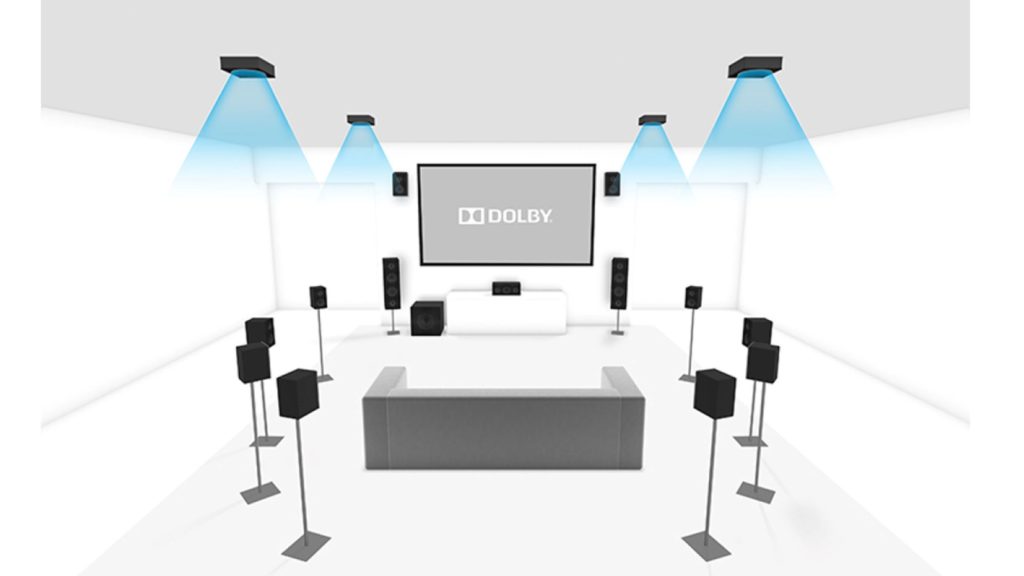
A typical 7.1.4 Dolby Atmos Speaker Setup via dolby.com
Understanding the difference between channels and speakers is key to understanding how Dolby Atmos scales.
In a small home cinema, you might have one speaker per channel: three at the front (left, centre, right), two at the sides and two behind. Scale that up to a commercial cinema and you might need six speakers along the left wall alone, all playing the same “left” channel signal.
Dolby Atmos goes further. It can detect how many speakers are available and control each one independently, moving sounds through the space with precision. Whether your setup has five speakers or 128, the positions you set in the mix translate accurately, on any system, every time.
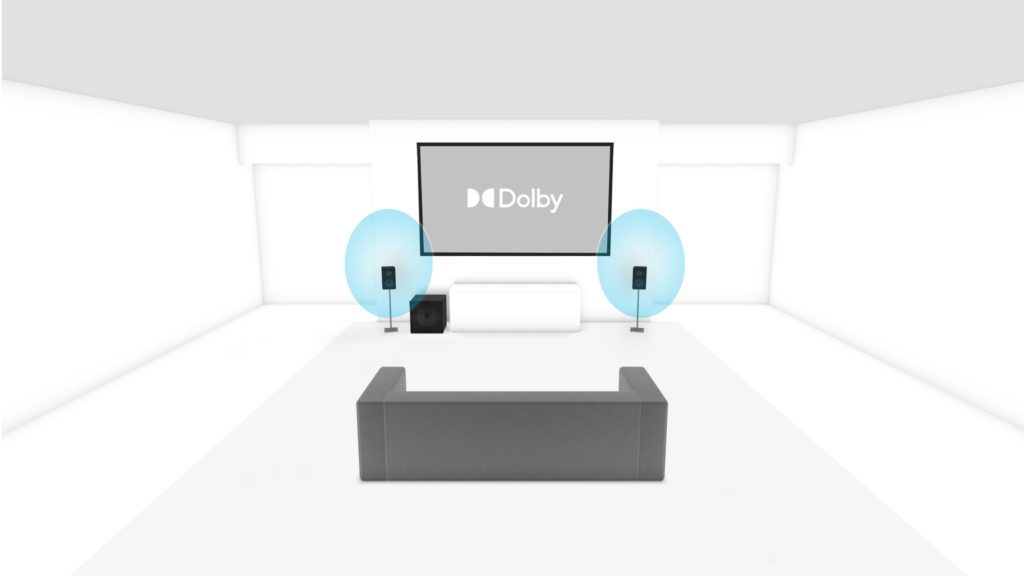
A Dolby Atmos setup can be as simple as 2 speakers and a subwoofer. via dolby.com
More complex setup with 11 speakers around the listener 11.1.8 Dolby Atmos Setup. via dolby.com
A Brief History of Dolby Atmos
Dolby Atmos debuted in 2012 with the premiere of Disney Pixar’s Brave at the Dolby Theatre in Los Angeles. It represented the latest step in a progression from mono, to stereo, to surround sound, to fully immersive 3D audio.
Surround sound began with the 5.1 format: five channels plus a subwoofer (LFE). This was followed by 7.1, which added two more rear channels. Dolby Atmos built on this by introducing 2 to 4 height channels on the ceiling, enabling setups like 5.1.2, 5.1.4, 7.1.2 and 7.1.4.
For years, surround sound and Dolby Atmos were largely confined to cinemas and professional studios. That changed when streaming services and consumer devices began supporting Atmos playback, making immersive audio accessible to anyone with a pair of headphones.
Can I Listen to Dolby Atmos on Headphones?
Yes. For most people, headphones are where they first experience Dolby Atmos Music.
Even with just two ear speakers, immersive audio is possible through binaural rendering. This technique uses algorithms that simulate how sound reaches each ear differently, accounting for direction, distance, and the physical shape of your head. The result is a convincing 3D sound field through ordinary headphones.
Apple’s Personalised Spatial Audio improves on this by using the TrueDepth camera on iPhone to scan your face and ears, generating a custom audio profile tailored to your anatomy. This produces a significantly more realistic spatial experience than generic algorithms.
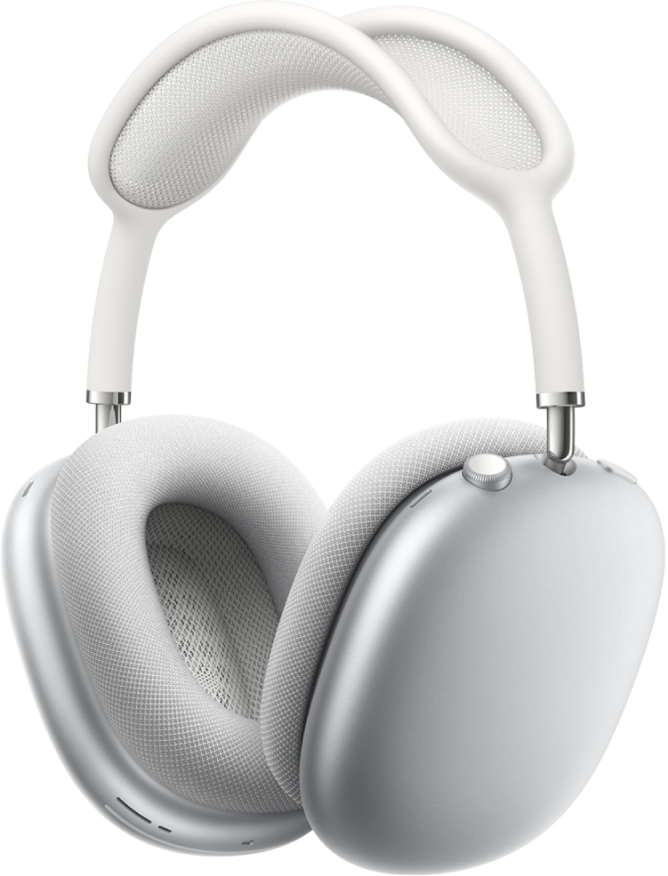
Dynamic head tracking, available on AirPods Pro, AirPods Max and other compatible headphones, monitors your head position and adjusts the audio in real time. Turn your head to the right and the sound field stays anchored in place, just as it would in a real room.
While any headphones can play the binaural version of a Dolby Atmos mix, Spatial Audio-enabled headphones with multiple drivers and head-tracking sensors deliver the most immersive experience.
Where Can You Listen to Dolby Atmos Music?
As of 2026, Dolby Atmos Music is available on these major streaming platforms:
Apple Music has the largest Atmos music catalogue. Over 90% of Apple Music listeners have tried Spatial Audio, and immersive tracks now account for nearly one-third of all plays. 85 of the top 100 Billboard artists released music in Dolby Atmos in the past year. Available on all Apple devices, plus supported third-party headphones.
Amazon Music Unlimited added Dolby Atmos support in 2019. Available on Echo Studio, Fire TV, compatible soundbars and headphones.
TIDAL supports Dolby Atmos and Sony 360 Reality Audio across its HiFi Plus tier.
Spotify does not currently support Dolby Atmos or spatial audio. The company has acknowledged development work on immersive audio features, but no launch date has been announced.
For the best headphone experience, Apple’s AirPods Pro or AirPods Max with Personalised Spatial Audio and head tracking are currently the benchmark. But any headphones connected to a device with Atmos support will work.
Why Mix Your Music in Dolby Atmos?
The ability to experience Dolby Atmos on virtually any device (from headphones to soundbars to car audio systems) makes it an increasingly important format for artists and producers.
Creative freedom. Dolby Atmos gives you a new dimension of sound placement. Instead of fighting for space in a stereo mix, instruments can be separated physically: above, beside, behind the listener, so every element is heard clearly. Busy mixes can breathe. Sparse arrangements can feel enormous.
“It really is the future of music. The format can make your mixes feel cinematic and immersive, almost like you’re watching the story of the song unfold.”
Stefan Du Randt
If you’re ready to take your music into three dimensions, here’s what you need to get started:
What to prepare before your session:
A final, signed-off stereo master. Stereo and Dolby Atmos are separate formats. We use the finished stereo master as a reference to ensure the Atmos mix matches the vibe and loudness of the stereo version. (If you don’t have a stereo mix yet, you can book a “Full Mix” session that includes both stereo and Dolby Atmos.)
Mix stems at 48kHz / 24-bit. Individual stems (drums, bass, vocals, instruments, etc.) give the Atmos engineer the control needed to position sounds accurately in the 3D space.
What to expect:
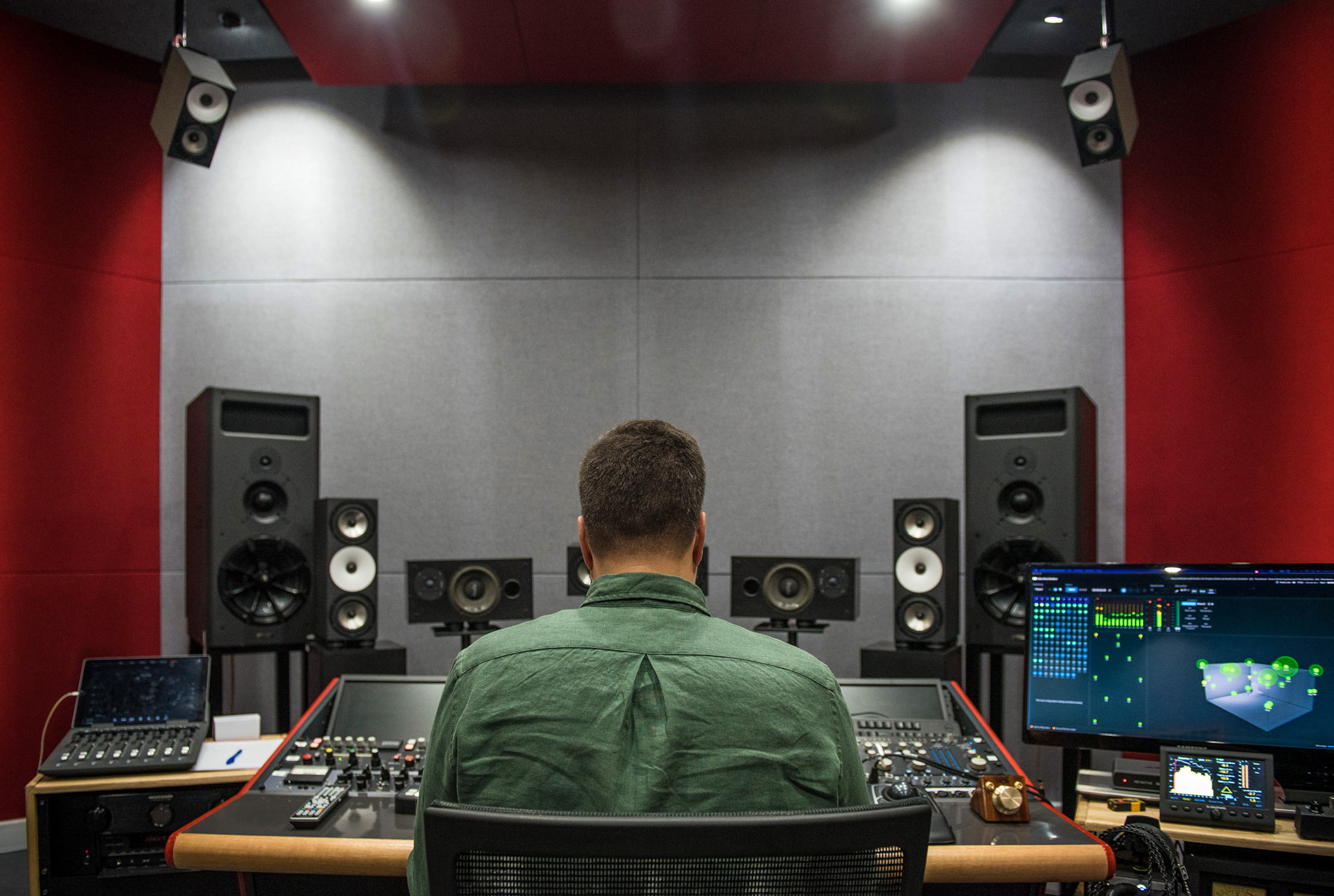
An Atmos mixing session at Studios 301 typically takes a few hours per track for a remix from stems. Most professional Dolby Atmos mixes are created in Pro Tools using the Dolby Atmos Production Suite renderer, or in Logic Pro which has native Spatial Audio tools. The calibrated monitoring environment of a purpose-built Atmos room, where you can physically hear how the mix behaves across a full speaker array, is difficult to replicate at home.
Our engineers have delivered Atmos mixes for major label releases and independent artists alike. The process is the same, and so is the attention to detail.
The final deliverable is a Dolby Atmos ADM BWF file, the master format accepted by all major distributors for streaming on Apple Music, Amazon Music and TIDAL.
One common question: if a listener doesn’t have Atmos support, what do they hear? The Dolby Atmos master automatically generates a stereo downmix for standard playback. Your listeners always get something, and Atmos listeners get something better.
Dolby Atmos isn’t the only immersive format anymore. In January 2025, Google and Samsung introduced Eclipsa Audio, an open-source, royalty-free spatial audio format developed through the Alliance for Open Media. Eclipsa removes the licensing barriers that have made Dolby Atmos production costly, and Google has released free Pro Tools plugins for creating Eclipsa content.
Apple also unveiled its own format, ASAF (Apple Spatial Audio Format), at WWDC 2025, extending its Atmos infrastructure with enhanced head-tracking capabilities.
For artists, this growing ecosystem of spatial audio formats is a strong signal: immersive audio is here to stay, and investing in spatial mixing now positions your music for the future, regardless of which format ultimately dominates.
If you’re wondering what this means for your music right now, the questions below are the ones we hear most from artists, producers and labels.
Frequently Asked Questions
What is Dolby Atmos Music? Dolby Atmos Music is an immersive audio format that allows artists and producers to mix sound in three-dimensional space. Unlike stereo (left/right) or surround sound (a fixed ring of speakers), Dolby Atmos uses object-based audio to position sounds above, below, behind and around the listener.
Can I listen to Dolby Atmos on any headphones? Yes. Any headphones can play the binaural version of a Dolby Atmos mix through a compatible streaming service like Apple Music. For the best experience, headphones with Spatial Audio support and head tracking (such as AirPods Pro or AirPods Max) are recommended.
Does Spotify support Dolby Atmos? As of early 2026, Spotify does not support Dolby Atmos or spatial audio. Atmos Music is available on Apple Music, Amazon Music and TIDAL.
How much does Dolby Atmos mixing cost? At Studios 301, Dolby Atmos mixing is priced per track or per album depending on stem complexity and session length. Contact us for a quote; most single-track Atmos mixes are completed in a single session.
What’s the difference between Dolby Atmos and spatial audio? “Spatial audio” is a broad term for any audio technology that creates a three-dimensional sound experience. Dolby Atmos is one specific spatial audio format, and the most widely adopted for music streaming. Apple Music markets its Dolby Atmos support under the “Spatial Audio” brand.
Do I need a Dolby Atmos mix to release on Apple Music? No. Apple Music accepts stereo releases as standard. However, tracks delivered in Dolby Atmos are eligible for featured Spatial Audio playlists and are increasingly favoured by the algorithm. Having both a stereo master and a Dolby Atmos mix gives you the widest potential reach.
Get Your Music Mixed in Dolby Atmos
Ready to make your music immersive? Studios 301 offers professional Dolby Atmos mixing for artists, producers and labels.
RØDE Microphones ran a session in Studio 1 with Jack Prest for one of their endorsed artists. Jack recorded ‘Battle Ax’ – which is an experimental classical/fusion viola player with the assistance of RØDE microphones and their technicians.
A$AP Twelvyy recorded for 3 days with Tom Garnett from the Warner tenancy room (Studio 8). A$AP was on tour here for a few weeks and brought along Kid Laroi to track vocals on a collaboration.
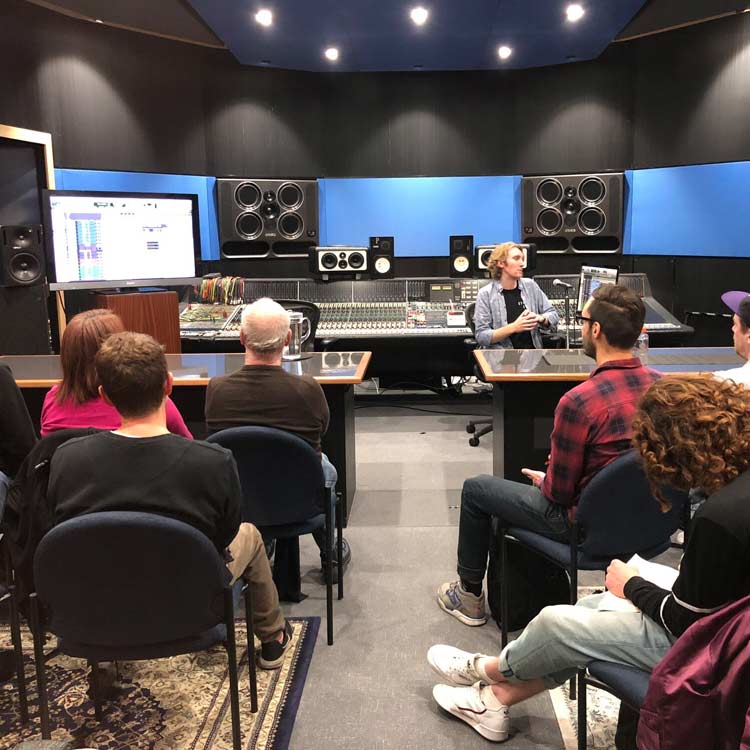
MusicNSW and 301 hosted the Levels Masterclass series in the studios on the 18th of May. This featured 4 x studios with over 50 students working across songwriting, production and mixing techniques with Milan Ring, Mookhi, Sparrows and Rebel Yell.
SIMA and ABC Classics hosted a live album recording for Julien Wilson‘s jazz quartet in Studio 1. There were over 110+ in attendance, with Owen Butcher facilitating a live record and stream to ABC radio.
“Thank you so much for a seamlessly successful event for our Sydney Symphony Vanguard members program. I was so impressed by your professionalism, friendliness and accommodation of all of our requests. The event was well staffed and the team went out of their way to make us feel at home. […] It was a huge honour to hold an event in such an iconic space and we are so grateful for your hospitality at all stages of event planning.”
Leon Zervos has been working on new releases for The Veronicas, Jess Mauboy, Stan Walker, Jungle Giants, Montaigne, Slum Sociable, Cyrus, Sahara Beck, JEFFE, Fergus James and Dawn Avenue (Mexico).
Steve Smart has mastered music for Dean Lewis, Vance Joy, Spookyland, No Frills Twins, Oh Reach, Lakyn, RedHook, Abi Tucker, Danielle Spencer, Dande and the Lion, PLANET, and Ivey.
Andrew Edgson has worked on tracks for The Lulu Raes, The Laurels, Yeevs, Foreign Architects, Merpire, Black Aces, The Paddy Cakes, Noah Dillon, Jack Botts and Fatin Husna (Malaysia).
Ben Feggans has been mastering for Luboku, Oh My My, Emma Hewitt, Love Deluxe, Nick Cunningham and remixes for Alison Wonderland and Owl Eyes.
Congratulations to all of this year’s ARIA nominees, with a special shout out to our incredible clients and their teams that have been nominated including Amy Shark, Esoterik, Adam Eckersley & Brooke McClymont, Jessica Mauboy and Jimmy Barnes. Additional kudos to our Studios 301 team who have worked on their releases.
Our Nominated Clients And Works As Follows:
https://studios301.com/our-work/love-monster/
Apple Music Album Of The Year / Best Female Artist / Best Pop Release Wonderlick Recording Company Mastered by Leon Zervos
https://studios301.com/our-work/my-astral-plane/
Best Urban Release Flight Deck/Mushroom Group Mastered by Leon Zervos
https://studios301.com/our-work/adam-brooke/
Best Country Album Lost Highway Australia / Universal Music Australia Mastered by Leon Zervos “Be like you” and “Awake” vocal engineered by Stefan Du Randt
Best Original Soundtrack or Musical Theatre Cast Album “Texas Girl At the Funeral of Her Father”recorded at Studios 301 Engineered by Owen Butcher, Assistant Engineer Tom Garnett
August was our biggest month this year in the studios!
Katy Perry at Studios 301 Sydney
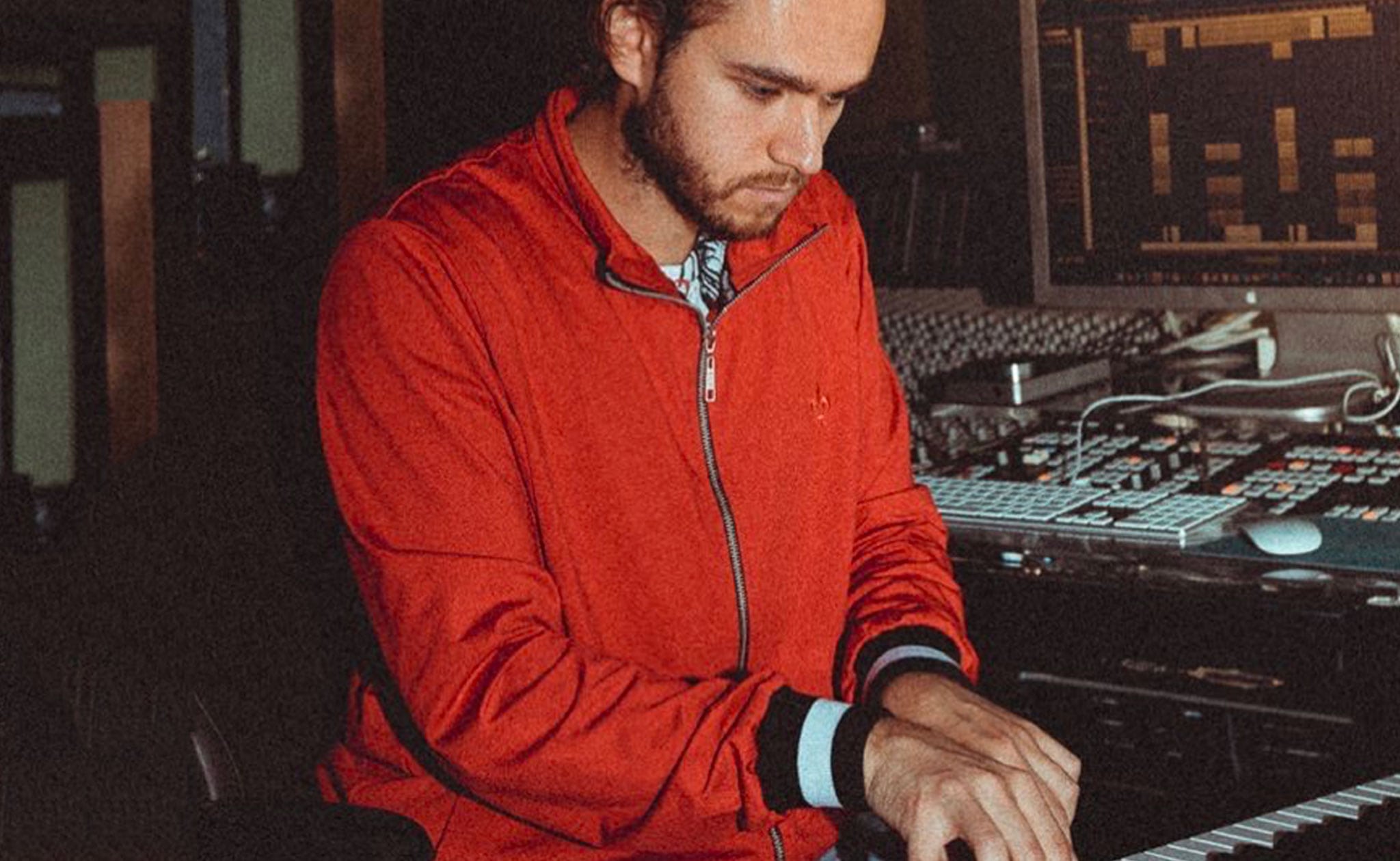
Zedd at Studios 301 Sydney
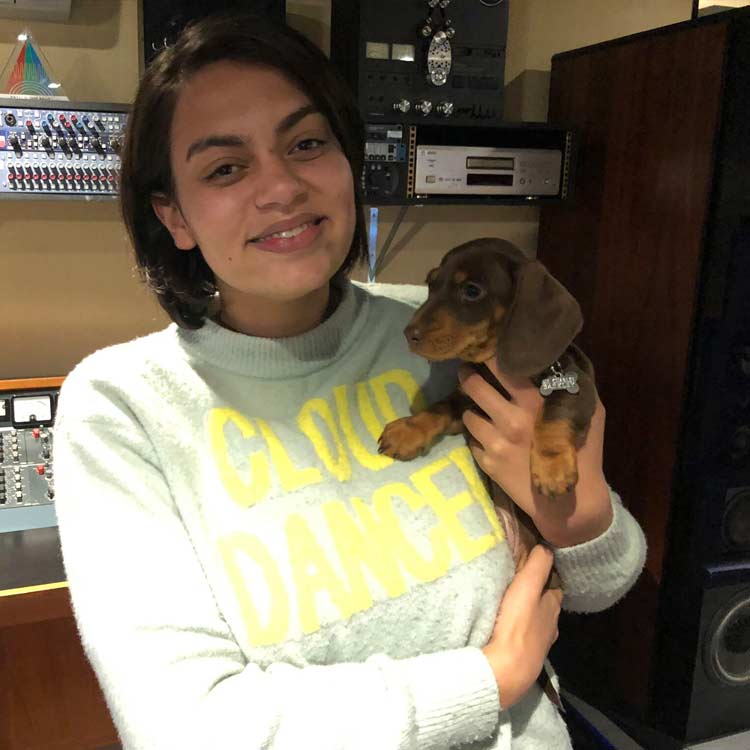
We were visited by global pop sensation Katy Perry and renowned DJ/Producer Zedd on the Australian leg of Katy’s ‘Witness World Tour.’ Katyand Zedd locked out Studios 1 and 2 for 10 days, recording some new material and working with our senior engineer, Simon Cohen and assistant team. Both artists got to hang out with our new studio puppy, what a treat!
While on tour, Katy Perry’s band members Tony Royster Jr & Chris Paytonhit a midnight session with MXXWLL and Deutsch Duke. Our engineers Stefan Du Randt and Jack Garzonio say it’s one of the best sessions they’ve ever been a part of.
US R&B artist Pleasure P (Pretty Ricky) hit the studio with producer Willstah to work on music for the upcoming season of VH1 TV series Love & Hip Hop.
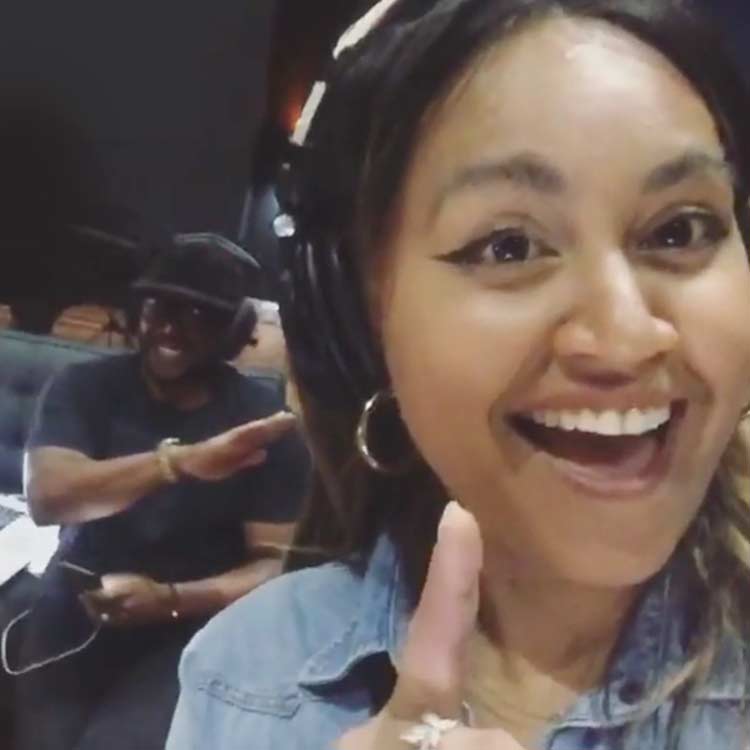
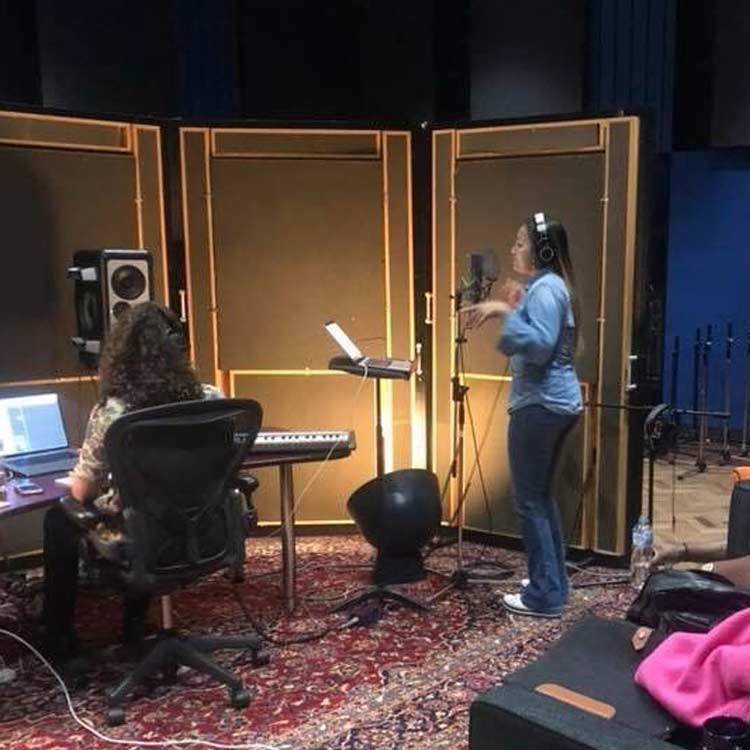
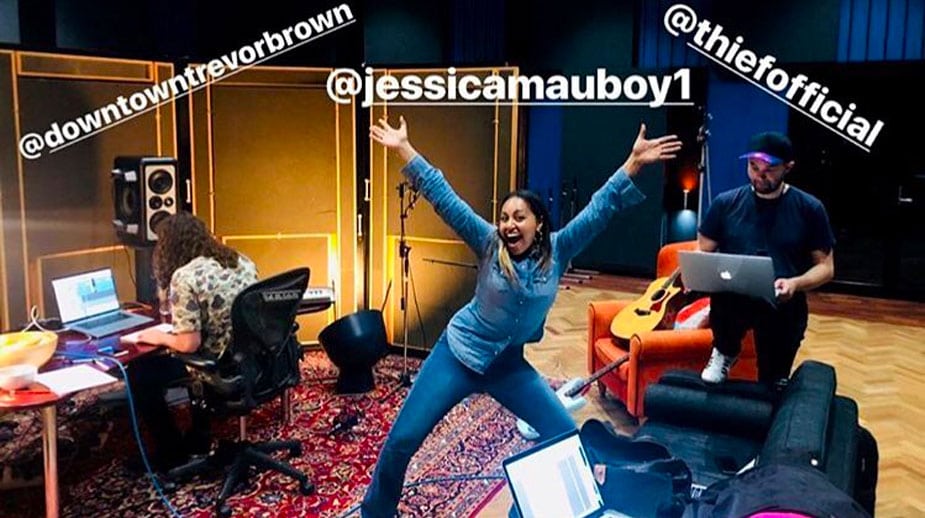
Guy Sebastian and Jess Mauboy hung out in the studio with over 10 local and international songwriters and producers for a 4 day writing camp. Other writers and artists included Graace, The Orphanage, Thief, Tushar and JOY.
Jess Mauboy
Delta Goodrem with studio puppy @sircharlesbarkley_
Australian songstress Delta Goodrem locked out our flagship room studio 1 for 3 days, bringing her whole band for a jam session! Delta invited some lucky fans to come and watch her rehearse in the studio, and laid down some tracks for a new release with our engineer Stefan Du Randt.
David Campbell and Chong Lim have been busy recording a project with our very own engineer, Jack Prest. Stay tuned for more updates on this new project.
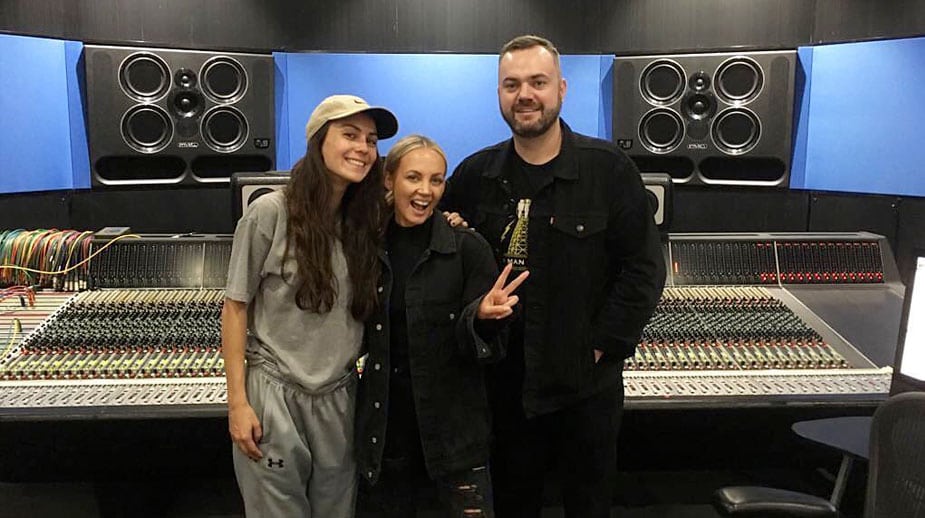
ARIA Award Winning singer-songwriters Amy Shark and Samantha Jade spent the day writing and collaborating in Studio 1, with the help of our engineer Jack Garzonio.
Leon Zervos mastered Amy’s most recent album ‘Love Monster’ which debuted at #1 on the ARIA charts.
Amy Shark and Samantha Jade
Masterclasses
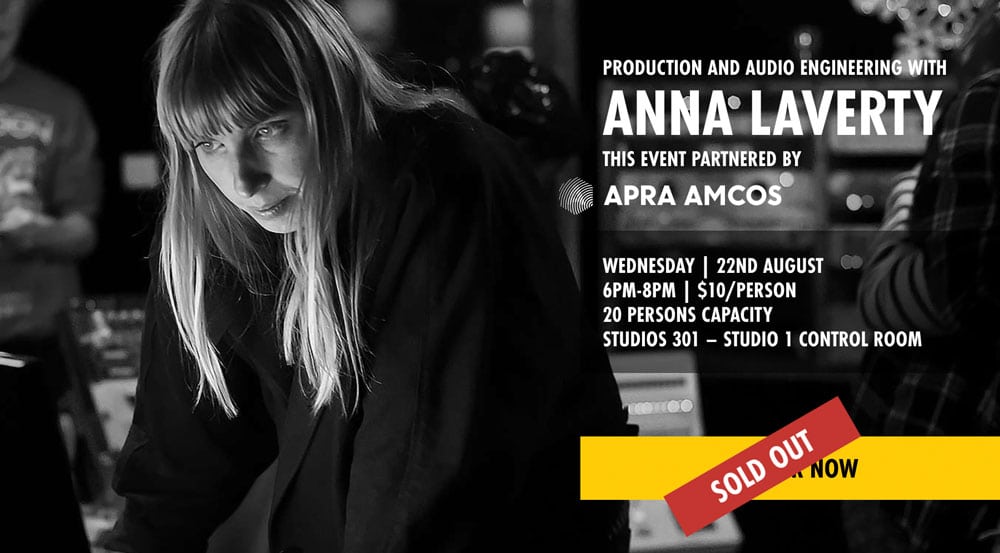
Anna Laverty Masterclass
August saw the launch of our masterclass brand with two great sessions. Anna Laverty and Simon Cohen ran masterclasses on production and mixing, both of which sold out within days. We had a huge waiting list of applicants eager to attend, so due to popular demand we will be running a series of future masterclasses.
Steve Smart mastered soundtracks for the original animated Netflix series Beat Bugs 2 and Motown Magic, featuring music from The Beatles & Motown catalogue. He also mastered live albums for Gang of Youths MTV Unplugged, and Paul Kelly Live at the Opera House.
Leon Zervos has been working on releases for Starley (Central Station Records), GLADES (Warner), Owl Eyes (Liberation), ALTA (Soothsayer), Harper Finn (NZ) and Cyrus (Sony).
Andrew Edgson mastered music for The Kite String Tangle (Warner) and Thelma Plum (Warner)
Ben Feggans worked on tracks for SAATSUMA (Grenadilla Sounds) and Jordi Ireland (Casablanca Records).